
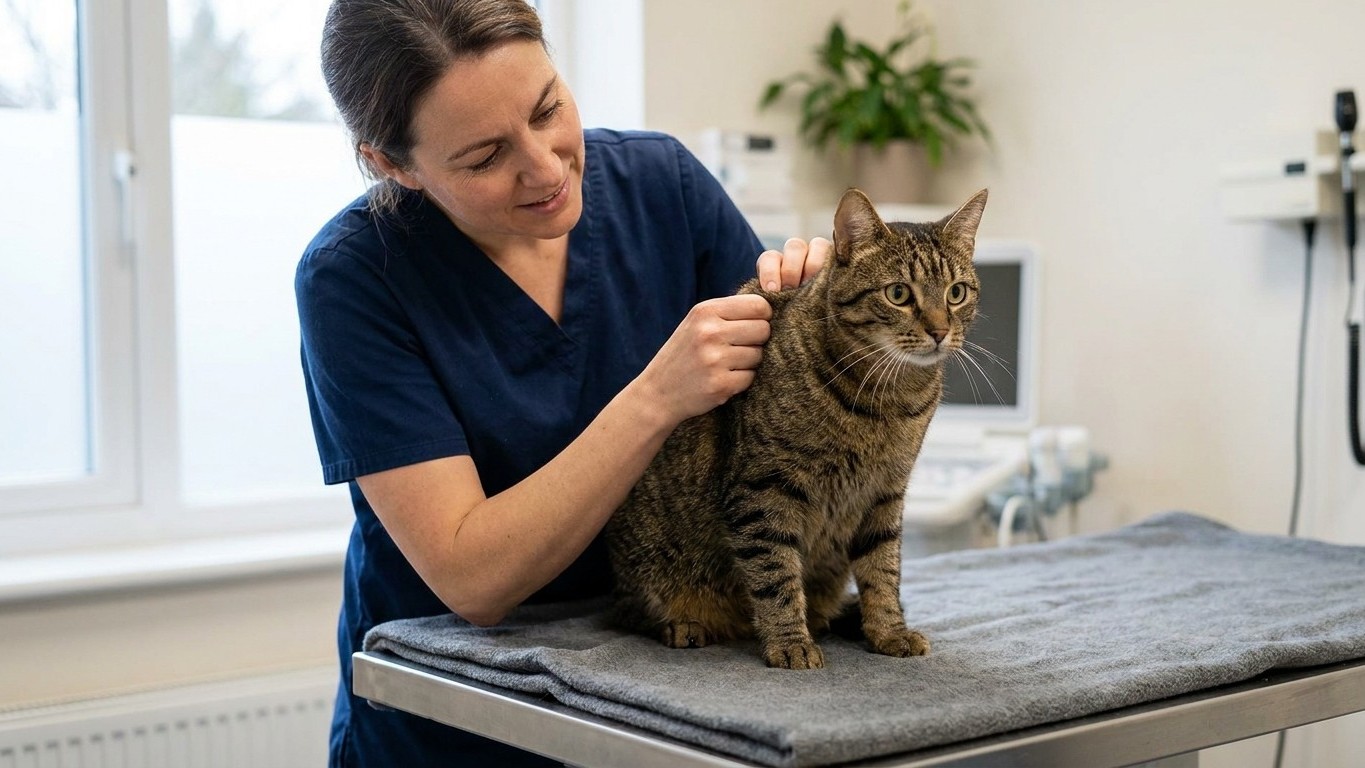
Food in the bowl. Water in the bowl. Cat flap unlocked. Job done. That’s the logic Most Cat Owners follow when leaving for a summer holiday, and honestly, it’s easy to see why. Cats have a reputation for independence, after all. But the logic falls apart the moment your vet examines your cat on return day and starts asking questions you don’t have answers to. Seven days without supervision, it turns out, is a very long time in a cat’s world.
Key takeaways
- A vet discovered something troubling during a routine exam after the owner returned from holiday
- Cats are masters at hiding illness, and a week alone means no one watching for dangerous warning signs
- The ‘independent cat’ myth is scientifically debunked—and it could cost your cat’s life
What a bowl of water can’t do
A growing body of veterinary and behavioural research is challenging the long-standing perception that cats are entirely self-sufficient animals. While they do have strong independent behaviours, experts now emphasise that their tolerance for solitude is more limited than commonly assumed, and that prolonged isolation can have measurable effects on both physical and psychological well-being.
The hydration issue is subtler than most people realise. Leaving a large bowl of water is not enough, and if your cat eats primarily dry kibble, you were already starting from a deficit. Cats evolved from desert-dwelling ancestors that got most of their moisture from prey, not water sources. Many cats on dry food simply do not feel thirsty enough to compensate. Dry kibble contains only about 10% moisture, while wet food is around 70–80% water. During summer, this difference becomes even more significant.
Then there’s the problem of freshness. Water left out for days becomes stale, and cats are sensitive to smell and taste, stale water is often the reason they turn their nose up at the bowl entirely. A full bowl, standing unrefreshed for a week in a warm flat, is not the same thing as a bowl of fresh water. Your cat may have been avoiding it for days. Higher temperatures increase evaporation from the cat’s body through panting and grooming, and cats may not drink enough to compensate for this increased fluid loss.
What the vet found, and why you missed it
The problem with cats is that they are consummate stoics. Cats are experts at hiding discomfort, which makes it essential to look closely for dehydration symptoms. At the vet, a physical exam can reveal things invisible to the untrained eye: clinical signs like sunken eyes, dry gums, and poor skin elasticity, as well as specialised hydration tests such as capillary refill time. There is also the simple skin-tent test, gently taking a small portion of your cat’s skin around their shoulders, pulling it up, then letting go. If your cat is hydrated, the skin will snap back into place quickly; if it falls back slowly, your cat could be dehydrated.
But dehydration is only part of the picture. The risks associated with leaving a cat alone too long include delayed recognition of medical emergencies or sudden illness, boredom, loneliness, and long-term anxiety related to social isolation. Even young, healthy cats can develop medical problems when left alone, and delayed treatment may worsen the outcome. The litter box, normally your daily early-warning system, had been unmonitored all week. Changes in urination frequency, smaller, more frequent clumps, or the complete absence of clumps — can signal urinary blockage, a life-threatening emergency in cats that can escalate within hours. Your cat will never tell you they are in pain. As experts at masking illness, cats often suffer in silence. This makes spotting early signs of kidney disease or feline lower urinary tract disease incredibly difficult.
Heat stress is another risk that catches owners off guard. Cats have a very limited ability to sweat, so instead they control their temperature by licking themselves and seeking shade on warm days. Most cases of heatstroke develop after being accidentally shut in a hot place such as a shed, greenhouse, conservatory, garage, or car. A conservatory that’s perfectly pleasant on a cool April morning can become lethal by midday in July. Heatstroke can progress from mild discomfort to a dangerous emergency within 20–30 minutes, and organ damage begins when a cat’s temperature exceeds 104°F (40°C). No one was home to notice, and no one was there to open a window.
What needs to change before your next holiday
You should not leave a cat alone for a week without daily care and supervision. Even if you provide enough food and water, cats can become sick, stressed, bored, or lonely when left alone for several days. If you need to be away for more than 24 hours, arrange for a trusted pet sitter, family member, or caregiver to check on your cat regularly. This isn’t just about keeping the bowl topped up. A daily visitor can scoop the litter box (a vital health check in itself), notice if your cat is hiding or off their food, and ensure the flat hasn’t turned into a greenhouse.
On the food and water front, there are straightforward improvements. A water fountain for cats encourages more drinking, many cats prefer fresh, recirculating water, and some owners find this makes a drastic difference in how much their cat drinks. Placing bowls of frozen water alongside regular water bowls can help — the frozen water melts throughout the day and stays cooler than unfrozen water. The room temperature matters too. Cats like to sleep in warm places such as conservatories, greenhouses, or sheds. Being accidentally trapped in very hot areas with little air circulation, especially in summer, increases the risk of overheating. Before you leave, check every room, and lock the conservatory door.
Research from Oregon State University suggests that a majority of domestic cats form secure attachments to their caregivers, with patterns of bonding comparable in some cases to those seen in dogs and human infants. The idea of the cold, indifferent cat who barely notices you’ve gone is, scientifically speaking, a myth. Research published in PLOS One has linked separation-related stress in cats to behavioural changes including inappropriate elimination, increased vocalisation, and destructive activity. A cat left entirely alone for a week may not claw the sofa, but she may stop eating properly, drink less, or develop a stress-related urinary flare-up with no one to spot it.
What the vet appointment actually taught us
The real lesson wasn’t just about water bowls and heat. It was about observation. Daily contact with your cat is not sentimental excess, it’s how you build a baseline understanding of what “normal” looks like for that particular animal. A vet can assess your cat in a ten-minute appointment, but they’re working from a snapshot. You’re the one with the ongoing data: the usual amount of food left in the bowl, the normal texture of what’s in the litter tray, the standard route from the sofa to the sunny patch by the window. Take that away for a week, and nobody is watching.
If you suspect your cat is dehydrated or unwell after a period of time alone, always consult your vet promptly rather than waiting to see if they “pick up.” Sometimes cat dehydration is a symptom of an undiagnosed medical issue. Conditions such as diabetes, hyperthyroidism, or gastrointestinal disease can alter a cat’s metabolism and water balance. Recognising dehydration early often helps veterinarians uncover these hidden problems before they become severe. What looks like a tired cat who missed you might be something that needs blood tests before the end of the week.
One thing worth knowing: cats sweat through their paw pads to regulate their body temperature, so you might occasionally see evidence of that if your cat leaves behind damp footprints, this can also happen in stressed cats. Damp paw prints on the kitchen floor after a week away are not a quirky welcome-home moment. They’re a reason to ring the vet.
Sources : philaplace.org | acommnder.com