
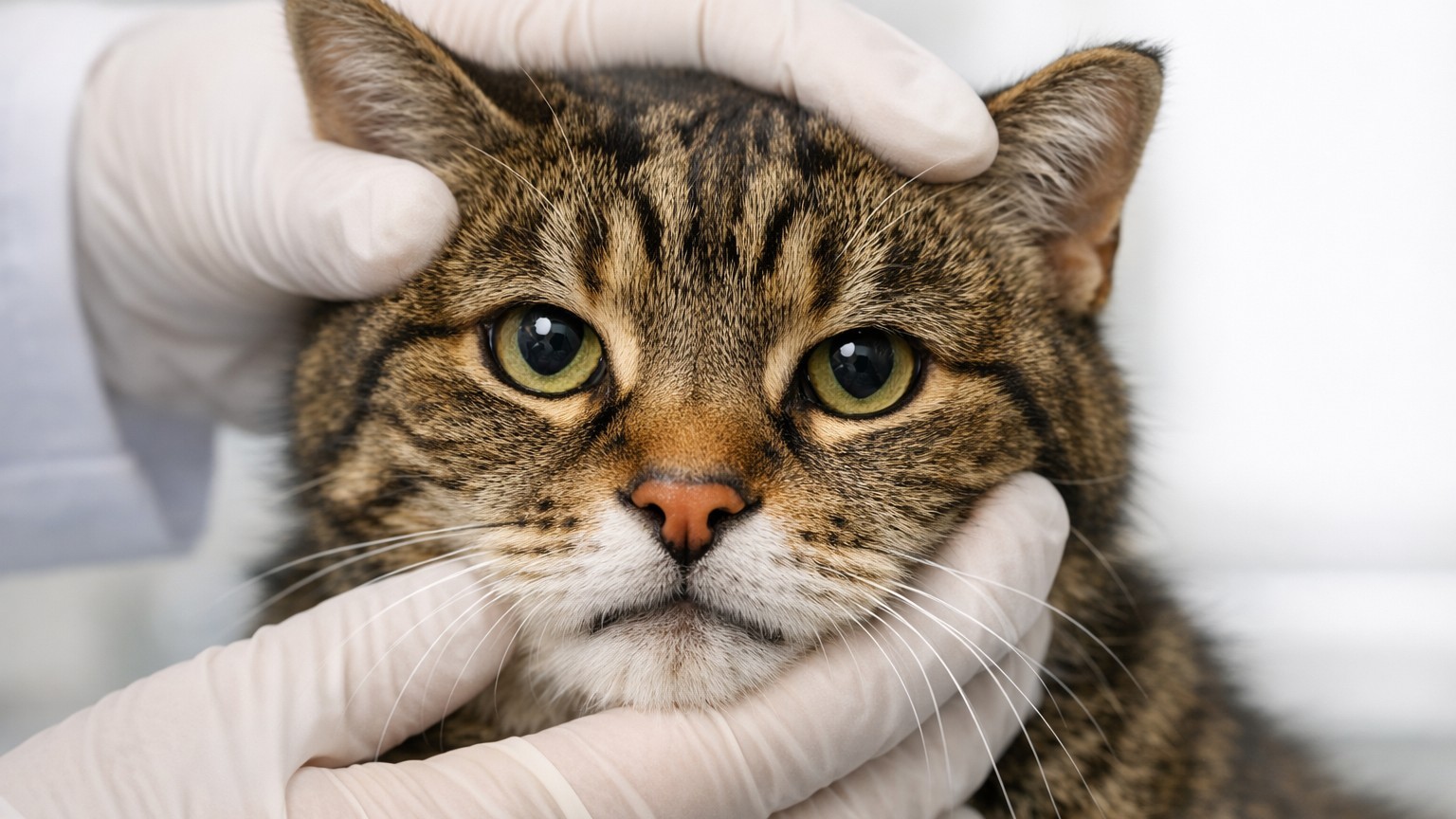
Cats are masters at hiding illness. They evolved as both predators and prey, which means showing weakness was never in their survival playbook. So when your cat starts pressing against you more than usual, following you from room to room, or vocalising at 2am, it’s easy to feel flattered. But that sudden surge in clinginess could be your cat’s way of telling you something is wrong, and knowing the difference between genuine affection and a cry for help might be the most important thing you ever learn as a cat owner.
Key takeaways
- That sudden surge in clinginess might not be about bonding—it could be your cat’s way of signaling pain or illness
- Cats are masters at hiding disease, meaning a dramatic personality shift is rarely innocent
- One specific behavior looks like love but is actually a medical emergency that needs immediate vet attention
What “affectionate” behaviour actually means
Cats have a genuinely rich vocabulary of loving gestures. Bunting, where a Cat Presses Their head or cheeks against you, is a form of rubbing that often includes nuzzling or headbutting; cats have scent glands on their cheeks, forehead, and chin, and when they bunt, they release pheromones that mark their territory. Far from being an ownership claim, this is a compliment. Bunting is a sign of trust and affection, and when cats bunt their owners, they are reinforcing their bond and expressing a sense of belonging.
Kneading, too, has roots that go deeper than a simple desire to sit on your lap. This behaviour originates from kittenhood, when nursing kittens instinctively knead their mother’s bellies to stimulate milk flow. When a cat kneads their owner, it can be a sign of trust and affection; this behaviour demonstrates that the cat feels safe and comfortable in the presence of their human companion. Slow blinking, similarly, is a deliberate signal. Slow blinking is one of the clearest signs your cat feels relaxed and safe around you; when a cat slowly closes and opens their eyes in your presence, it is a signal of trust.
The thing is, all of this is completely normal, and most of the time, a cuddly cat is simply a happy cat. Cats can be affectionate and cuddly toward the people they’re bonded to; through experience, cats learn that being close to their humans feels good, as being petted, given a treat, or even just talked to brings pleasure. The trouble starts when the behaviour changes.
When “affectionate” is a red flag
Changes in affection can be linked to pain, illness, stress, or environmental changes; cats are experts at masking discomfort, so shifts in behaviour may be an early signal that something isn’t right. A cat that has always been independent and suddenly becomes clingy, vocal, and restless is not simply having a sentimental week. A sudden shift in behaviour might warrant some extra attention, as cats may seek comfort when they feel unwell or anxious; you should observe your cat for any signs of illness, such as changes in appetite, litter box habits, or energy levels.
One of the most striking examples of this is feline hyperthyroidism. A sudden increase in affectionate behaviours, such as vocalisation or asking for attention, are reasons to take your cat to the vet for an exam; some cats that develop hyperthyroidism become more active and affectionate. This is a condition that primarily affects older cats, and the statistics are sobering. Nearly 10% of cats develop the disease, making it the most common endocrine disease in cats, with affected cats usually over the age of 10. The most common clinical signs of hyperthyroidism are weight loss, increased appetite, and increased thirst and urination; hyperthyroidism may also cause vomiting, diarrhoea, and hyperactivity. So if your older cat seems suddenly energetic, chatty, hungry all the time, and a little more needy than usual, that combination deserves a vet visit, not just a warm smile.
Diabetes is another condition that can masquerade as affection. Cats that initially develop diabetes mellitus may be more Affectionate and vocal because they are hungry all the time and are not getting the energy they need from their diet. Cognitive dysfunction, the feline equivalent of dementia, can also pull cats toward their owners for entirely different reasons. Dementia and other brain-related illnesses can cause clinginess; your cat may be unable to find their way around the house, so they may follow you around.
The behaviour that looks like love but is an emergency
There is one behaviour in particular that cat owners genuinely need to know about, because it can be fatally easy to misread. Head pressing looks, at first glance, a bit like enthusiastic bunting. Your cat seems to be leaning into walls or furniture. But there is a world of difference between the two. In bunting, the head press is fleeting, the cat is aware of their surroundings, and they appear to enjoy the activity. Head pressing is the opposite. Head pressing means a cat repeatedly pushes the top or front of the head against a wall, floor, furniture, or another firm surface for no normal reason. A cat that is head pressing usually looks uncomfortable, mentally dull, disoriented, or otherwise unwell; it is considered a neurological warning sign until proven otherwise.
Head pressing can happen when the brain is affected directly or when a disease elsewhere in the body changes brain function; problems linked with this sign include brain inflammation, trauma, toxins, liver disease with hepatic encephalopathy, severe metabolic disturbances, and brain tumours. This is not a “wait and see” situation. Unlike the affectionate head butting many cat owners are familiar with, head pressing is a critical warning sign that requires immediate veterinary attention.
The purr deserves its own note of caution, too. Most of us associate purring with contentment, and often it is. But cats also purr to self-soothe when in pain; if purring is paired with lethargy, hiding, or a loss of appetite, you should visit your vet immediately. Cats are, in the most loving possible sense, unreliable narrators of their own wellbeing.
What to actually watch for
The golden rule is context and change. A cat that has always been affectionate and remains affectionate is almost certainly fine. If your cat is suddenly affectionate, you may be a bit suspicious as to Why Your Cat Won’t leave your side; any little change in your cat’s behaviour can signal an underlying cause, and there may be a reason for your suspicion. The key signals worth paying attention to, alongside a sudden uptick in clinginess, are changes in drinking habits, weight loss despite a good appetite, increased vocalisation especially at night, changes in litter box use, and any sign of disorientation.
If changes are sudden, persistent, or paired with other signs like changes in appetite, litter box habits, or energy level, a veterinary check is a smart next step. Always consult your vet if you notice a meaningful shift in your cat’s behaviour, rather than waiting to see if it resolves. Early diagnosis genuinely matters. Early symptoms of hyperthyroidism are mild, and the disease may progress over many months or years, making the signs easy to miss.
One last thing worth knowing: scientific studies confirm that cats form deep attachment bonds with their human caregivers, bonds that mirror the secure attachment observed between human infants and their parents. Your cat’s affection is real. But precisely because they trust you so completely, the best thing you can offer in return is the ability to tell the difference between “I love you” and “I need help.”
Sources : petscare.com | dialavet.com