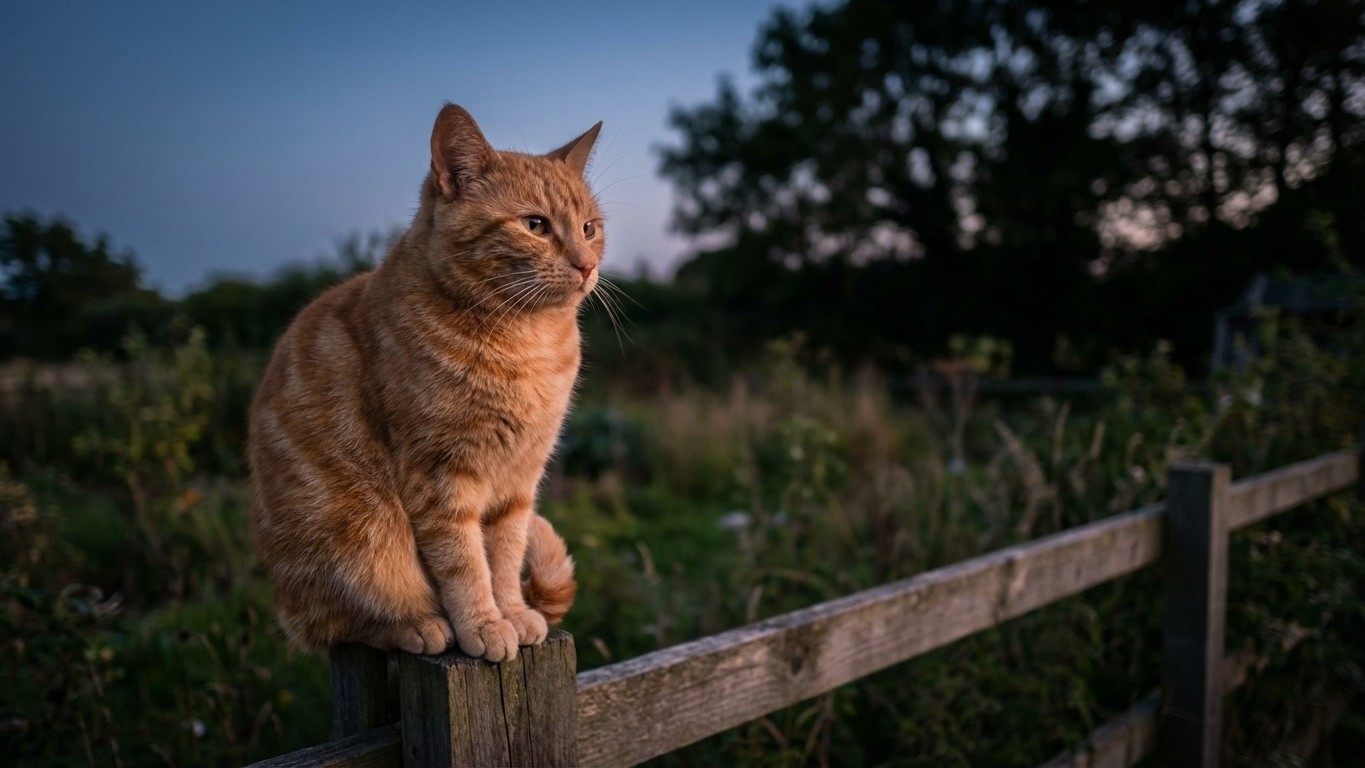
Why Cats Eat Grass: Scientists Finally Solve the 12-Year Mystery of Feline Plant Behavior

Why Cats Eat Grass: Scientists Finally Solve the 12-Year Mystery of Feline Plant Behavior
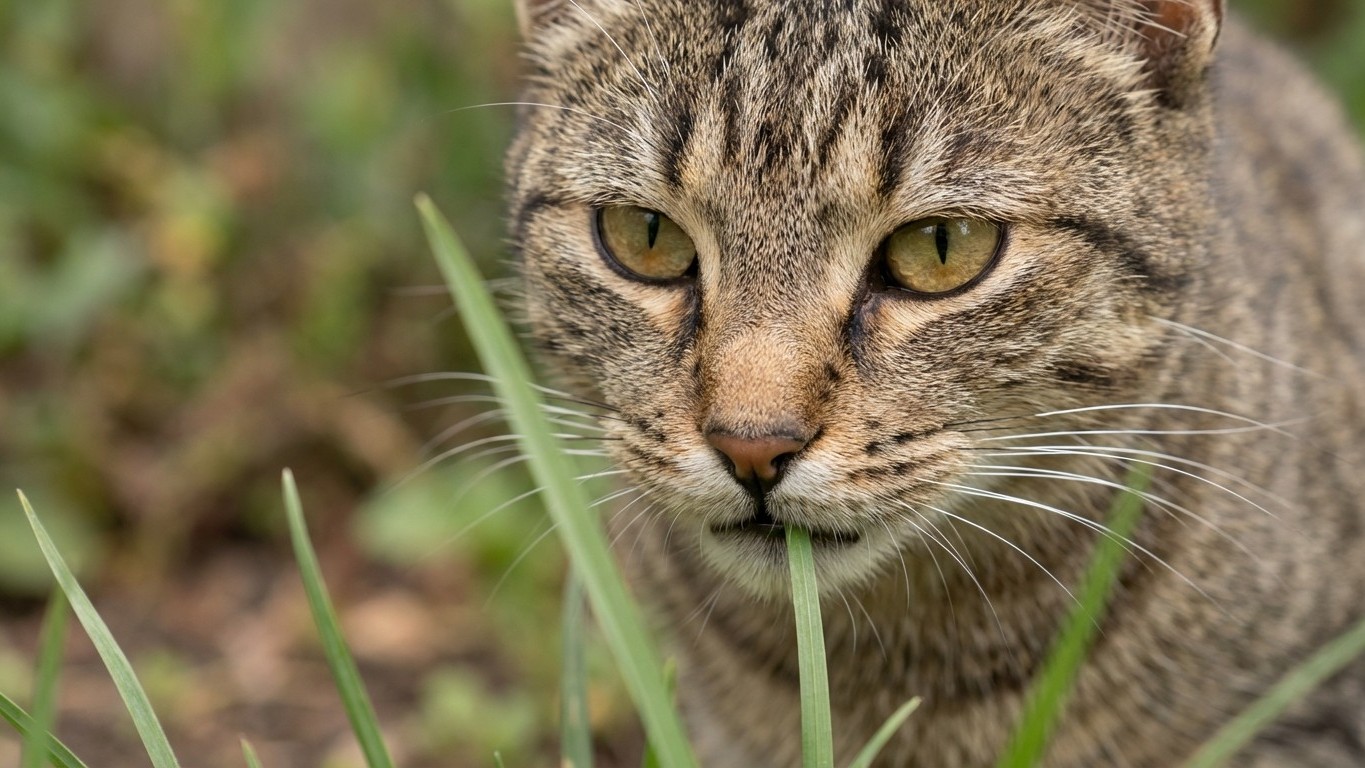
For over a decade, researchers have been studying why cats eat grass, and the answer is far more fascinating than an upset stomach. New evidence suggests cats are performing an ancient, hardwired behavior passed down through millions of years of evolution—one that may serve multiple purposes from parasite control to hairball management.
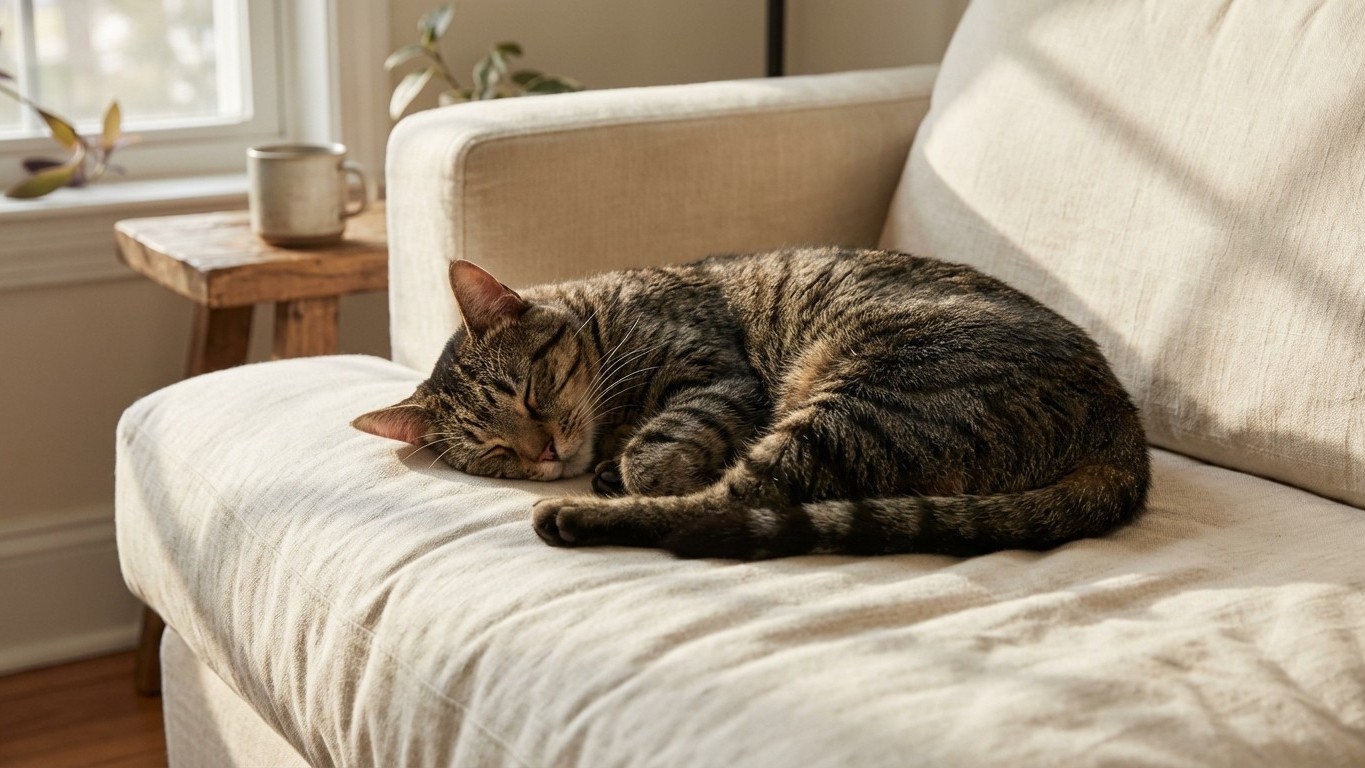
Your Cat’s Nighttime Behaviour Could Signal a Hidden Health Problem — Vets Explain the Warning Signs

Your Cat's Nighttime Behaviour Could Signal a Hidden Health Problem — Vets Explain the Warning Signs

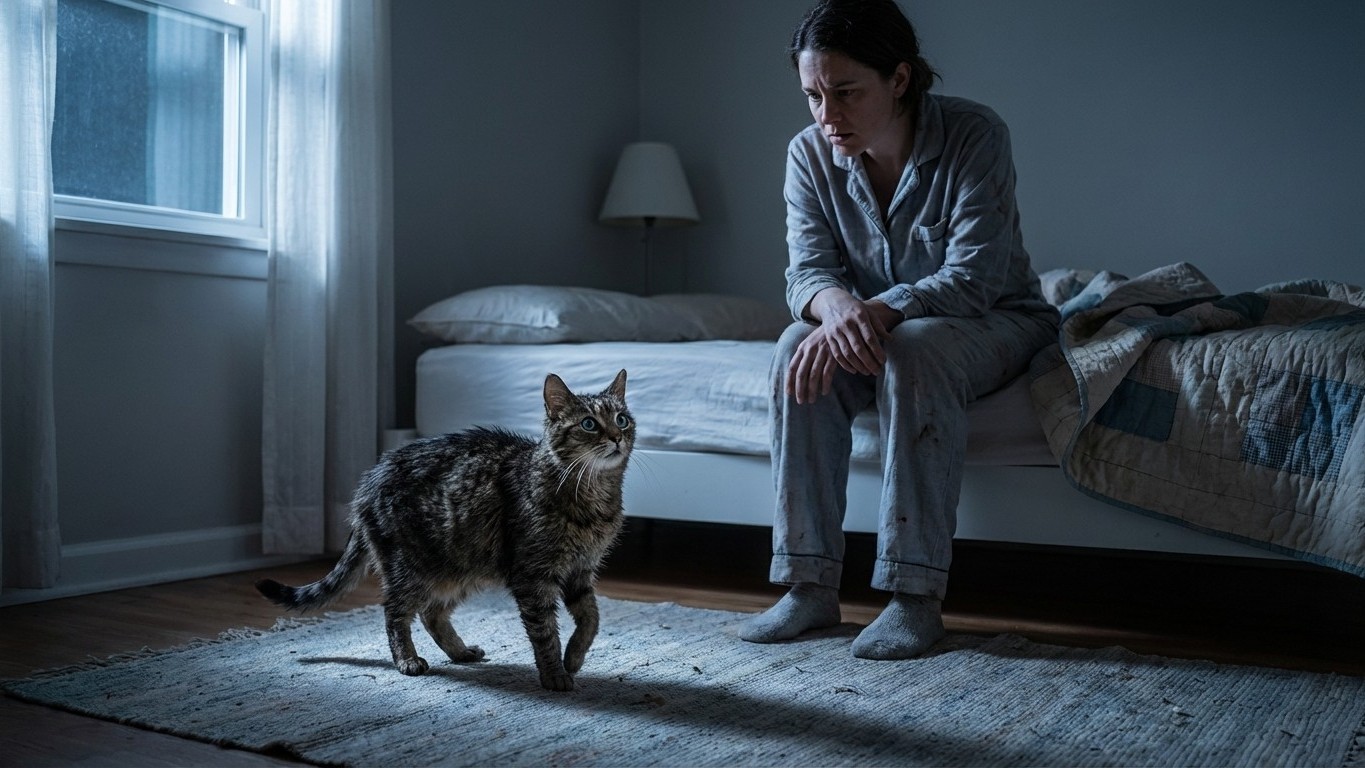
That 3am yowling and frantic pacing might seem like typical feline eccentricity, but veterinarians warn these nighttime behaviors can signal serious health issues ranging from cognitive dysfunction to hyperthyroidism. Understanding the difference between normal cat quirks and genuine distress could be crucial for your pet’s wellbeing.

Stop Waking Your Cat in the Morning — Here’s Why It’s Damaging Their Health

Stop Waking Your Cat in the Morning — Here's Why It's Damaging Their Health

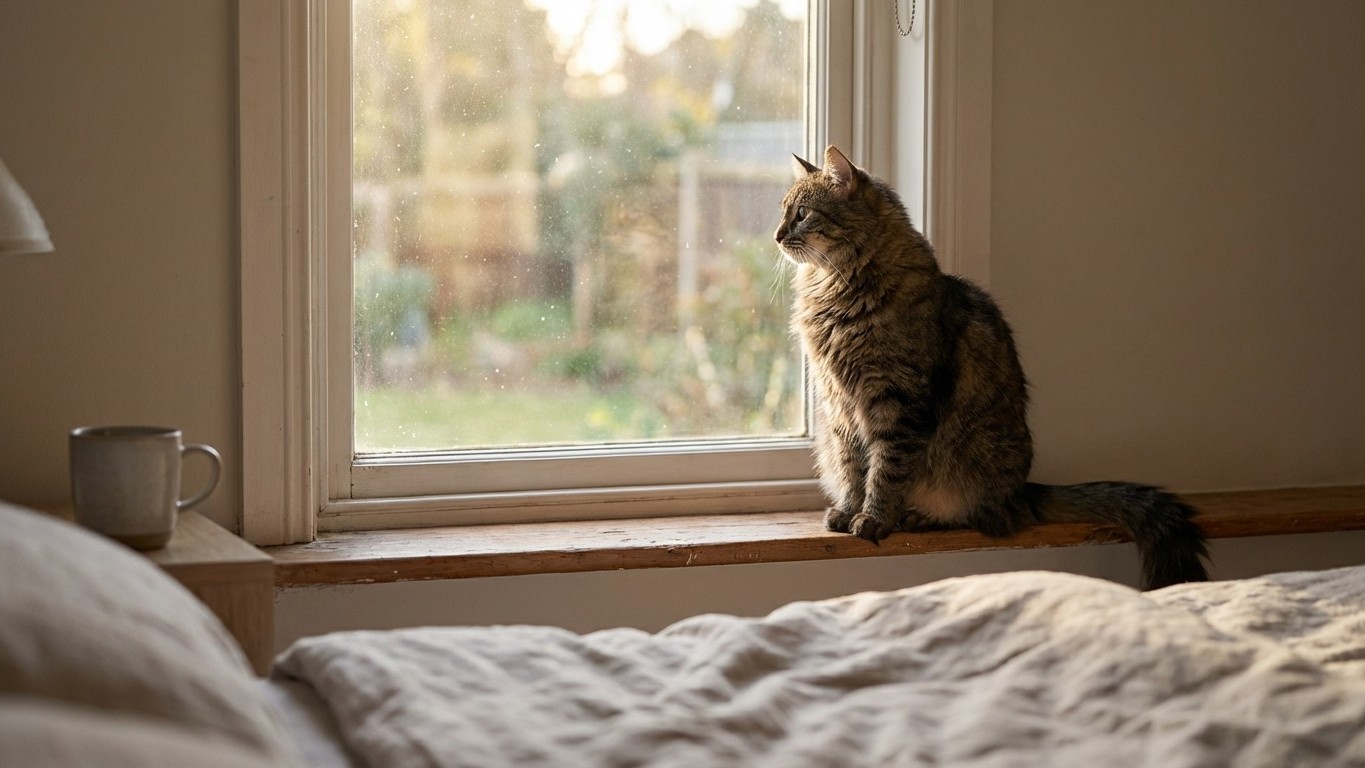
That sweet morning greeting with your sleeping cat might feel like bonding, but it’s actually disrupting their natural sleep patterns in ways that cause lasting stress. Cats need 12-16 hours of uninterrupted sleep daily, and waking them during dawn — their deepest rest window — can trigger behavioral problems you might not connect to sleep deprivation.