
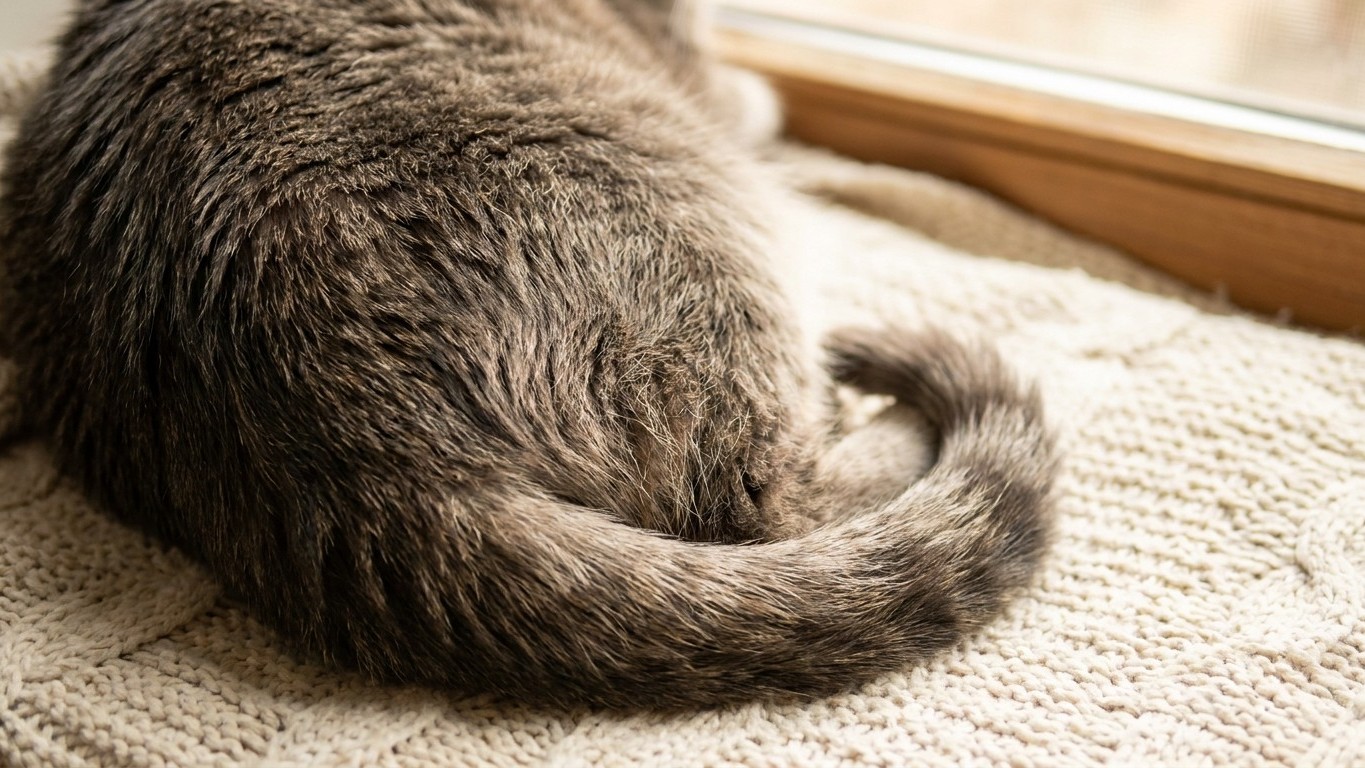
Sponging away a soiled bottom and letting your cat dry off in a sunny spot sounds like textbook kindness. It’s the sort of thing any devoted owner would do for an elderly cat who can no longer groom herself properly. But that patch of warm, faintly damp fur is exactly what a blowfly is hunting for, and within a day the vet found something already burrowing beneath the skin: fly eggs hatching into maggots, the start of a condition called flystrike.
Flystrike, medically known as myiasis, is one of the nastiest surprises in pet ownership because it moves so fast. It’s a painful and sometimes fatal condition caused by flies laying their eggs on another animal, which hatch into maggots that eat the flesh of their hosts. The whole process can unfold with terrifying speed. Flystrike can happen in a matter of hours and can quickly lead to toxic shock and death. Most people associate it with rabbits sat in dirty hutches, but cats, dogs, guinea pigs and even farm animals are all vulnerable, and warm weather is the trigger every time. Fly strike is a major welfare problem that occurs mainly during warm weather, and in the UK animals are particularly at risk between April and October when the weather is warmer.
Key takeaways
- A single act of kindness revealed a hidden threat that develops faster than most owners realize
- Warm fur + moisture + organic matter = a blowfly’s perfect breeding ground
- The warning signs are deceptively subtle—and the clock starts ticking in hours, not days
Why an elderly cat’s bottom is prime fly real estate
Flies aren’t fussy about their host, but they are extremely fussy about the conditions. A blowfly is drawn to dampness, warmth and the faint whiff of soiling, which is precisely the combination created by sponging a dirty area and then leaving it to air-dry in the sun rather than towel-drying it properly. Pets with dirty rear ends or generally dirty fur are particularly at risk of flystrike. Older cats are disproportionately affected because arthritis, stiffness or reduced flexibility stop them twisting round to clean themselves the way a younger cat would, and any weight gain or dental pain compounds the problem further.
The Royal Veterinary College is blunt about who ends up on the receiving end of this. Animals with dirty or soiled back ends or open wounds are most at risk from flystrike. That list includes any unwell or poorly animal who is not able to perform normal behaviour such as moving away from urine or faeces, which covers exactly the sort of frail, elderly cat many of us are caring for. What’s genuinely startling is that hygiene alone isn’t a guarantee of safety. Even clean, well-kept animals can get fly-strike. It only takes one fly, and one area of soiled fur, fleece or damaged skin. A single blowfly, drawn in by a whiff of ammonia on a warm afternoon, can lay dozens of eggs in the time it takes to make a cup of tea.
Once those eggs are laid, the clock starts ticking in a way most owners never expect. Flystrike develops particularly in the warmer months when flies lay eggs on your animal’s fur, and these then hatch into maggots and begin to eat your pets’ flesh. The maggots aren’t immediately vicious either, which is almost worse because it buys the infestation time to establish itself unnoticed. At first the maggots will eat dead skin or debris but when that has run out, they then begin feeding on healthy skin, which as well as being painful can quickly lead to infection, toxic shock and even death.
Spotting the warning signs before they take hold
Fly eggs are deceptively easy to mistake for something harmless. Fly eggs have the appearance of tiny grains of rice. If you spot anything resembling that clustered in damp fur, don’t wait to see what develops. Gently pick off all maggots or eggs you can see straight away, then get your cat to a vet without delay. Beyond visible eggs or maggots, watch for a cat becoming unusually agitated, biting or grooming obsessively at one spot, or giving off a foul smell that wasn’t there before, all classic signs the skin underneath is already compromised.
The Merck Veterinary Manual notes that affected cats often have raised, red sores at or near the strike site, and that the fur itself tells a story before the wound does. Matted hair coats contaminated with faeces attract these flies, and eggs laid in contaminated hair coats produce maggots that move rapidly to any infected wound. This is why a daily hands-on check matters so much more than a quick visual glance, particularly through the fur around the tail base where damage hides easily. The RSPCA recommends exactly this approach for at-risk pets during warmer months. In warm weather, check your pet all over their body, especially around their rear end and tail area, at least twice a day.
Treatment isn’t a quick fix, and prevention beats cure every time
Once flystrike is confirmed, vets don’t simply wipe the area clean and send you home. Initial treatment may well involve your pet being anaesthetised in order to remove maggots, larvae and any dead skin painlessly, with fur clipped around the affected area and wounds cleaned thoroughly with an antiseptic or antibiotic solution. Because eggs don’t all hatch at once, a single treatment session often isn’t enough. The lesion should be examined on successive days, as adult flies lay eggs in the wound at different times and hatching of larvae may not be synchronous. Many owners find themselves back at the vet two or three times over a week, checking for fresh larvae each visit, which is exhausting for everyone involved, cat included.
None of this is meant to frighten anyone away from cleaning a soiled cat. That instinct is right, and abandoning basic hygiene would create its own risks. The fix is simple: dry the area thoroughly with a towel rather than relying on sunshine, keep the fur trimmed short around the tail and back end if your cat’s coat tends to mat, and make the twice-daily hands-on check a habit rather than an afterthought during the warmer months. If you ever spot anything resembling grains of rice stuck to damp fur, don’t wait for symptoms to escalate. Ring your vet the same day. A condition that can take hold in hours deserves a response measured in hours too, not days.
Sources : merckvetmanual.com | dialavet.com