Why Switching Your Cat to Homemade Food Overnight Sends 8 Out of 10 to the Vet

Why Switching Your Cat to Homemade Food Overnight Sends 8 Out of 10 to the Vet

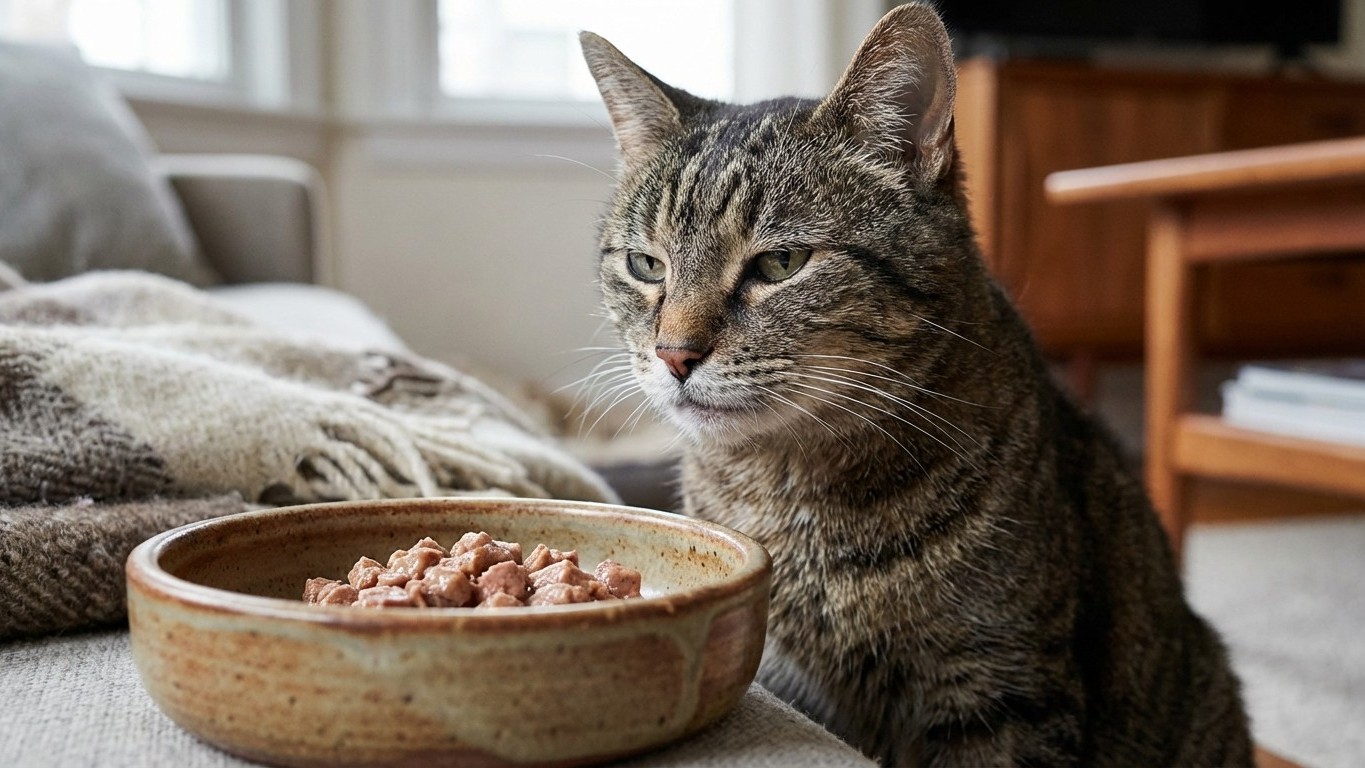
Switching your cat to homemade food overnight seems like a loving choice—until your cat stops eating and lands in the vet’s office. This common mistake reveals two hidden dangers: digestive shock and nutritional gaps that take months to cause serious damage.
The Silent Warning Signs: Why Vets Say You Should Never Dismiss Behavior Changes in Cats as Just Aging

The Silent Warning Signs: Why Vets Say You Should Never Dismiss Behavior Changes in Cats as Just Aging

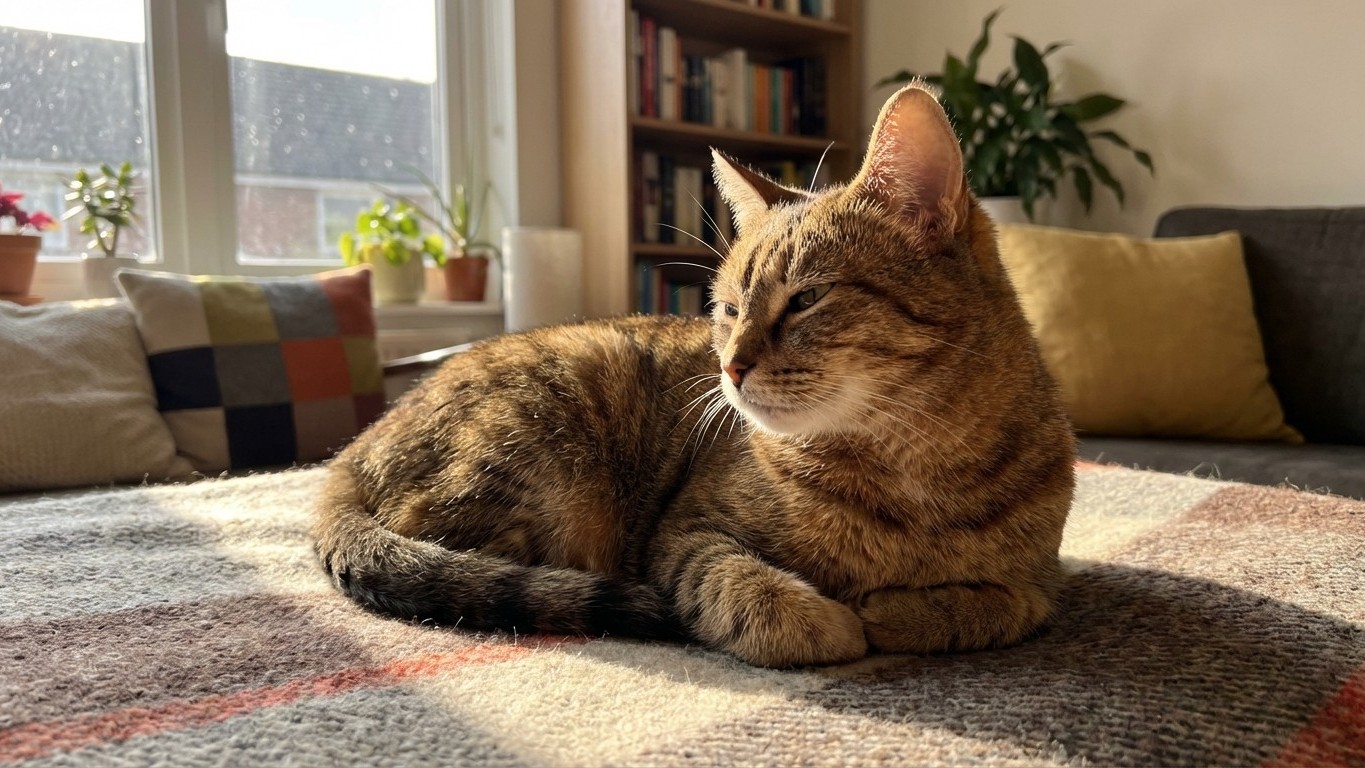
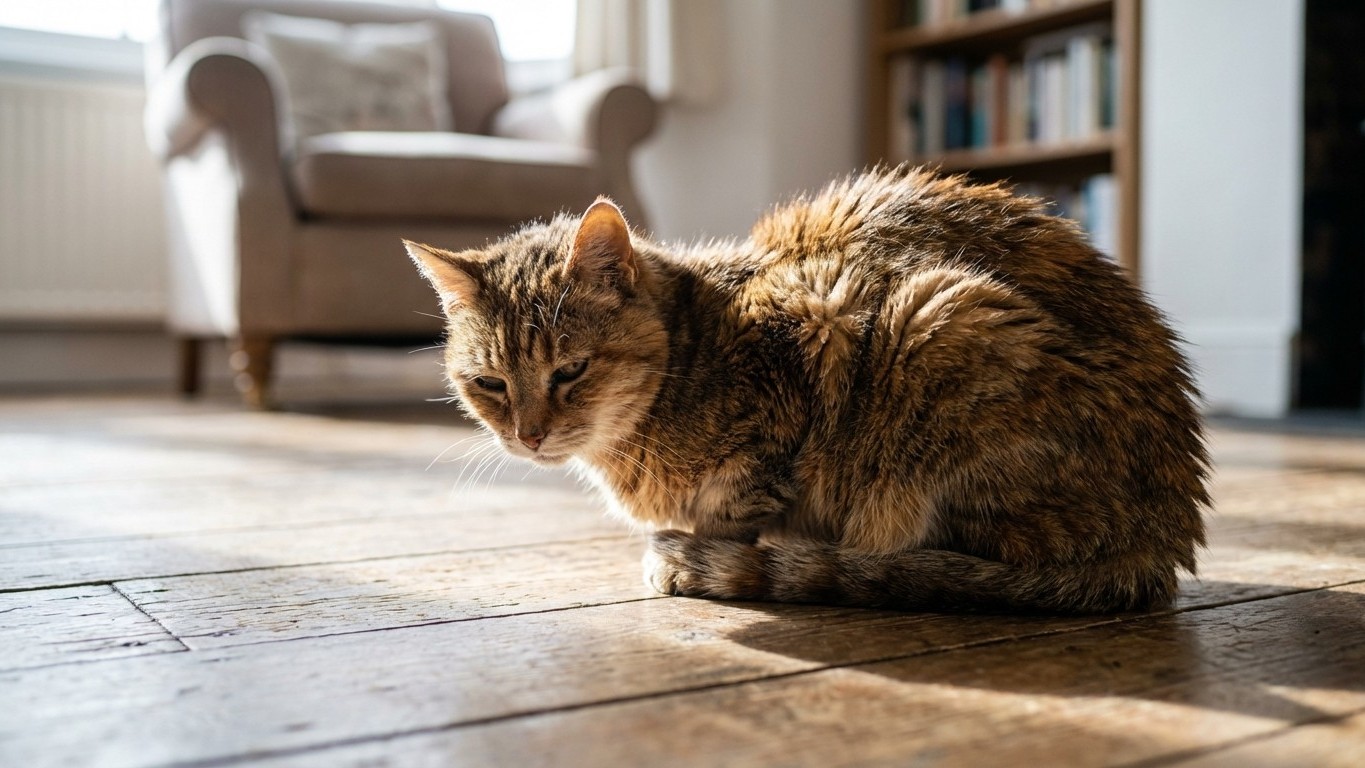
Many cat owners dismiss gradual changes in their pet’s behavior as normal aging, but veterinarians warn this assumption can delay critical treatment. From altered drinking habits to changes in grooming and activity levels, subtle shifts often signal treatable conditions like kidney disease, hyperthyroidism, or arthritis that go unnoticed for months.

The Hidden Diet Mistakes Slowly Destroying Your Cat’s Kidneys: What Vets Wish You Knew

The Hidden Diet Mistakes Slowly Destroying Your Cat's Kidneys: What Vets Wish You Knew

Kidney disease silently threatens countless cats, yet many owners unknowingly accelerate its progression through everyday dietary choices. From dehydration caused by dry kibble to hidden phosphorus in premium foods, the mistakes are often invisible—but easily correctable once you know what to look for.

Spring’s Hidden Killers: The Common Foods and Flowers Sending Cats to Emergency Vets

Spring's Hidden Killers: The Common Foods and Flowers Sending Cats to Emergency Vets

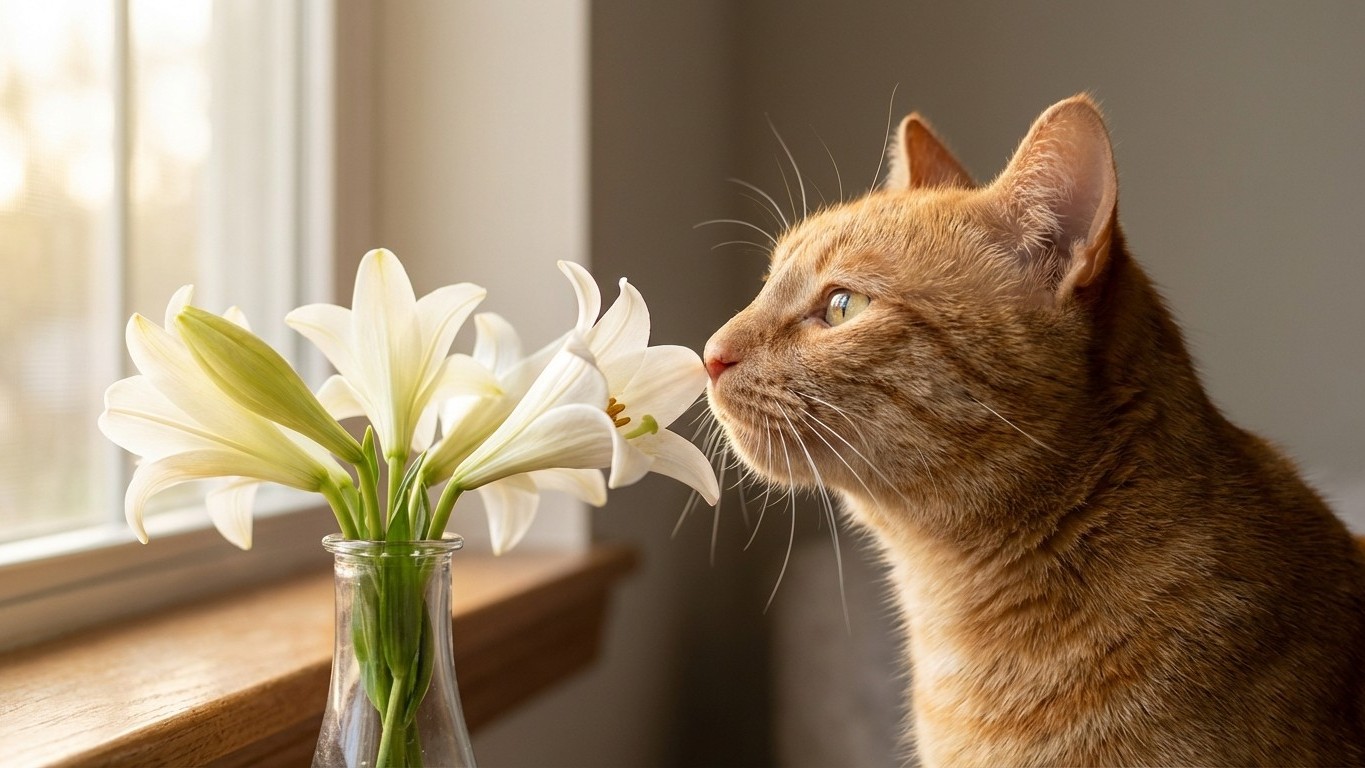
Every spring, UK emergency vets see a surge of cat poisonings from seemingly innocent household items. Lilies are the deadliest threat, causing kidney failure within days, but Easter chocolates, onions in gravy, and raisins in hot cross buns pose equally serious risks. The difference between a thriving cat and a medical emergency often comes down to one moment of awareness.

Your Cat’s Nighttime Behaviour Could Signal a Hidden Health Problem — Vets Explain the Warning Signs

Your Cat's Nighttime Behaviour Could Signal a Hidden Health Problem — Vets Explain the Warning Signs

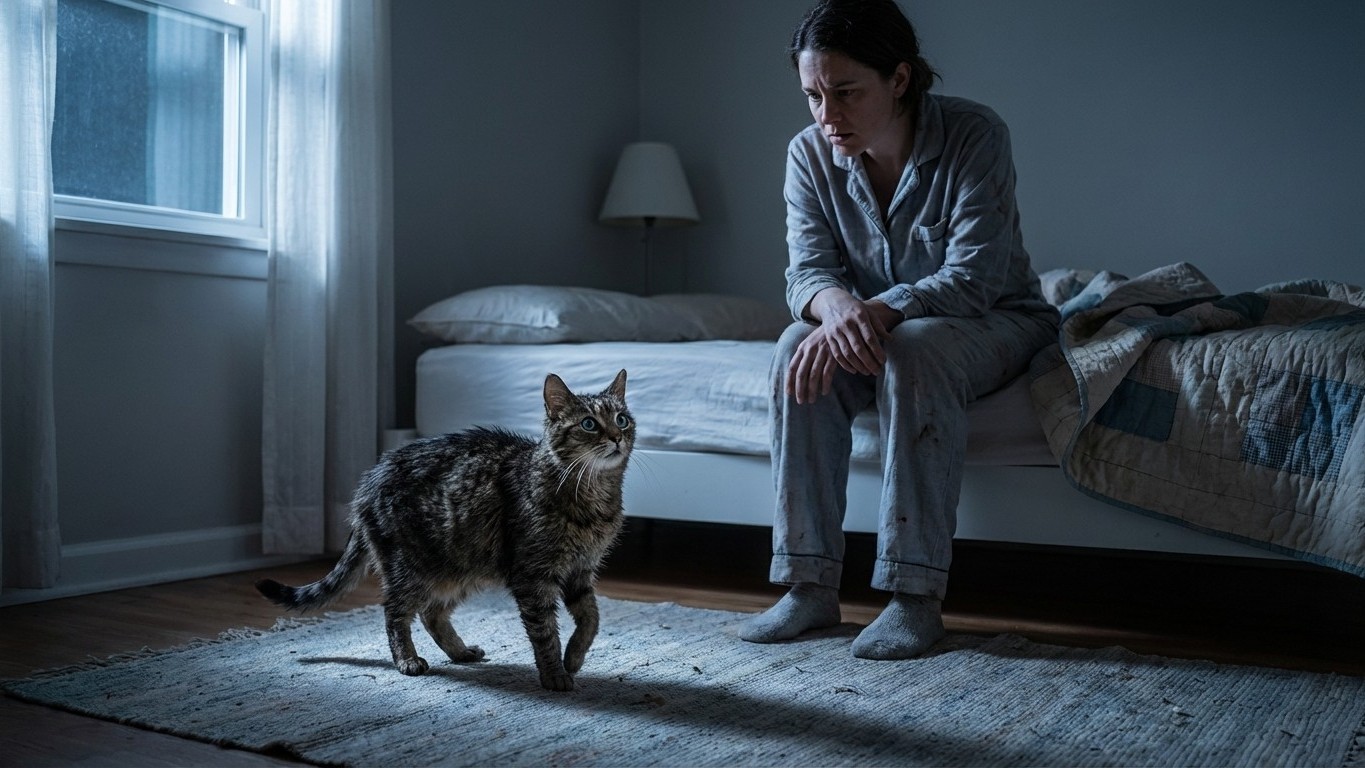
That 3am yowling and frantic pacing might seem like typical feline eccentricity, but veterinarians warn these nighttime behaviors can signal serious health issues ranging from cognitive dysfunction to hyperthyroidism. Understanding the difference between normal cat quirks and genuine distress could be crucial for your pet’s wellbeing.

I Thought My Cat Was Difficult — Until I Discovered This Crucial Signal

I Thought My Cat Was Difficult — Until I Discovered This Crucial Signal

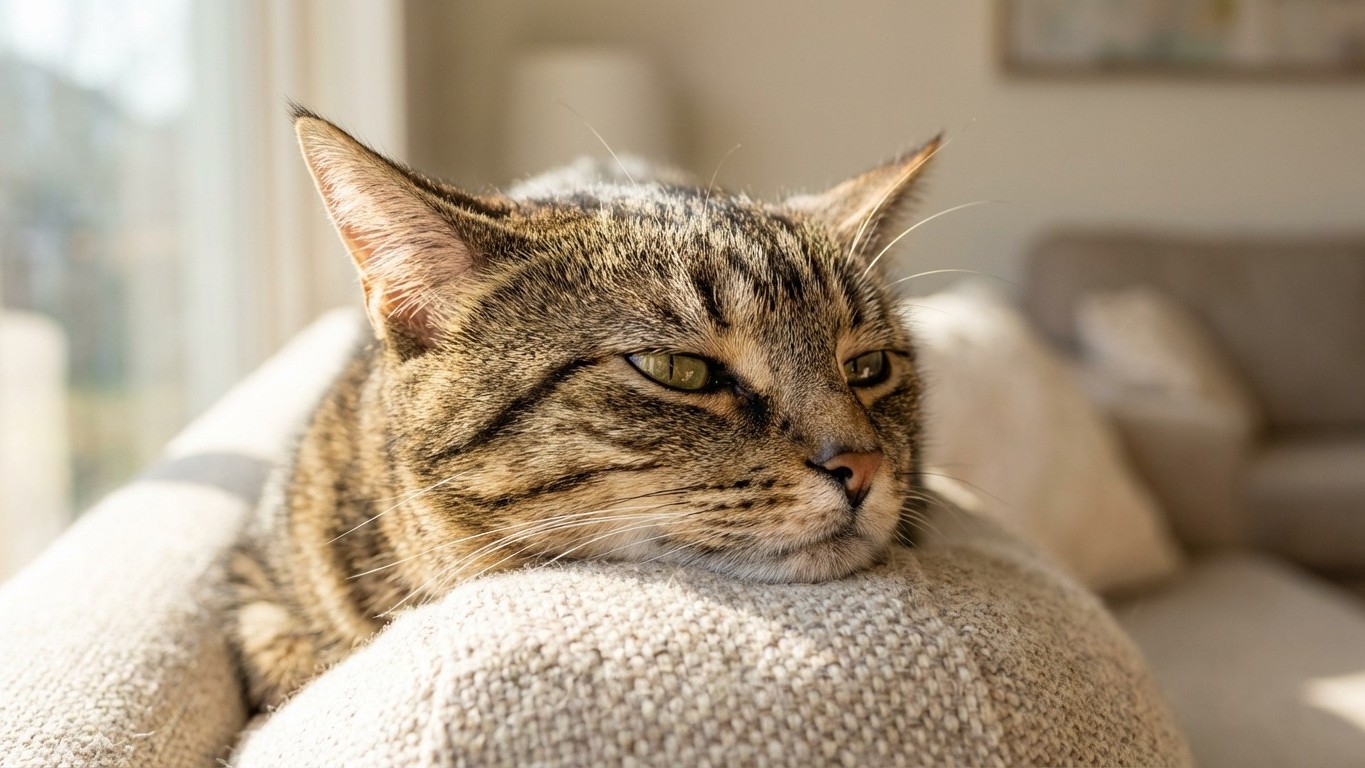
When Daisy, my usually sweet cat, turned suddenly grumpy, I blamed her mood. But it was a silent signal I ignored—a subtle shift in her habits pointing to hidden discomfort. This article reveals how to decode your cat’s mysterious behavior and act before problems escalate.