
A single mouse can hide a poison time bomb that takes days to detonate inside a cat’s body. Cats tend not to show obvious symptoms until there has been significant blood loss, often 3-7 days after first eating the poison. That’s the medical reality behind a scenario more common than most owners realise: a healthy-looking cat trots in with a dead mouse, gets a pat on the head for services rendered, and then three days later ends up on an examination table while a vet explains that internal bleeding has been quietly building the whole time.
Key takeaways
- Poisoned mice can pass anticoagulant toxins to cats through secondary poisoning, with symptoms appearing days after the hunt
- A cat can seem perfectly fine while internal bleeding silently builds in the lungs, abdomen, or gastrointestinal tract
- Vitamin K1 treatment works brilliantly—but only if started before serious blood loss, making the timing of your vet call critical
Why “fine” can be deeply misleading
Most rodenticides sold to control mice are anticoagulants. Most rodenticides are anticoagulant, meaning they interfere with the normal clotting of blood. The mouse doesn’t die instantly. It wanders around for days with the poison working through its system, and its liver becomes a reservoir for the toxin. When a cat catches and eats that mouse, this is what vets call secondary or relay poisoning. If a rat or mouse has died from an anti-coagulant rodenticide (e.g. brodifacoum, bromadiolone, difenacoum, etc), it is likely that small amounts of the poison could still remain in the rodent’s gastrointestinal tract and liver.
Here’s the cruel trick of it: nothing looks wrong at first. This means they will not show any symptoms initially, which can lead to a delay in diagnosing or treating the problem. Once these clotting factors have been used up, your cat will develop bleeding problems. This usually begins internally, in the gastrointestinal tract, lungs, or abdomen, making it hard to spot. A cat can be eating, purring, headbutting your ankles for breakfast, all while its blood is slowly losing the ability to clot. I find this genuinely unsettling as a fact, because it means the “wait and see” instinct so many of us have with pets is exactly the wrong approach here.
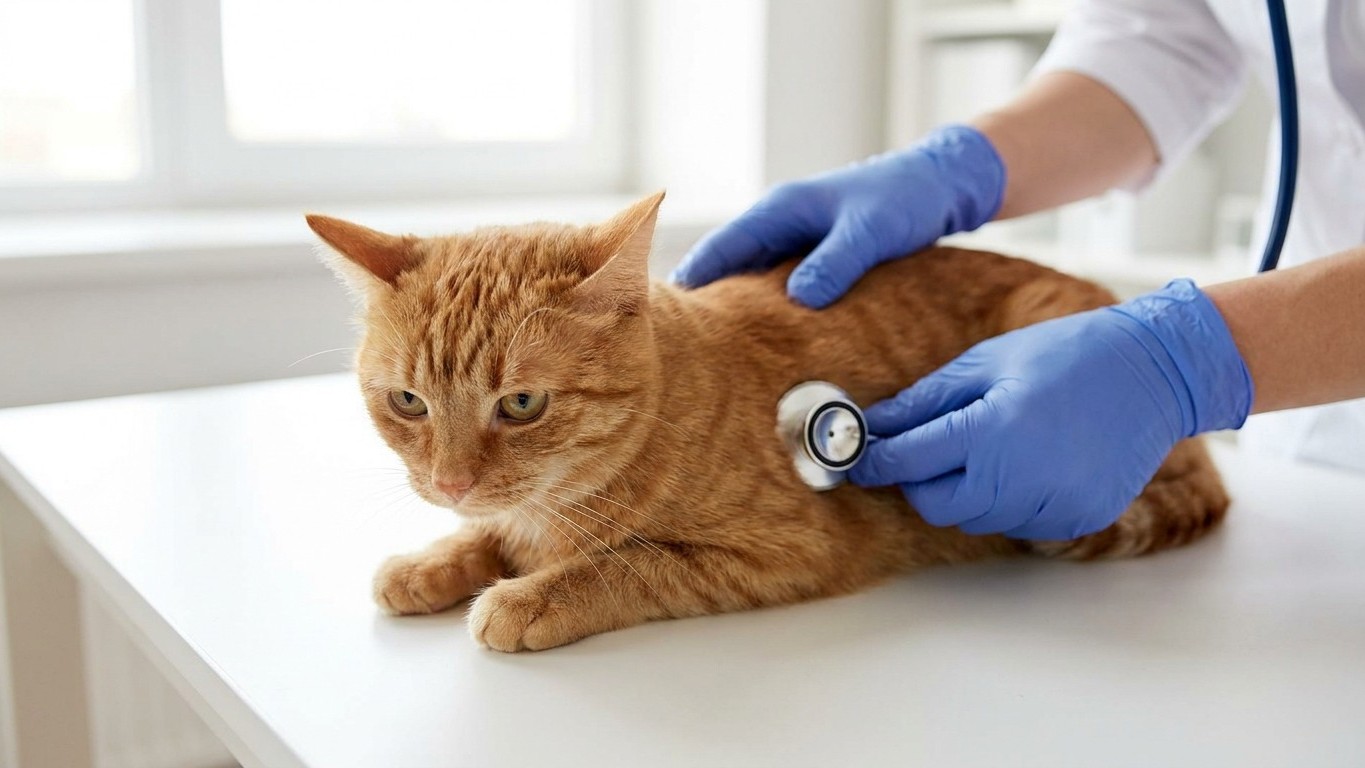
By day three, the depleted clotting factors finally catch up. Bruising under the skin, blood in urine or stool, bleeding gums, laboured breathing from blood pooling around the lungs, or sudden lethargy and pale gums can all appear almost overnight. In some cases, bleeding may be visible from the mouth, nose, or ears. If bleeding occurs in the brain or spinal cord, cats may have neurologic signs. If bleeding is not recognized and treated, death may occur. A vet examining a cat at this stage will often find pale mucous membranes, a swollen or painful abdomen, or breathing difficulty that traces straight back to a mouse eaten days earlier.
It’s not always the poison, mind
Secondary poisoning grabs headlines because it’s dramatic, but it’s genuinely rare in a cat that only occasionally hunts. Secondary (relay) poisoning can also occur, in which an animal is poisoned after it eats a rodent killed by rodenticide. However, secondary poisoning is rare because a cat would need to eat many rodents that died from the poison. The cats genuinely at risk are the ones living semi-feral lives on farms or smallholdings, hunting for a meaningful share of their diet. Outdoor cats and cats that live around farms, stables, or vineyards that use rodenticides are at higher risk for secondary poisoning, especially if they continually consume a diet of rodents.
For the average pampered house cat that brings home the odd trophy, parasites are the far more likely culprit behind a delayed reaction. Mice are basically a parasite delivery service. Toxoplasma gondii is a microscopic parasite that is shed in the feces of infected cats, and Toxascaris leonina and Toxocara cati are the most common species of roundworm found in cats, which they can be contracted by cats when eating rodents that have been infected. Tapeworms join the guest list too, since cats usually become infected with tapeworms by ingesting infected fleas while grooming or by eating infected rodents. None of this shows up on day one. Symptoms can appear anywhere from a few hours to several weeks after your cat eats a mouse, since parasites, for example, may take several weeks to mature and cause noticeable symptoms. A vet checking a cat three days post-hunt might instead spot early gastrointestinal inflammation, or simply recommend a stool sample as a precaution rather than treating an emergency.
What to actually do (and what not to bother with)
Don’t try to identify the poison or diagnose the mouse yourself; that time is better spent watching the cat. Testing the mouse your cat ate to see if it had poison or parasites generally isn’t practical or necessary. The most important thing is to monitor your cat for symptoms and consult with your veterinarian. Vets themselves admit this isn’t straightforward from the outside. Definitively diagnosing rodenticide poisoning is difficult unless the cat has had known exposure. That’s precisely why mentioning the hunting incident to your vet, even in passing, matters more than you’d think; it hands them a crucial clue they’d otherwise have to guess at.
The good news is that early treatment works remarkably well. Treatment of rodent bait poisoning depends on the type of poison ingested, and only anticoagulant-based poisons have an antidote available. Vitamin K1 therapy, given promptly, can restore normal clotting before serious blood loss occurs, which is exactly why speed matters more than symptoms here. Waiting for obvious signs before calling the vet means waiting for the bleeding to have already started.
If your cat is a keen mouser, ask your vet about a sensible worming schedule. If your cat is a frequent mouse eater, it is very important that they are wormed monthly with a robust and effective anti-parasite medication. And do a quiet audit of what’s in your shed. Old rodenticide blocks left over from a previous infestation are a genuine hidden risk long after the mouse problem itself is gone, sitting there ready to poison the next unlucky rodent your cat happens to find. If you’re keeping bait for pest control, ask for tamper-resistant stations, and never assume that because your cat looked perfectly fine on the drive home from a successful hunt, the story is over. Sometimes it’s only just beginning, quietly, on the inside.
Sources : cats.com | wagwalking.com