
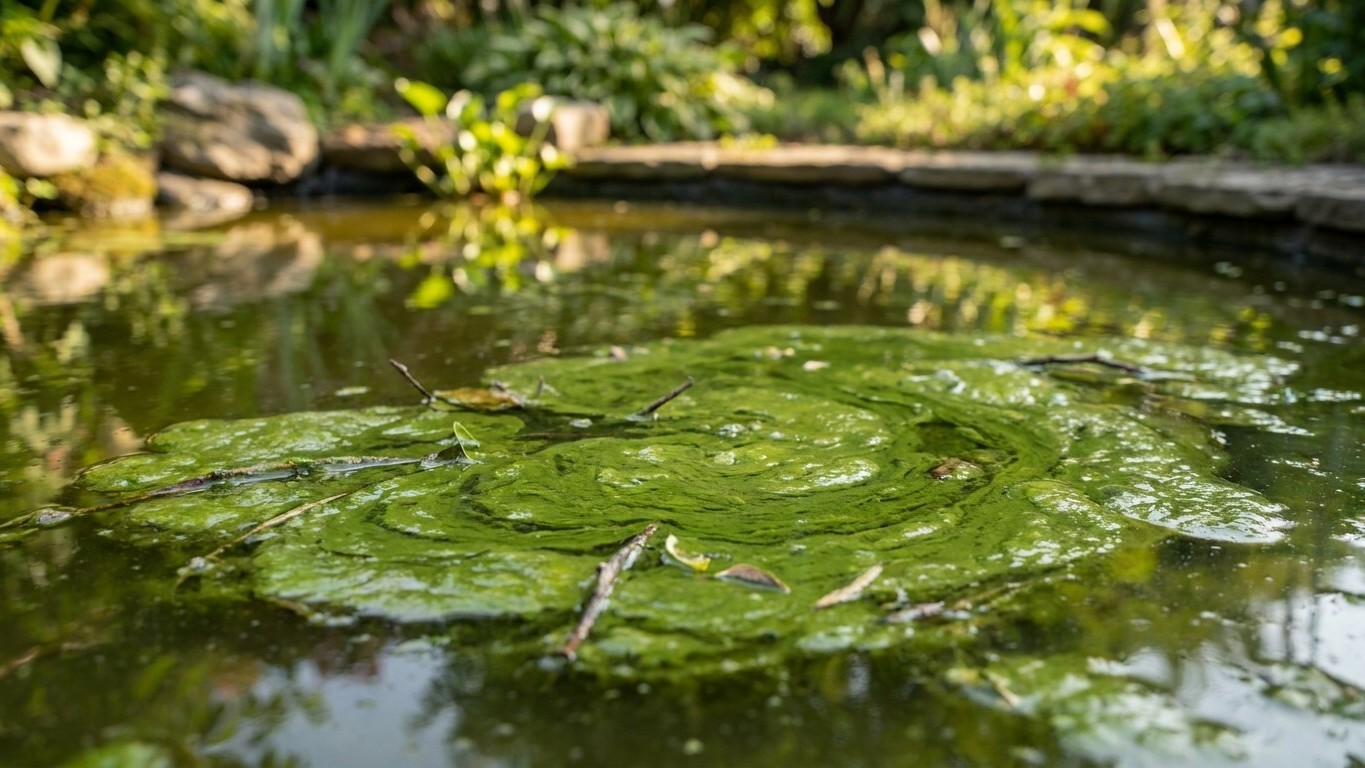
Green, scummy water sitting in a garden pond during a heatwave isn’t just unsightly. It can be lethal, and there is genuinely nothing a vet can inject, prescribe or pump out of a cat’s stomach that reliably reverses what happens once the toxin has been absorbed. That’s the harsh reality behind cyanobacteria, commonly (if inaccurately) called blue-green algae, and it’s why so many devoted owners are left in shock after being told their vet’s hands are largely tied.
Key takeaways
- A vet revealed there’s nothing she could give the cat to reverse what it had swallowed from the pond
- Toxic algae can cause seizures, collapse, or sudden death within 60 minutes—faster than most other poisonings
- There is no antidote: vets can only attempt decontamination and hope to limit organ damage
Why “algae” is actually bacteria, and why that matters
Despite the name, blue-green algae isn’t algae at all. Blue-green algae is not actually algae. It is a type of bacteria called cyanobacteria. These organisms are ancient, having been quietly running the planet’s oxygen cycle for billions of years, and under the right conditions they multiply explosively. It thrives in warm, nutrient-rich water and can form dense clusters called blooms, which often occur during warmer months. A neglected garden pond, especially one fed by run-off or fertiliser drift from nearby lawns, is exactly the kind of stagnant, nutrient-rich puddle these bacteria love.
Spotting a bloom isn’t always obvious. Water containing toxic algae blooms will often have the appearance of a pea-green paint or will appear as if there’s slime on the surface. Sometimes it’s subtler than that. It can look like a blue-green scum on the surface of the water that sometimes looks a bit like pea soup, green flakes, greenish bundles or brown dots, or a green, blue-green or greenish-brown paint on the surface. The unsettling part is that a bloom can be dangerous even when it doesn’t scream “toxic” at first glance, which is exactly why so many cats end up drinking from ponds their owners assumed were just a bit murky.
What happens once a cat swallows it
Cats are, thankfully, less commonly poisoned than dogs. Among domestic species, dogs are the most susceptible to cyanobacterial toxicosis, and toxicosis is rare in cats because of their lower risk of exposure. Cats tend to be fussier drinkers and rarely go swimming, which reduces their odds of contact. But rare doesn’t mean impossible, and a thirsty cat pawing at a green pond on a scorching July afternoon is a scenario I hear about every summer.
Once ingested, the toxins don’t discriminate. Blue-green algae can produce toxins that affect the nervous system (neurotoxins), liver (hepatotoxins), or skin (dermatotoxins). The onset can be brutally fast. Neurotoxins have an onset within 60 minutes of exposure. Signs to watch for include weakness, tremors, seizures, vomiting, diarrhoea, drooling and, in the worst cases, sudden collapse. Symptoms may include weakness, collapse, muscle tremors, seizures, or sudden death, vomiting, diarrhea, excessive drooling, excessive drinking and urinating, itchiness, and blister, depending on what type of bacteria is present.
Here’s the part that genuinely unsettled me when researching this: unlike most poisonings, where you have a decent window to intervene, this one can move at terrifying speed. When it comes to most toxicities, it takes several hours before clinical signs are seen and days before organ injury is seen, but not so with blue-green algae toxicity in dogs and other species. That means the “I’ll keep an eye on her and see how she goes” approach simply doesn’t work here. By the time symptoms appear, the toxin may already be doing serious damage to the liver or nervous system.
Why the vet really can’t do much, and what they’ll try anyway
This is the bit that catches owners off guard. Since there is no specific antidote, treatment focuses on reducing absorption and treating the symptoms. There’s no clever injection waiting in a cupboard. Vets rely on decontamination if the ingestion was very recent, followed by supportive care: inducing vomiting, performing gastric lavage, or giving activated charcoal to help limit toxin absorption, plus IV fluids to treat dehydration and help maintain blood pressure. Beyond that, it’s about propping up whichever organs are struggling. Aggressive therapy including intravenous fluids and plasma may replenish electrolytes, regulate blood glucose, support organ function, and prevent shock; muscle relaxers may help with tremors, anti-seizure drugs for convulsions, and atropine may reduce excess salivation.
The outlook depends heavily on which toxin was involved and how quickly treatment started. Severe cyanobacteria poisoning is rapidly fatal and can cause sudden death, while moderate cases of hepatotoxicity may result in severe liver damage but some cats may recover. Even cats who pull through often aren’t in the clear straight away, since liver damage from these toxins can linger for weeks.
Keeping next summer’s pond off the menu
The genuinely good news is that this is one of the more preventable pond hazards out there. Cyanobacteria need warmth, sunlight and nutrients to bloom, so breaking any one of those conditions helps enormously. Removing standing water from plant containers, birdbaths, fishponds, and fountains, and providing fresh water sources in clean troughs or dishes for all animals is one of the most effective prevention steps. If a full pond clean-out isn’t practical, a simple solar-powered fountain or air pump keeps water moving, and moving water is far less hospitable to these bacteria than a still, sun-baked puddle.
Fencing off the pond, or at least the section where a cat is most likely to perch and drink, is worth considering if algae has appeared before, since blooms tend to recur in the same spot year after year once conditions favour them. And if you do spot a suspicious green sheen on any body of water in the UK, whether it’s your own pond or a local lake on a walk, it’s worth reporting it. You can report algal blooms to the Environment Agency 24 hours a day on 0800 80 70 60. One final oddity worth knowing: a bloom can look completely different from one week to the next, thickening into a paint-like film almost overnight during a hot spell, so a pond that looked fine on Monday can turn into a genuine hazard by the weekend. Checking it regularly through the warmer months costs nothing and could save a life.
Sources : aspca.org | foundanimals.org