
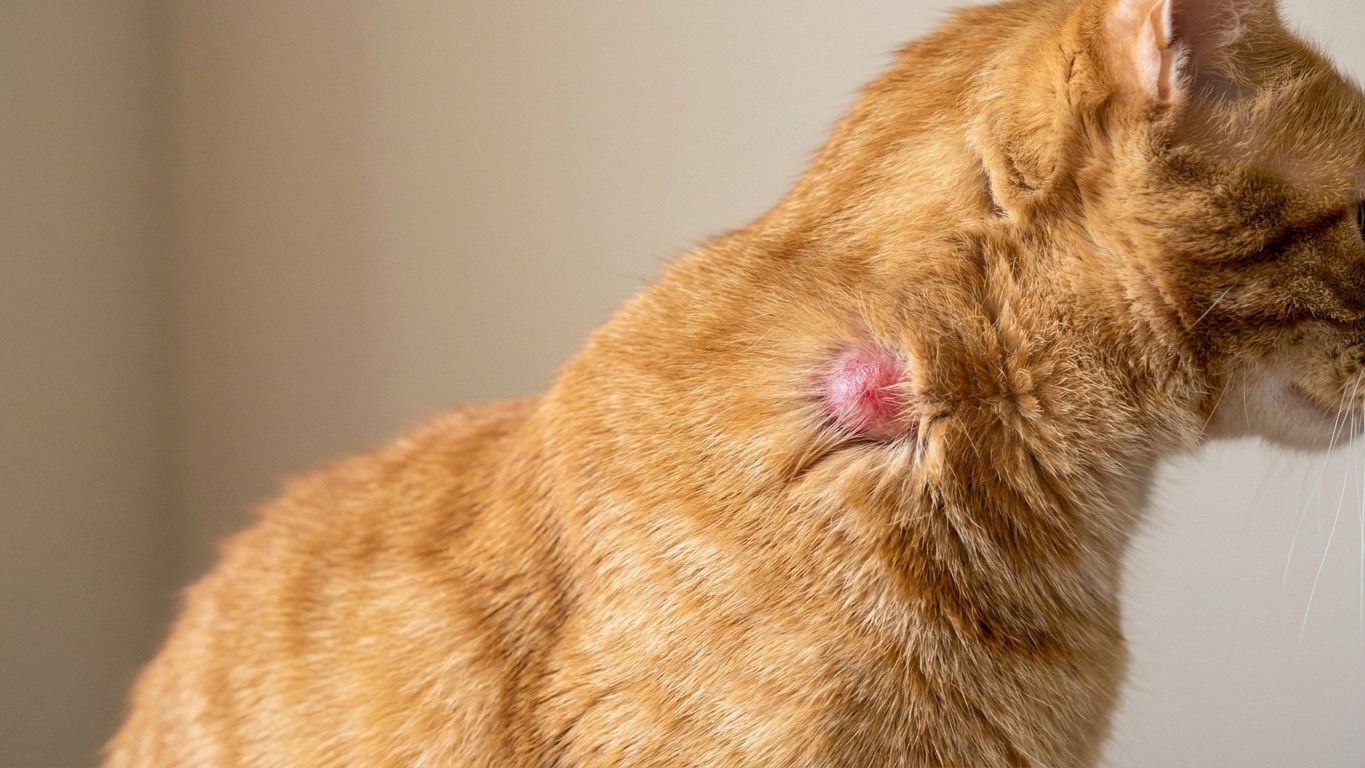
That single scratch you spotted after the tomcat fracas wasn’t the injury doing the damage. Cat teeth are needle-fine and built to puncture rather than tear, which means the real wound often sits invisible beneath a layer of fur that’s barely disturbed. Four days later, when you found that shoulder swollen and hot, you were witnessing exactly what vets call a bite abscess, a pocket of infection that forms precisely because the skin heals too efficiently for its own good.
Key takeaways
- A single cat tooth puncture can inject bacteria deep under the skin without leaving visible damage
- The body’s own healing response seals the wound shut, trapping infection inside where it multiplies for days
- Subtle behavioural changes—quietness, excessive licking, reluctance to be touched—appear before the painful lump becomes visible
Why the wound sealed shut so fast
A cat’s canine teeth work like tiny hypodermic needles. They slide in, deposit a cocktail of bacteria from the mouth, and slide back out again, poking easily through the skin, leaving a load of bacteria behind, and then exiting, often without causing much bleeding or leaving a mark that is visible through the hair. Within hours, that pinprick closes over on the surface. It looks like nothing happened. But a bite or scratch from another animal introduces bacteria under the skin, and the wound may seal over quickly, trapping the bacteria inside where they multiply and form a pocket of infection.
Your tomcat’s own healing response, the very thing that’s supposed to protect him, became the trap. Skin over the shoulder is loose and mobile, exactly the kind of tissue where a pocket of pus will develop, forming an abscess, rather than the infection spreading flat through tighter tissue as cellulitis does on a leg or tail.
Timing-wise, what you experienced is textbook. It often takes two to four days for an abscess to develop, so before you see a swelling, you may notice other symptoms such as quietness, reluctance to be touched, or excessive licking at one spot. Some sources put the window slightly wider: abscesses generally take two to seven days to form, and owners may see pus dripping from the site if the abscess breaks open on its own, or may notice new swelling, inappetence, fever, or lethargy. Village Center Veterinary Care puts it bluntly: after about four days a pocket of pus, known as an abscess, develops where the bite was. Four days on the nose, in your cat’s case. That’s not a coincidence, it’s simply how long the bacteria need to multiply before the body’s inflammatory response becomes visible from the outside.
Spotting the signs before the lump appears
Shoulders, faces, necks and the base of the tail are the classic battlegrounds. There’s actually a neat bit of feline forensics in this: cats that wade into a fight aggressively tend to get bitten on the head, neck, and forearms, while cats that are fleeing the scene tend to get bitten on the backside near the tail. A shoulder wound suggests your lad stood his ground rather than legging it, which, frankly, tracks for most confident tomcats defending their patch.
Before the swelling itself is obvious, watch for changes in behaviour. Pain from a brewing abscess shows up as being quiet, aggressive, repeatedly licking one area, growling, twitching, or not letting you near them. You might also feel warmth under your fingers before you see any bump, since you may be able to feel heat and swelling around the bite, and your cat will be uncomfortable when the area is touched. Some cats run a low-grade fever and go off their food during this incubation period too, which is worth noting if your usually food-obsessed tom suddenly turns his nose up at his dinner.
What happens at the vet, and why home treatment isn’t enough
Once that lump has formed, it needs Professional draining, not a DIY squeeze at the kitchen table. Your vet may take a sample with a needle to check for pus before starting treatment, then lance the abscess, drain it, and flush it out until clean. This isn’t just about hygiene, an abscess under pressure is genuinely painful, and if your vet is able to drain the abscess, your cat will immediately feel more comfortable.
Antibiotics follow as standard, since the infection has already had days to establish itself in the tissue. Left alone, things can get messier: delayed or inadequate treatment may lead to chronically draining tracts in the tissue or even to organ system compromise, which is exactly why a scratch that “looked fine” deserves a second look days later, not just on the night of the fight. The good news is that recovery is usually swift once treated properly. With appropriate treatment, most abscesses should heal within five to seven days, and keeping the site clean at home speeds things along nicely.
There’s also a wider health angle that’s easy to overlook in the drama of a swollen shoulder. Bite wounds are one of the main routes of transmitting the feline leukaemia virus and the feline immunodeficiency virus between cats. A single scrap doesn’t automatically mean infection with either virus, but it’s a solid reason to mention any outdoor fighting to your vet, who may suggest testing if your tomcat has repeated run-ins with unfamiliar cats.
Cutting the odds of a repeat performance
If this wasn’t your tom’s first tussle, neutering is the single most effective preventative measure going. Neutering is the best way to prevent fights and cat bite abscesses, because neutered cats are less likely to roam and fight. Entire males patrol wider territories and clash over them far more often than neutered cats do, so the abscess sitting on his shoulder right now might simply be the cost of an intact tom defending turf against the neighbour’s equally determined moggy.
In the meantime, make a habit of running your hands over him properly after any outdoor scuffle, not just glancing at the obvious scratch. Part the fur along the shoulders, neck and base of the tail with your fingertips rather than your eyes, since punctures hide beautifully under even short coats. If you find a scab with any heat or tenderness around it, a quick bathe with cooled boiled salt water and a call to your vet practice, even before any lump appears, can sometimes head off the whole abscess process before it starts.
Sources : veterinarypartner.vin.com | villagecentervet.com