
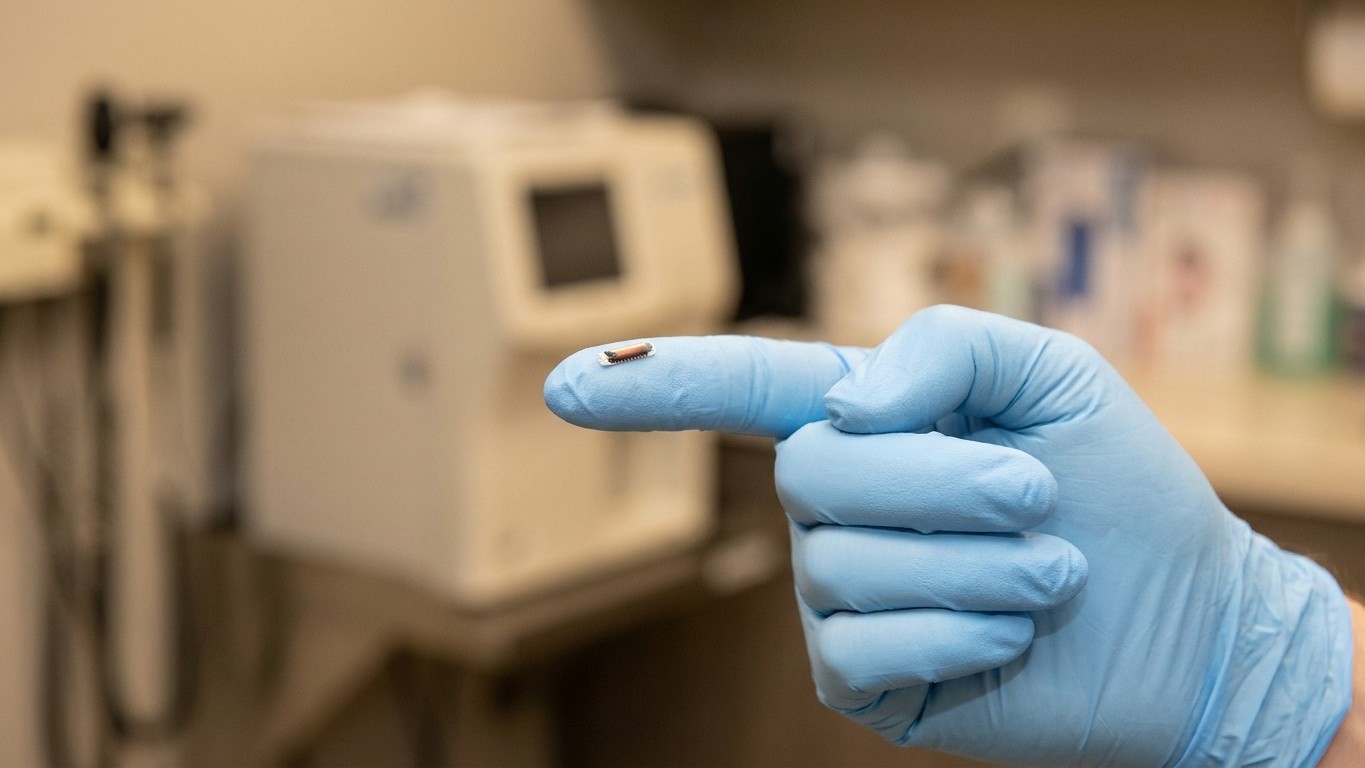
A microchip scanned at the vet can flash up a serial number and still leave your cat officially invisible to the system that’s supposed to bring them home. That’s the sting hidden inside England’s mandatory microchipping law: having the chip fitted is only half the job. The other half, registering and keeping your details current on an approved database, is where thousands of well-meaning owners are quietly falling short.
Key takeaways
- A microchip alone doesn’t reunite lost cats—only a registered, current database entry does
- Nearly 2.4 million English cats are unchipped, and millions more are registered to addresses and phone numbers their owners no longer use
- Three common mistakes—moving house, adopting a pre-chipped cat, and changing your number—silently break the chain between scanner and reunion
A law with teeth, but a loophole owners miss
From 10 June 2024, all pet cats in England must be microchipped, and your contact details must be up to date on a Defra-approved microchipping database. Any pet cat must be microchipped before they reach 20 weeks of age, and you must ensure your contact details are kept updated on a Defra-approved microchipping database. Miss the deadline and there’s a small grace period: if you miss the June deadline, you have 21 days to get your cat microchipped. Ignore it altogether and the penalty isn’t symbolic. Failing to comply with the law could see owners receive a fine of up to £500.
The rule doesn’t cover every cat in every corner of the UK, which trips people up when they compare notes with friends elsewhere. Currently this law only applies to England and doesn’t cover Scotland, Wales, or Northern Ireland. There’s also a sensible carve-out for cats that never had an owner to begin with: this includes indoor cats but excludes feral (stray) or community cats. Given more than 9 million pet cats in England, that’s a lot of animals meant to be chipped and, crucially, properly registered.
Why the scanner still says “unidentified”
Here’s the bit nobody explains at the vet’s front desk: the chip itself is just a barcode. It only means something if it points to a working, current record in a national database. A dog warden, vet, or rescue centre scanning a cat isn’t reading your name and phone number off the chip, they’re reading a number that has to be cross-referenced against a database entry you were responsible for creating and maintaining. If that entry doesn’t exist, or if it’s stale, the cat comes back “identified” on the scanner but effectively unidentified in practice.
Local authorities have been blunt about this. ‘Registered’ means that the details on the microchip must be recorded on an approved UK database. Fall short of that standard and this results in the dog or cat not being properly microchipped in accordance with the regulations and you may therefore be subject to enforcement action. One council put it even more plainly for cat owners specifically: incorrect or out-of-date information means that your cat is not legally considered as microchipped.
This isn’t a rare edge case either. The PDSA’s own welfare survey found a startling gap between chipping and proper registration nationwide. Our 2024 PAW Report findings showing a whopping 22% of the cat population, nearly 2.4 million cats, are without a microchip. Every one of those cats, if lost, stolen, or hit by a car, becomes a much harder puzzle for a vet or rescue to solve. That’s before you even get to the ones who do have a chip but whose owner moved house three years ago and never thought to update a database entry they’d forgotten existed.
Where owners actually go wrong
Three situations account for most of the “chipped but not really findable” cats I hear about. Moving home without updating the record is the classic one, a chip registered to an address you left in 2022 is worse than useless when someone’s trying to reach you in 2026. Rehoming or adopting a second-hand cat is another: an adult cat that arrives already chipped from a previous owner still needs the record transferred into your name, otherwise a scan just leads back to a stranger. And simply changing your mobile number, something almost everyone does at least once a decade, quietly severs the link between a scanned chip and a reachable human being.
None of this is helped by the fact several different microchip databases operate in the UK, each run by different companies, so an owner can genuinely lose track of which one holds their cat’s record, or discover the record was never created in the first place because whoever implanted the chip assumed someone else would register it. While your cat might wear a collar and tag that carry your details, these can easily break, fall off or be removed. A microchip can’t be removed easily, so your details will always be with your cat, but only if that data was entered correctly to begin with.
Making the chip actually work for your cat
Sorting this takes ten minutes, not a trip to the vet. Ask your vet or the microchipping database itself to confirm your cat’s chip number and check which database it sits on, then log in and verify every field, name, address, phone number, is current. If you’ve adopted a cat, don’t assume the rescue transferred ownership on the chip automatically; confirm it yourself. If you’ve moved house or changed your number in the last year, do the update today rather than after your cat has gone missing and you’re frantically trying to remember a password to a website you registered on years ago.
My own view, having covered enough distressed reunion stories for this column, is that vets should hand owners a printed reminder at every appointment: chip fitted is not the same as chip registered. It costs nothing, takes seconds, and could be the difference between a happy reunion and a cat sitting unclaimed in a rescue pen with a perfectly good microchip that simply leads nowhere.
Sources : thelocal.fr | pdsa.org.uk