
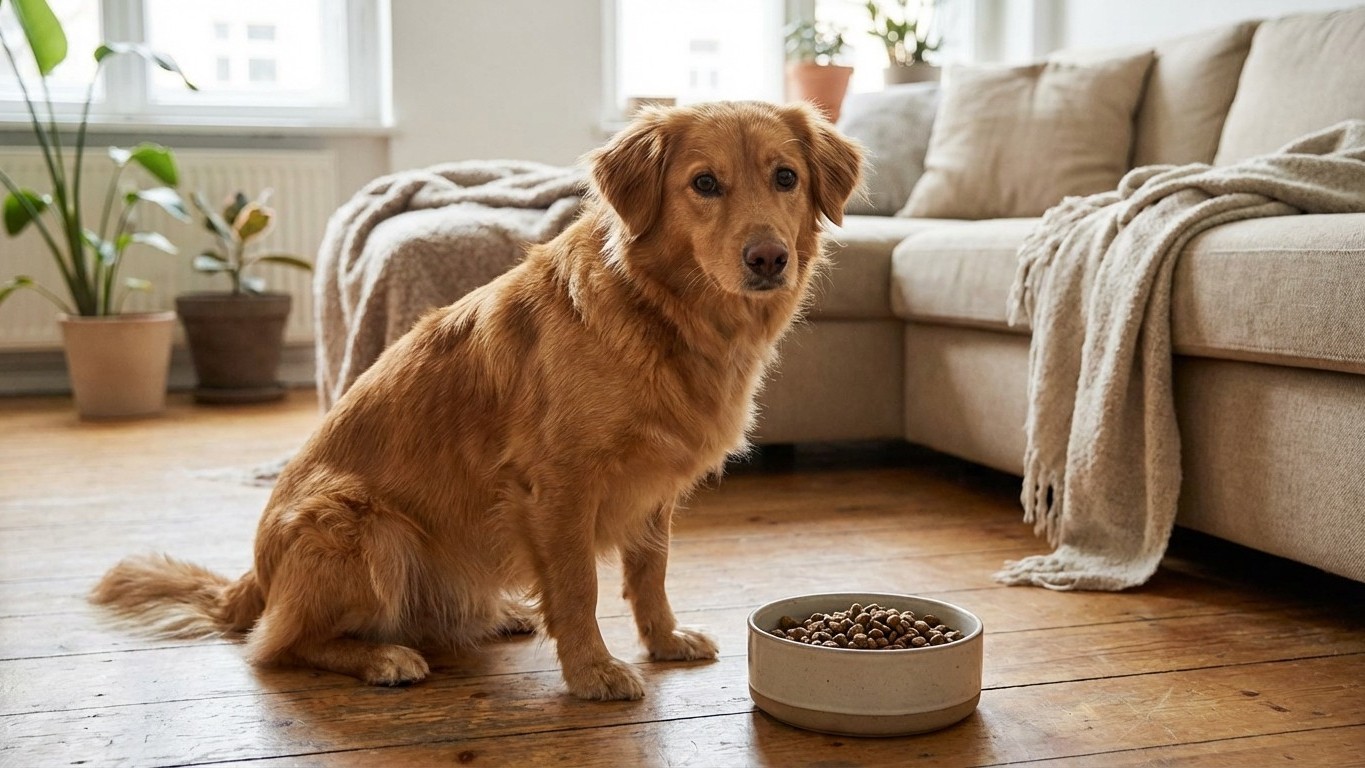
As winter draws to a close, many pet owners breathe a sigh of relief, anticipating longer days and warmer weather. However, this transitional period can pose unexpected challenges for our furry companions, particularly concerning their diet. A seemingly minor oversight in feeding routines during this time can have significant repercussions on your pet’s health.
Key takeaways
- Why winter-to-spring feeding routines can harm your pet’s health.
- The common overlooked error veterinarians see every year.
- Key strategies to adjust your pet’s diet for changing activity.
Understanding Seasonal Dietary Needs
Throughout the colder months, pets often experience Changes in activity levels and metabolic rates. Dogs, for instance, may be less active due to shorter days and inclement weather, leading to reduced calorie expenditure. Conversely, pets that spend considerable time outdoors might require additional calories to maintain body heat. Recognising and adapting to these shifts is crucial to prevent weight gain or loss.
The Common Culprit: Overfeeding as Activity Decreases
One prevalent Mistake during the end of winter is continuing to feed pets the same amount as during peak winter, despite a decrease in their activity levels. As the days lengthen and temperatures rise, pets may become more active, but there’s often a lag period where their activity hasn’t yet increased, but their food intake remains high. This imbalance can lead to weight gain, which, in turn, increases the risk of health issues such as diabetes, arthritis, and heart disease.
For example, a dog that was walked less frequently during the harsh winter months may have maintained a stable weight due to reduced food intake. However, if the same feeding regimen continues as the weather improves, without a corresponding increase in exercise, the extra calories can quickly add up.
Adjusting Your Pet’s Diet Appropriately
To ensure your pet’s diet supports their health during this seasonal transition, consider the following steps:
- Monitor Body Condition: Regularly assess your pet’s body condition score. You should be able to feel their ribs without a thick layer of fat, and they should have a visible waist when viewed from above.
- Gradual Dietary Adjustments: If you notice weight gain, gradually reduce portion sizes. Sudden changes can upset your pet’s digestive system. A reduction of 10% in daily food intake is a reasonable starting point.
- Increase Physical Activity: As weather conditions improve, gradually increase your pet’s exercise. This helps burn excess calories. Also, improves overall well-being.
- Choose Nutrient-Dense Foods: Opt for high-quality pet foods that provide essential nutrients without unnecessary fillers. This ensures your pet receives adequate nutrition even with reduced portions.
Special Considerations for Outdoor Pets
Pets that spend significant time outdoors during winter expend more energy to stay warm. As temperatures rise, their caloric needs may decrease. It’s important to adjust their food intake accordingly to prevent weight gain. Additionally, ensure they have access to fresh water, as hydration needs remain constant regardless of the season.
Consulting with Your Veterinarian
Every pet is unique, and factors such as age, breed, health status, and lifestyle influence dietary needs. Before making significant changes to your pet’s diet, consult with your veterinarian. They can provide personalised advice and help you develop a feeding plan that aligns with your pet’s specific requirements.
In conclusion, as winter wanes, it’s essential to reassess and adjust your pet’s diet to match their changing activity levels and metabolic needs. By being attentive to these changes and making informed adjustments, you can help ensure your pet remains healthy and happy as they transition into the warmer months.