
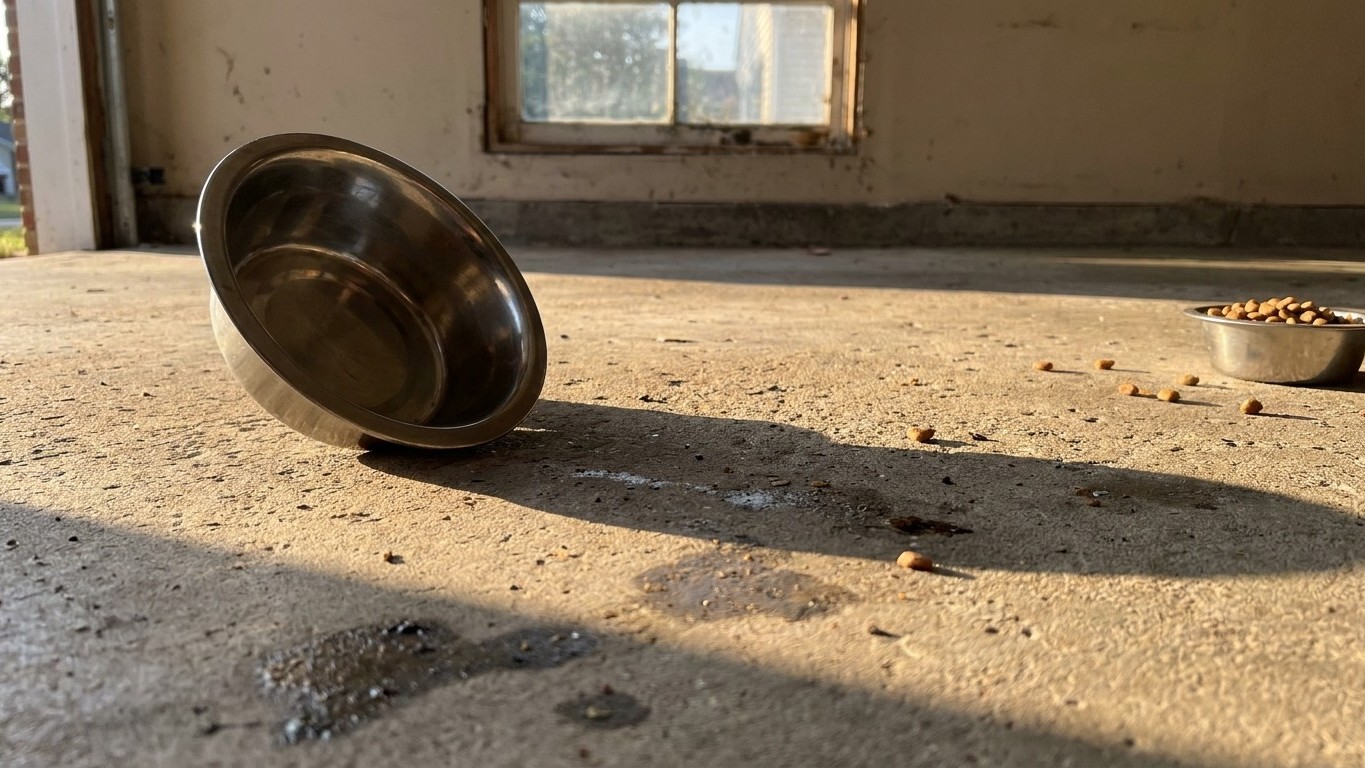
By the third day of a summer break, the food bowl in that garage was still half full. The water bowl, though, was bone dry. That’s the detail that should worry any cat owner reading this: a full bowl of biscuits does nothing for an animal that has run out of something to drink, and cats are far more likely to run short on water than on food during a hot August week shut away from home.
Cats naturally have a low thirst drive because their ancestors obtained much of their moisture from prey. That evolutionary quirk, useful for a desert-dwelling wildcat living off freshly killed rodents, becomes a real liability for a modern moggy locked in a garage with a bowl of dry kibble and one dish of water that can tip over, evaporate, or simply run out. Cats are naturally less inclined to drink water compared to other animals, as they typically get most of their hydration from their food, particularly wet food. Feed a cat exclusively on dry biscuits and that water bowl becomes the single point of failure in the whole set-up.
Key takeaways
- A full food bowl stayed mostly untouched, but something else vanished by the third day
- Cats have a dangerously low natural thirst drive—a single water dish becomes a critical failure point
- August garages can turn into deadly ovens faster than owners realize, with signs of trouble easy to miss
Why the water runs out before the food does
A cat left with a generous mound of dry food genuinely can nibble away at it for days. Dry food can be left in their bowl for 24-48 hours but make sure that fresh water is always available. The trouble is that water bowls in an enclosed space behave very differently to food bowls. Knock one over (and cats do, chasing a moth or simply stepping wrong on a hot floor) and there’s no backup. Leave it in direct sun through a garage window and it warms up, tastes worse, and evaporates faster than most owners expect. A single dish, however full it looked on departure day, is not a week’s water supply for a living animal in the middle of a heatwave.
The physical signs of dehydration are worth knowing before you ever go away, not after. Vet Sarah McCormack, of Northwest Neighborhood Veterinary Hospital in Portland, explains a simple check anyone can do at home: “if you lift the skin along their back and then drop it, it should go back down quickly if they are well hydrated,” and “if there is any delay, and the skin stays tented up, that is an indication of dehydration.” Left untreated, that dehydration doesn’t stay a minor inconvenience. Dehydration can lead to urinary tract infections, kidney issues and other severe health problems.
The garage was never a safe substitute for a proper plan
The instinct to keep a cat off a busy road while the family is away is a good one; road traffic accidents are one of the leading causes of preventable death in outdoor cats. But a garage in August isn’t a neutral holding pen, it’s a potential oven. Cats can sometimes get trapped in sheds, garages, or other outdoor structures that can quickly become ovens in hot weather, leading to rapid heat buildup. Several UK welfare charities flag exactly this hazard every summer. A cat may become trapped in a hot area like a greenhouse, garage, shed or car. Concrete floors and metal doors trap heat brilliantly and release it slowly, which means a garage can stay uncomfortably warm long after the sun has moved round the house.
Heatstroke in cats doesn’t always look dramatic at first. Excessive panting and weakness or collapse are the warning signs charities ask owners to watch for, and by the time a cat is panting it’s already in real distress, since cats don’t pant the way dogs do until things are serious. If you suspect a cat has overheated, the advice is consistent across welfare organisations: move them to a cool, well-ventilated area and gently wet their coat with cool (not ice-cold) water while contacting your vet immediately. For a cat that’s been alone in a garage for three days with no one to notice the early signs, that intervention simply can’t happen in time.
How long is actually safe, and what a proper set-up looks like
This is where good intentions collide with an uncomfortable truth. Most vets recommend that your cat can be left home alone for no more than 24 hours. A full week, however well-stocked the bowls, sits far outside that window. You should not leave a cat alone for a week without daily care and supervision, because even if you provide enough food and water, cats can become sick, stressed, bored, lonely, or destructive when left alone for several days at a time. UK charities are just as clear on this point. For absences beyond 24 hours, most UK welfare organisations, including the RSPCA and Battersea, recommend arranging human care.
A proper holiday set-up for a cat isn’t complicated, it just requires accepting that a bowl and a bolted door aren’t a plan. Multiple water sources spread around a cool, shaded space reduce the risk of one dish being the only lifeline; cats can dehydrate quickly, so leave out plenty of water sources and replenish it as necessary, and dropping a few ice cubes into the water helps keep it cool during a heatwave. Better still, arrange a neighbour, friend or professional cat sitter to call in daily, check the litter tray, top up water, and simply lay eyes on the animal. A camera helps you sleep easier from a beach in Cornwall or a villa in Spain, but it can’t scoop a spilled bowl or open a stuck door.
The cat in that garage was found in time, thanks to a neighbour popping round on a hunch. Not every story like this ends the same way. If August travel plans mean a cat will be alone for more than a day, the honest fix isn’t a bigger bowl, it’s a person checking in, because water disappears on its own schedule and it rarely waits for a return flight.
Sources : justanswer.com | alleycat.org