
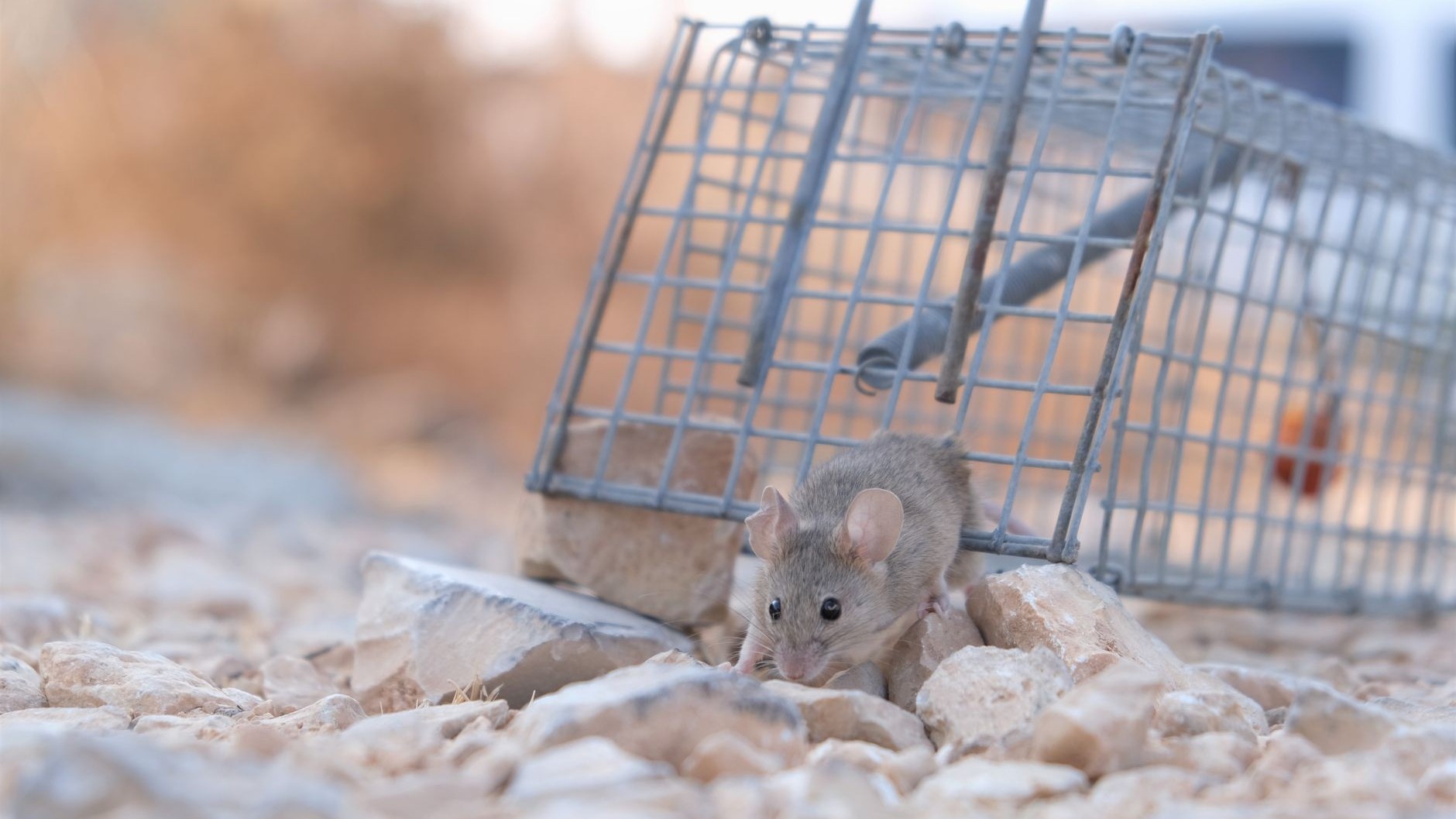
It wasn’t a rat. Lifting the tunnel cover that grey morning, hoping for the satisfying weight of a dispatched rodent, I found a hedgehog instead, caught by the Fenn Mk IV spring trap I’d set along the hedge line for exactly the pest it wasn’t meant to catch. That gut-punch moment is far more common than most gardeners and smallholders realise, and it says a lot about how easily the line between “vermin control” and “protected species harm” gets blurred in a British hedgerow.
Key takeaways
- A Fenn Mk IV spring trap set for rats caught something far more precious—and legally protected
- Breaking the law by accident: why tunnel width and trap placement matter more than good intentions
- Britain’s hedgehogs are vanishing at catastrophic rates; every preventable trap death adds to the crisis
Why a rat trap catches a hedgehog
The Fenn Mk IV is a proper piece of kit: a spring-powered body-gripping trap designed to kill instantly by snapping the spine of small mammals. It’s approved in England and Wales for grey squirrels, weasels, rats, mice and other small ground vermin, excluding species listed on Schedules 5 and 6 of the Wildlife and Countryside Act 1981. That exclusion clause is the whole problem. Hedgehogs shuffle along exactly the same routes as rats, hedge bottoms, field margins, compost heap edges, hunting beetles and worms rather than grain, but their nightly beat overlaps almost perfectly with rodent runs.
It is a legal requirement to set these traps in a tunnel, either artificial or within a warren, and care should be taken to avoid non-target species. That’s not a suggestion from a manufacturer’s leaflet, it’s the law under the Spring Traps Approval Order. The trap must be set in a natural or artificial tunnel which is suitable for minimising the chances of injuring or killing non-target species whilst not compromising the capture and killing of target species. The trouble is that a standard tunnel wide enough for a fat rat is also wide enough for a hedgehog to squeeze through, especially the juveniles that wander in late summer looking for territory.
The law doesn’t care that you meant well
Hedgehogs sit on Schedule 6 of the Wildlife and Countryside Act, which affords them protection from certain methods of killing or taking. In the UK hedgehogs are protected being listed on Schedule 6 of the Wildlife & Countryside Act, and if a trap is set and it catches a hedgehog, then the person who set the trap can be prosecuted. Ignorance of the animal’s presence isn’t a defence in itself, and where traps are used for other species, the trapper must ensure that offences against protected species are not committed. On top of that, the Pests Act 1954 governs the trap itself. Under section 8 of the Pests Act 1954, it is an offence to use or knowingly permit the use of any spring trap, other than a trap that has been approved by order, for animals or in circumstances for which it is not approved.
Stoats got extra protection too, and it caught a lot of experienced trappers out. Spring traps should be set in an artificial or natural tunnel to prevent the access of non-target species, and the entrance of trap tunnels should be restricted or narrowed to prevent the entry of non-target species, since stoats were given broader protection in 2020. Anyone still running old-style Fenn Mk IV setups without a restrictor plate at the mouth of the tunnel is, technically, breaking the law twice over, once for stoats and potentially again for any hedgehog that wanders in.
Getting the tunnel right actually works
The fix isn’t complicated, and it’s cheap compared with a visit from a wildlife crime officer. A narrow, baffled entrance stops anything bigger than a rat’s shoulders getting near the trigger plate. Placing stout sticks or wire mesh across the front of the tunnel stops birds, cats and hedgehogs getting caught by mistake, and these traps are best set along existing linear features such as hedgerows or using naturally occurring cover like tree roots. I’d add my own rule of thumb here: if you can fit two fingers side by side through the entrance hole, a hedgehog probably can too, and you need to narrow it further.
If your hedgerow is genuinely stoat or hedgehog territory, and most are, it might be worth switching entirely. The DOC 150 is intended to fit the same tunnel dimensions as the Fenn Mk IV or Springer/Solway No 4 traps, meaning it can be fitted into a pre-existing trap space, and it comes with a design that’s harder for non-target species to trigger. Newer options exist too. There’s now an additional type of spring trap, the Quill Trap, available for stoat control which complies with the Agreement on International Humane Trapping Standards. None of this is a substitute for common sense placement, though. Checking the trap regularly Matters More Than any baffle. Manufacturers recommend checking traps at least twice daily, and while there’s technically no legal requirement to check a properly set tunnel trap at specified intervals, leaving a Fenn trap unchecked for days is asking for a slow, unwitnessed tragedy rather than a swift, humane kill.
A species that can’t afford another mistake
What makes a hedgehog death in a rat trap sting so much is the timing. Britain’s hedgehogs are vanishing at a rate that should worry every gardener with a hedge worth protecting. The State of Britain’s Hedgehogs 2022 report shows that hedgehog numbers have plummeted by between 30% and 75% across the rural landscape, with the worst declines in the East Midlands and East of England regions. One national estimate puts the scale starkly: the decline in numbers nationally was from 1.5 million individuals in 1995 to 522,000 in 2016. Against that backdrop, a preventable trap death isn’t just an unlucky morning, it’s a small contribution to a genuine conservation crisis, one hedgerow at a time.
If you do find a hedgehog in a spring trap and it’s still alive, don’t attempt to free the jaws yourself with bare hands; the springs on a Fenn Mk IV are powerful enough to break fingers, so use a release tool or ask an experienced pest controller, and get the animal to a vet or hedgehog rescue centre immediately, even if it looks unharmed. Shock alone can kill a hedgehog within hours.
Sources : trapman.co.uk | trapman.co.uk