The Silent Warning Signs: Why Vets Say You Should Never Dismiss Behavior Changes in Cats as Just Aging
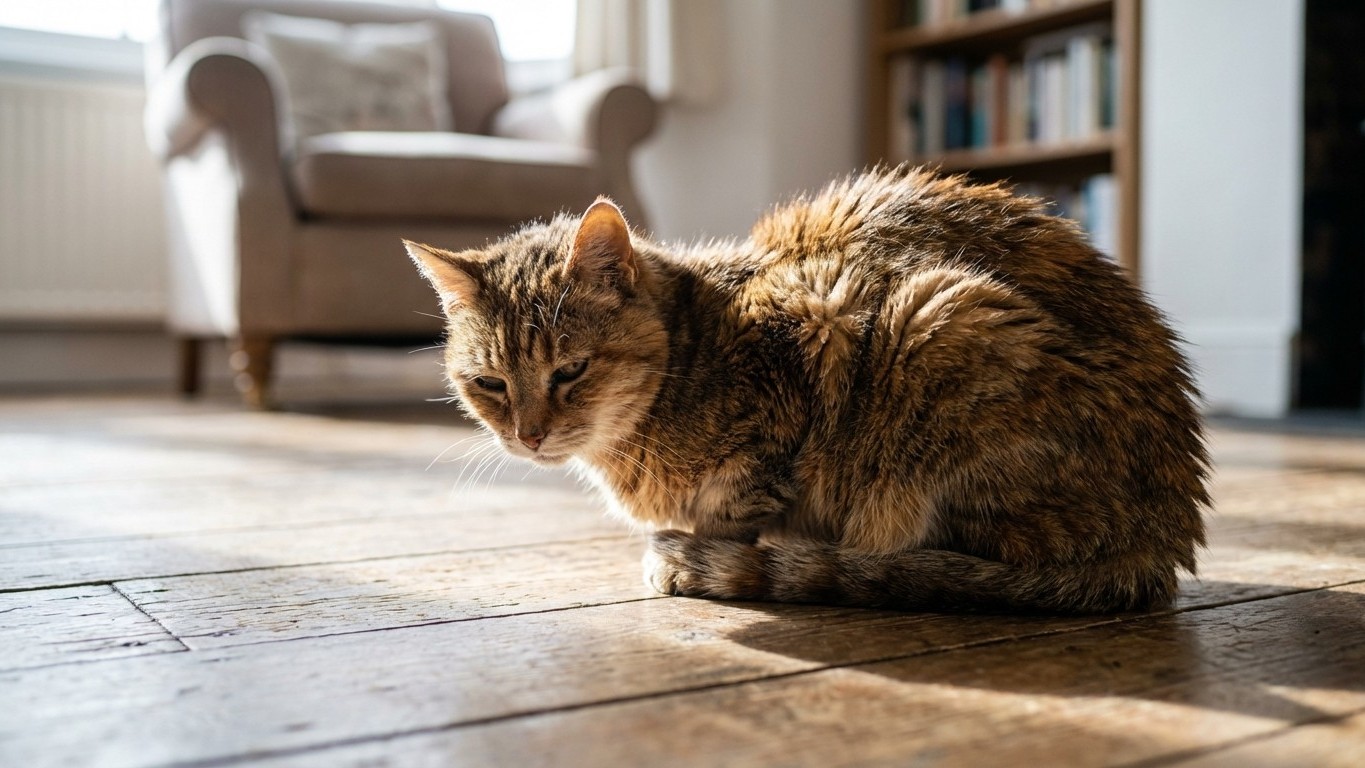
The Silent Warning Signs: Why Vets Say You Should Never Dismiss Behavior Changes in Cats as Just Aging

Many cat owners dismiss gradual changes in their pet’s behavior as normal aging, but veterinarians warn this assumption can delay critical treatment. From altered drinking habits to changes in grooming and activity levels, subtle shifts often signal treatable conditions like kidney disease, hyperthyroidism, or arthritis that go unnoticed for months.
Why Your Indoor Cat Goes Wild in Spring: The Brain Science Behind the Chaos

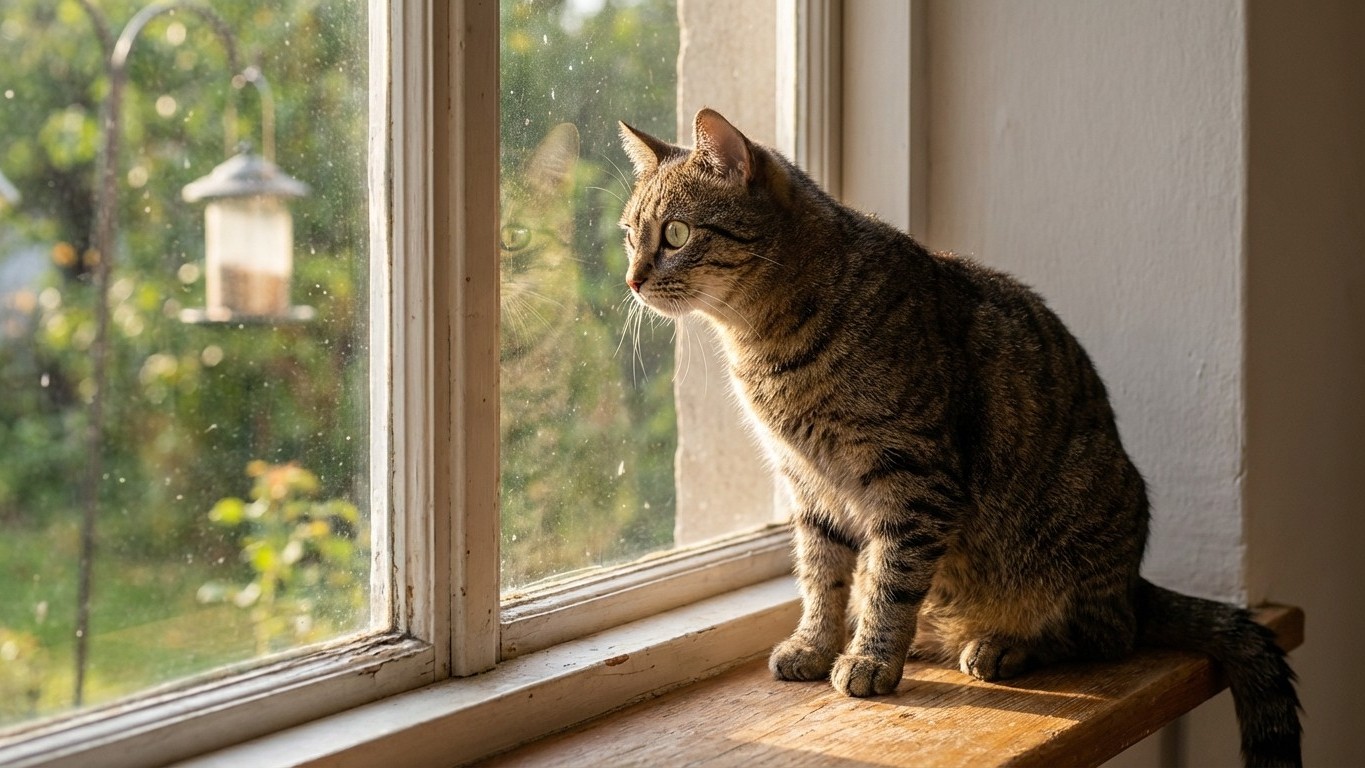
Why Your Indoor Cat Goes Wild in Spring: The Brain Science Behind the Chaos

Your calm, composed indoor cat suddenly transforms into a hyperactive, yowling ball of energy when spring arrives. It’s not random behavior—it’s neuroscience. Discover how lengthening daylight literally rewires your cat’s brain, triggering hormonal cascades and primal instincts that have nothing to do with the temperature and everything to do with melatonin levels and circadian rhythms.

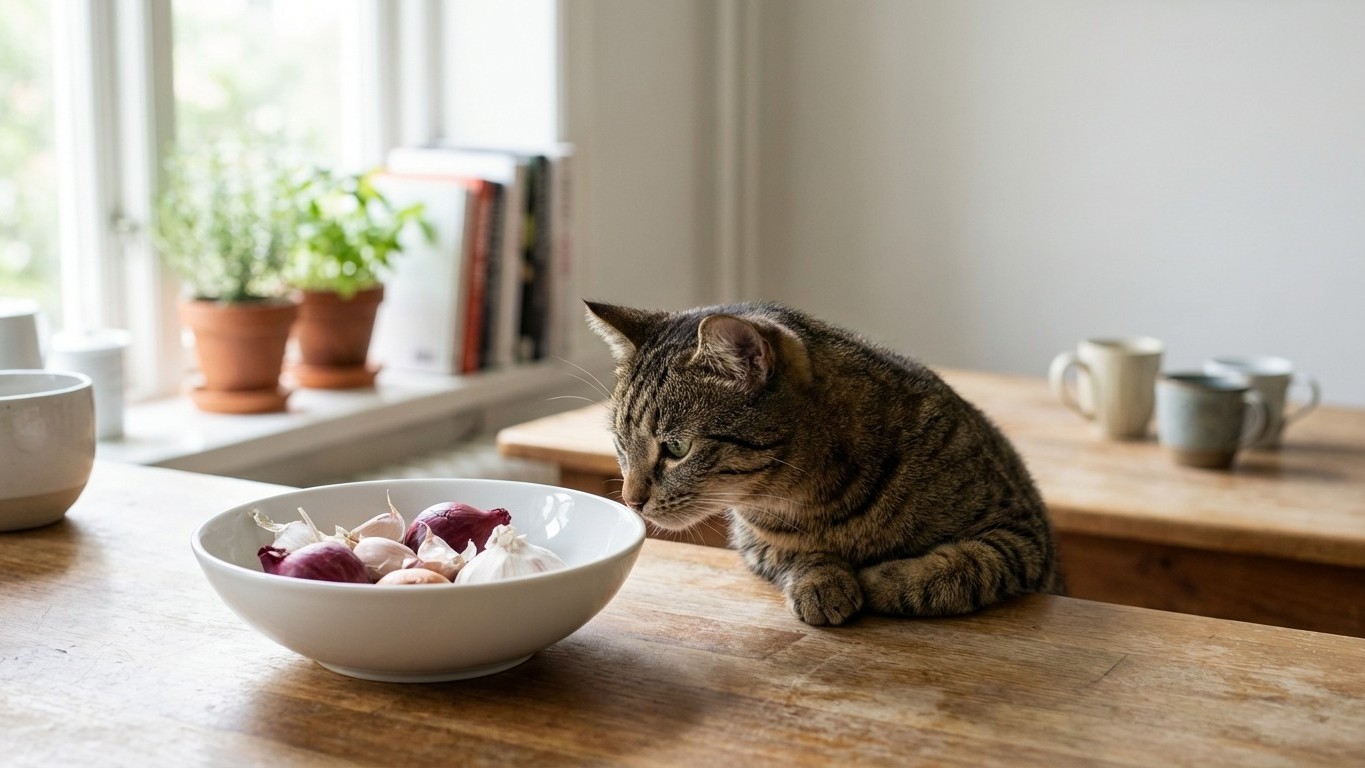
Why Your Cat Ignores Water and the One Change Vets Say Actually Works

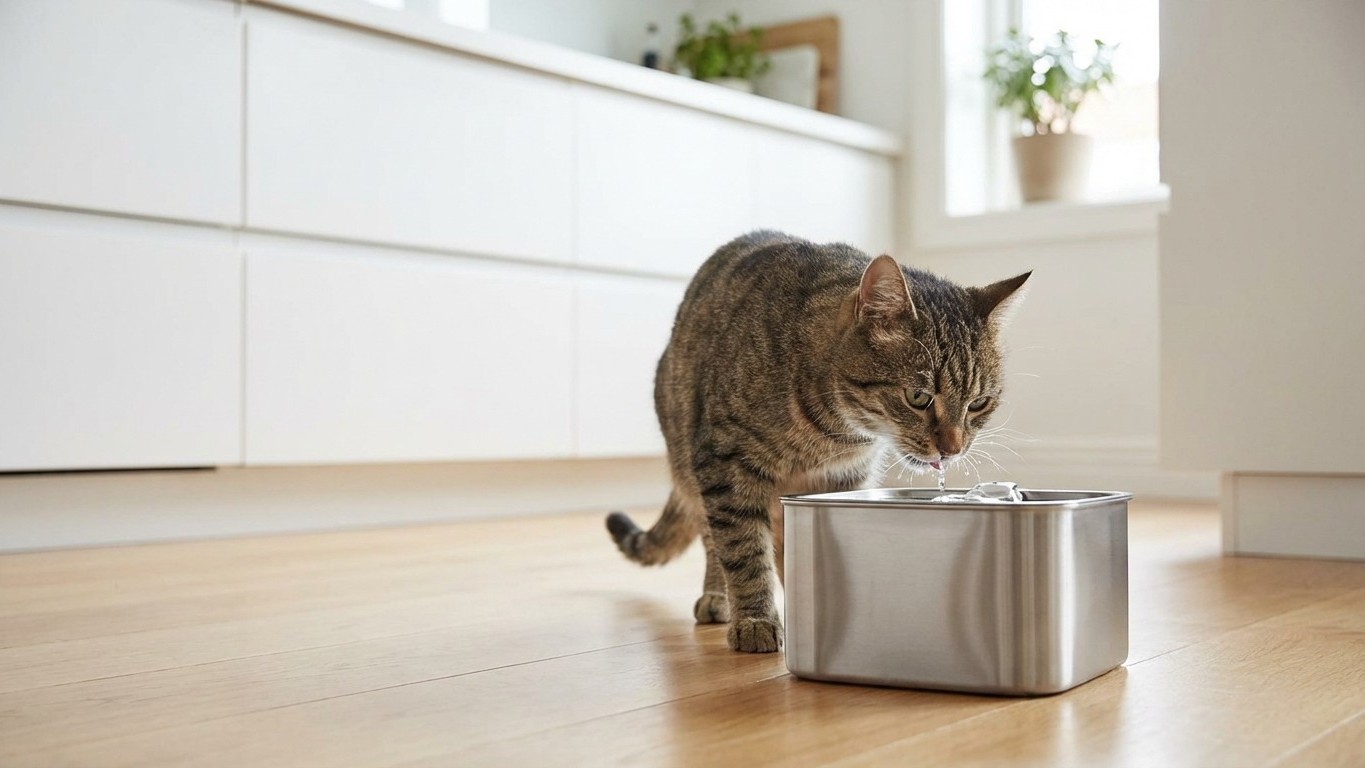
Why Your Cat Ignores Water and the One Change Vets Say Actually Works

Your cat’s refusal to drink water isn’t stubbornness—it’s evolution. Descended from desert wildcats, cats have a naturally low thirst drive and prefer moisture from food. Vets reveal the surprising reasons cats ignore their bowls and share one game-changing solution that makes all the difference.

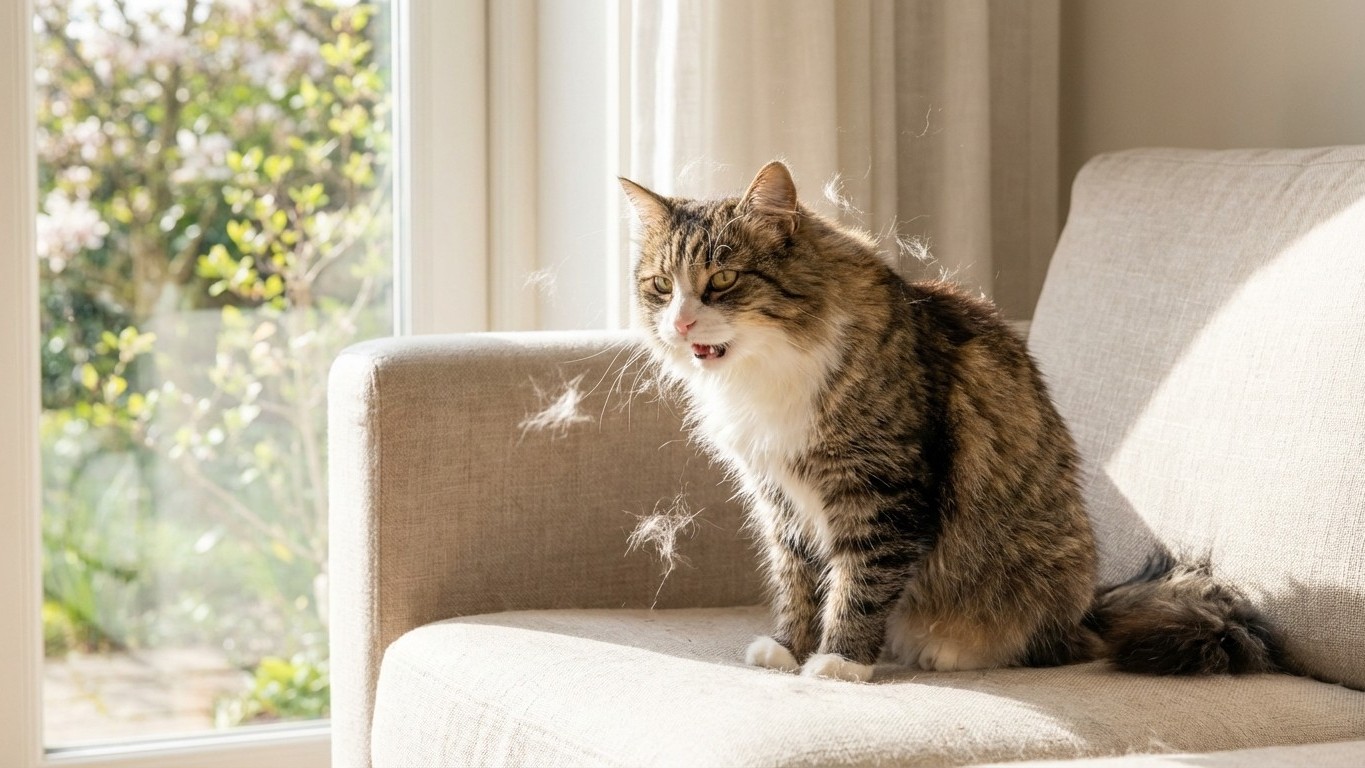
Why Your Indoor Cat Suddenly Has Hairballs When Spring Arrives

Why Your Indoor Cat Suddenly Has Hairballs When Spring Arrives

Your indoor cat breezed through winter hairball-free, but spring brought unexpected retching sounds and fur-covered furniture. The culprit isn’t warmth—it’s daylight triggering your cat’s natural shedding cycle. Learn why this happens and what you can actually do about it.

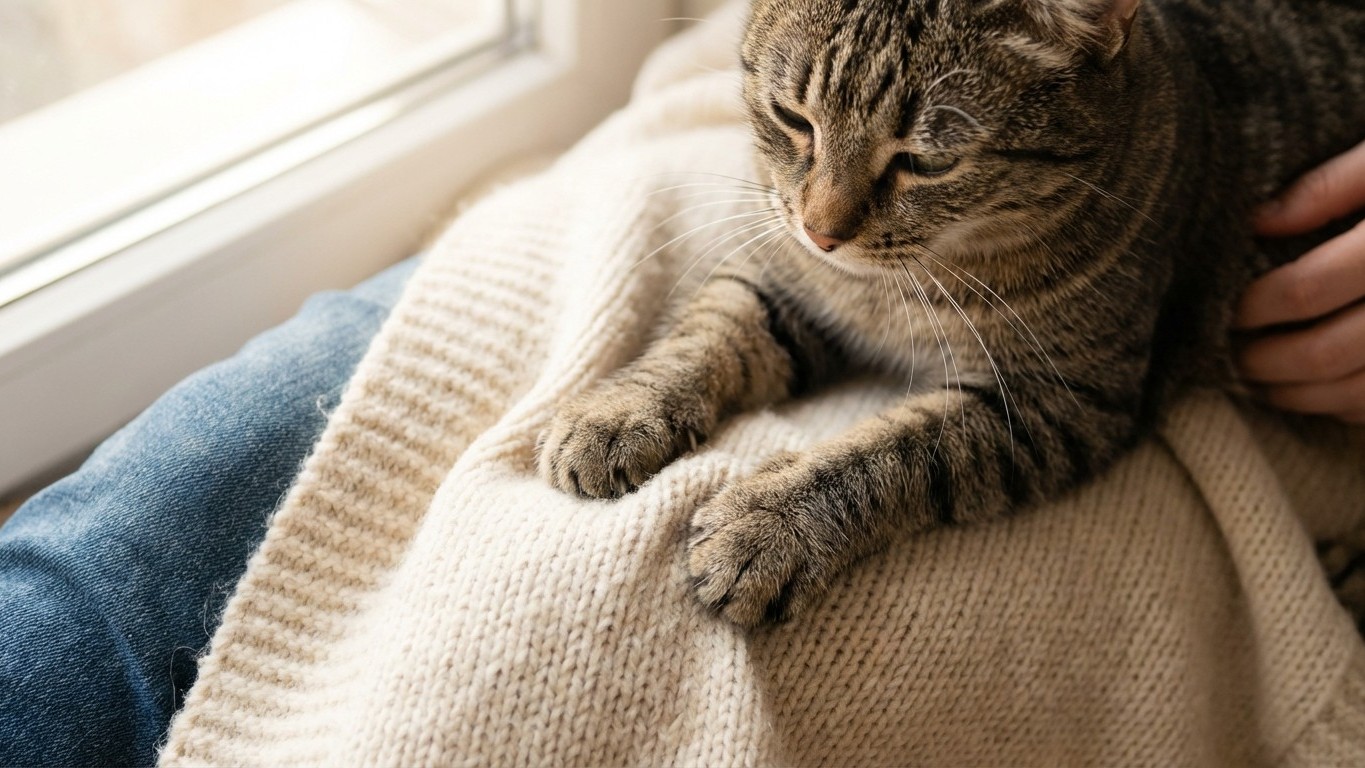
Why Your Cat Kneads You: The Ancient Instinct Behind Your Pet’s Most Affectionate Gesture

Why Your Cat Kneads You: The Ancient Instinct Behind Your Pet's Most Affectionate Gesture

That rhythmic paw-pushing your cat does isn’t just about comfort—it’s a complex behavior rooted in ancient survival instincts, neurochemistry, and scent communication. When your cat kneads you, they’re marking you as family, releasing dopamine, and reconnecting with their wild ancestry all at once.

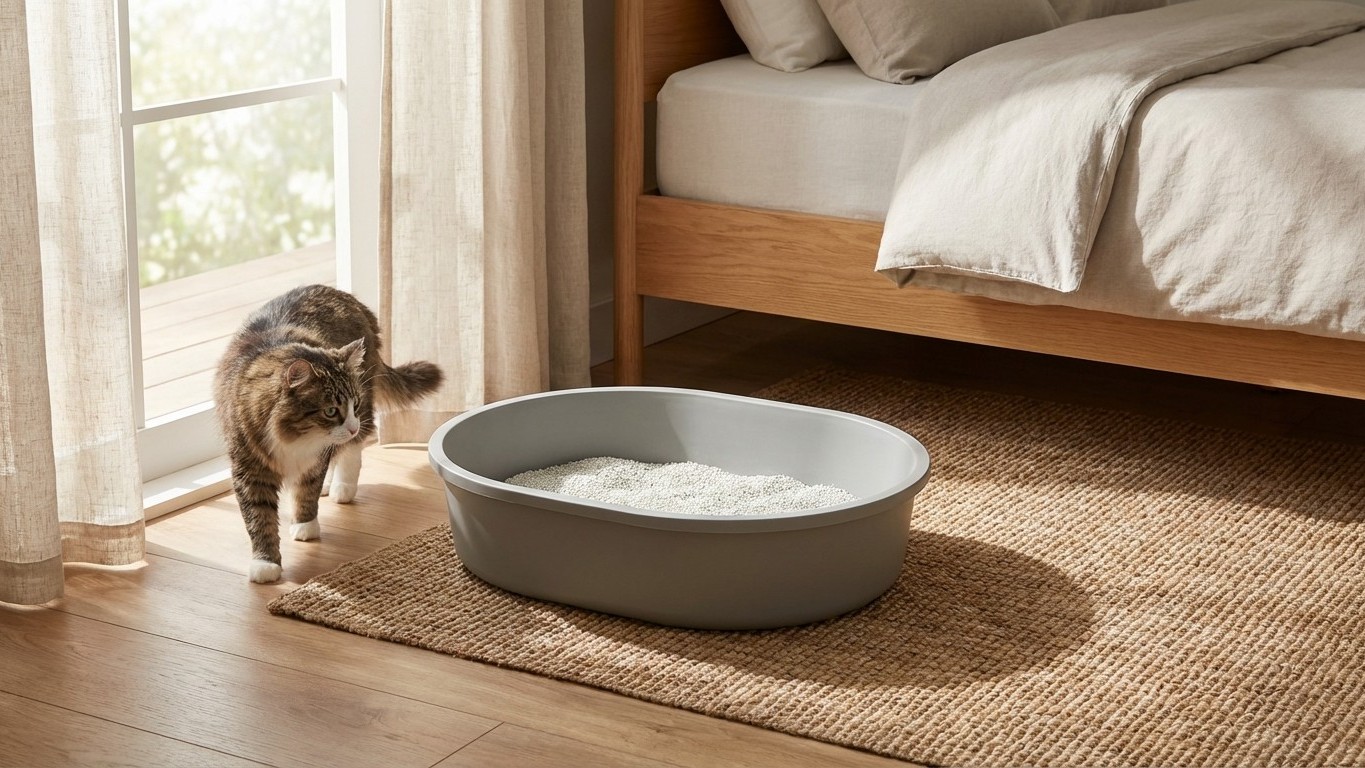
Stop Hiding the Litter Box: Where Behaviourists Say It Actually Belongs

Stop Hiding the Litter Box: Where Behaviourists Say It Actually Belongs

Most cat owners hide litter boxes in utility rooms and basements, but behaviourists say this causes chronic stress and avoidance. The surprising solution involves understanding your cat’s survival instincts and what makes them feel truly safe during vulnerable moments.