
That wagging tail or gentle purr at the end of a long day? The kind of comfort only our pets deliver. Yet while we lavish them with walks, cuddles, the odd treat (or several), there’s a tiny but persistent threat lurking in pet care routines across the country: neglecting their teeth. Yes, that’s the everyday Mistake silently eroding their health, and the repercussions reach far beyond a bit of stinky breath.
Key takeaways
- An everyday pet care habit might be secretly damaging your pet’s teeth.
- Why dental treats and chew toys aren’t enough to prevent serious mouth problems.
- Simple brushing steps that can transform your pet’s health and happiness.
Why Neglected Pet Teeth Spell Trouble
For many pet owners, brushing those pearly whites slips down the priority list. After all, most animals seem perfectly happy to bite, chew, and gnaw their way through everyday life. But here’s the twist: dogs and cats are brilliant at hiding pain. By the time you spot an issue (a pawing mouth, drooling, even reluctance to eat), dental disease is often well underway.
Periodontal disease, the slow-moving villain in most pet mouths, affects up to 80% of dogs and 70% of cats by the age of three according to British veterinary studies. These are not wild figures plucked from the ether. While precise numbers shift depending on breed and diet, the consensus is clear, this is an epidemic. Plaque builds up after every meal, hardening into tartar. Bacteria slip beneath the gumline, causing inflammation, pain, and infection. If left unchecked, it doesn’t stop at the mouth. Bacteria can burrow deeper, leading to tooth loss, and in severe cases, fuel infections in the heart, liver, or kidneys.
One of the most heart-breaking cases I’ve encountered was a stoic greyhound called Tess. Not a whimper, not a grumble, but after a lost appetite and unusually bad breath, her X-rays revealed abscesses that had quietly tortured her for months. Her turnaround after dental treatment was like watching a flower bloom overnight.
The Well-Intentioned Mistake Nearly Everyone Makes
Here’s the bit nobody likes to confess: many pet owners rely on chew toys, dental treats, or “just plain kibble” as a substitute for daily brushing. Adverts promise tooth-friendly results with a simple treat here, a rubber bone there. It feels like an easy fix. Yet, veterinary dental experts across the UK consistently warn: even the best dental chews and crunchy food can only do so much. They help, yes, but without mechanical brushing, plaque lingers where food and toys can’t reach.
The misconception runs deep. I remember a neighbour, proud of his dachshund’s collection of antlers and fancy biscuits, joking that her teeth were “self-cleaning.” Until a routine check-up uncovered red gums and the beginnings of periodontal disease. Treats became a supplement, not a replacement, and hygiene changed completely. Which brings us to the heart of the matter.
Brushing: A Small Habit, a Big Difference
If your mind leaps straight to visions of wrestling a toothbrush into a lion’s mouth, you’re not alone. The thought of brushing a cat’s teeth, in particular, seems only slightly less hazardous than bathing a tiger. Yet, with patience and the right approach, it’s far less daunting than it sounds, and dramatically improves your pet’s health.
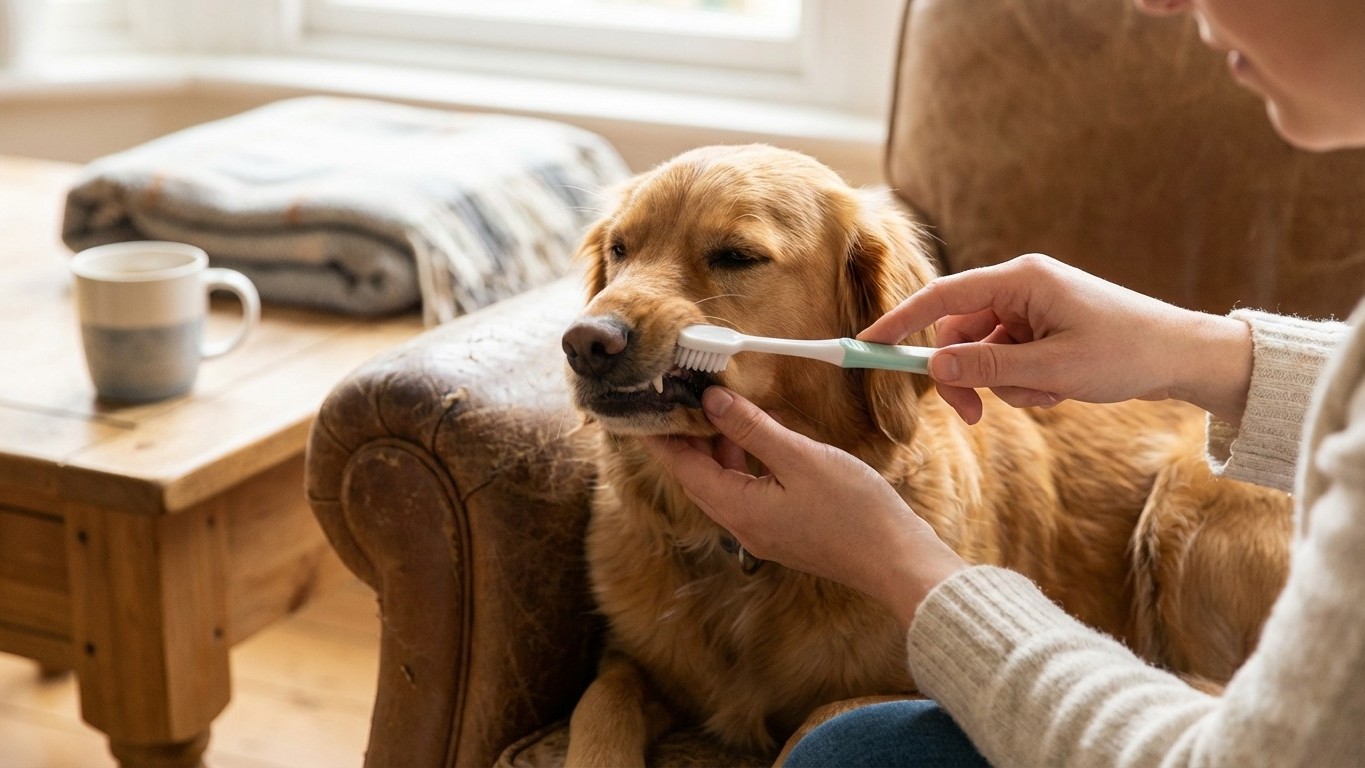
Start slow. Introduce gentle mouth handling without the brush, reward with praise or a special treat, and make it part of a calming routine. Once your pet is comfortable, a pet-specific toothbrush (never a human one) and a veterinary toothpaste (never human paste, which may contain xylitol or fluoride, both toxic to animals) can gently clean those molars and canines. Frequency matters: a daily brush is the goal, but even a few times a week can reduce risk of disease.
For cats, patience is, as always, a necessary companion. Choose a soft finger brush, dab a meaty paste on the end, and let them lick it off before even attempting brushing. For dogs, especially the stubborn or playful types, make it a game: plenty of fuss, rewards, maybe a little silly singing. You’ll be surprised how quickly it becomes routine, rather than a wrestling match.
What To Do If Brushing Isn’t Possible?
Of course, some animals, seniors with sore mouths, rescue pets with old bad memories, the terminally shy — simply won’t tolerate a toothbrush. If you’re one of those owners, there are alternatives to support dental health, though none are quite so effective as brushing. Veterinary-approved dental chews, dental diets, rinses, and water additives all play a supporting role. But these products should be approached with a question mark: not every treat advertised as “dental” offers measurable benefit. Look for the VOHC seal (that’s the Veterinary Oral Health Council) when choosing products, as this independent group tests claims rigorously.
Regular dental check-ups are equally important. Many pet owners assume yearly vaccination appointments cover teeth, but unless you specifically ask, a brief lift of the lips won’t catch everything. Ask your vet for a thorough mouth examination, and don’t be shy about repeating it between visits if you suspect any problems. Remember, your vet is the top authority for any health worries or if you have questions about the best home-care regime. And for pets needing professional cleaning, modern anaesthetics and pain relief mean treatment isn’t the ordeal it once was.
There was a time when people thought of tartar as a “sign of age,” as if a bit of tooth decay were a badge of longevity. Thankfully, we now know better: a sparkling grin isn’t just about looking lovely in photos. It’s a window to overall health, a small but loyal investment in your pet’s well-being.
What if, ten years from now, the idea of “dog breath” is as outmoded as chain leads and green-tinged fish tanks? Dental care for pets is still young in the grand sweep of animal welfare, perhaps, in a generation, we’ll look back at ignored brushing with the same incredulity we feel about smoking indoors. Our animals deserve the same, if not better, care than we give ourselves. Their smiles, silent as they may be, speak volumes.