
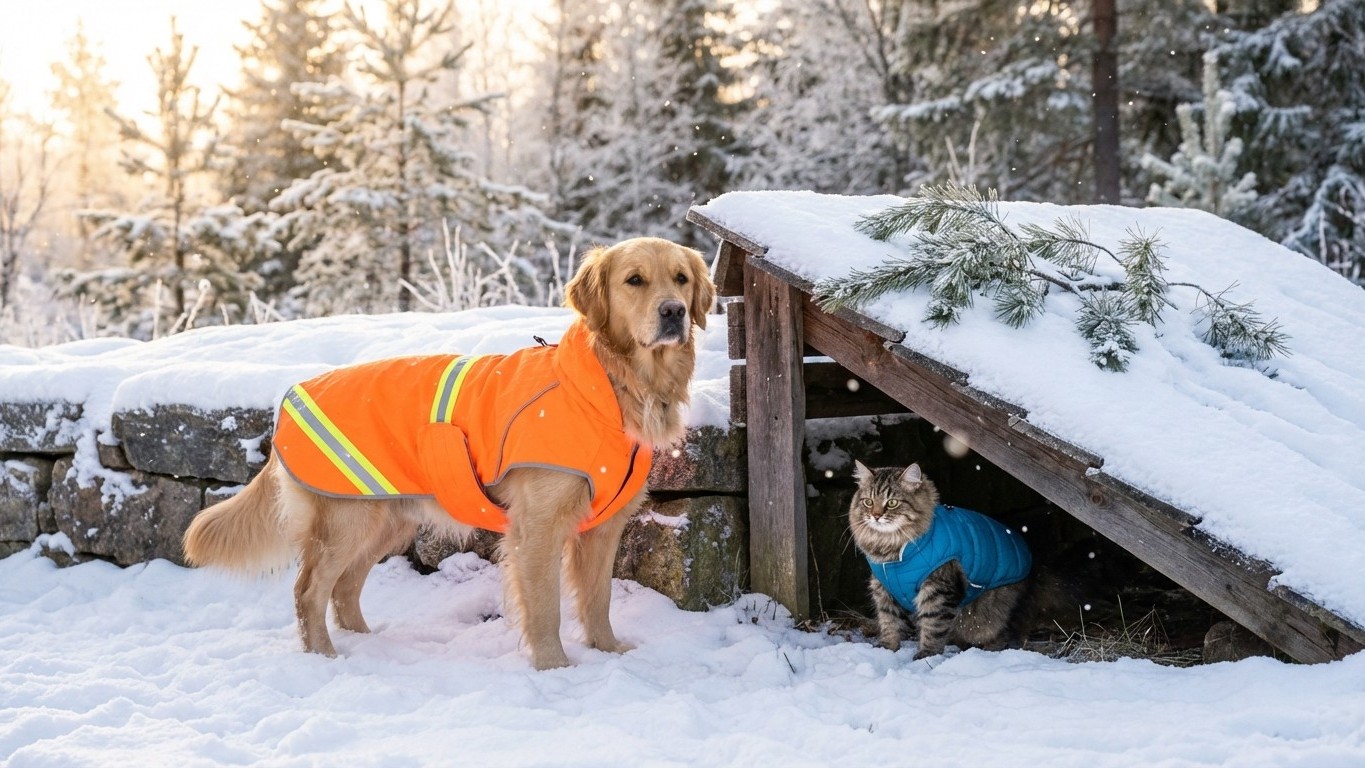
As winter’s chill sets in, pet owners often wonder whether it’s safe to take their dogs and cats outside in freezing temperatures. While our furry companions have natural coats, they aren’t impervious to the cold. Understanding how to protect them during the frosty months is essential for their well-being.
Key takeaways
- Does your pet really need outdoor time in freezing temperatures?
- What are the hidden dangers every cold-weather pet owner should know?
- How can you effectively shield your furry friend from winter’s harsh grip?
Understanding Your Pet’s Cold Tolerance
Not all pets handle the cold in the same way. Factors such as breed, age, health status, and coat type play significant roles in their ability to withstand low temperatures. For instance, short-haired breeds, puppies, senior pets, and those with existing health conditions are more susceptible to the cold. The RSPCA advises that animals with shorter coats may feel the effects of cold Weather more acutely and might benefit from wearing a warm sweater or coat during walks. pets
Recognising Signs of Cold Stress
It’s crucial to monitor your pet for signs that they’re too cold. Symptoms include shivering, reluctance to move, whining, and seeking shelter. Prolonged exposure can lead to hypothermia, a serious condition that requires immediate veterinary attention. The Met Office, in collaboration with the British Veterinary Association, emphasizes the importance of providing a warm, draught-free shelter for pets during cold spells. looking after your pets during colder weather
Protective Measures for Outdoor Activities
If you decide to take your pet outside during freezing weather, consider the following precautions:
- Limit Exposure: Opt for shorter, more frequent walks to reduce the risk of cold-related health issues. protect dogs cats against cold this winter emergency vet issues alert to pet owners as temperatures plummet 3946439
- Protective Clothing: Equip your pet with a well-fitting, non-restrictive, waterproof coat to help keep them warm and dry. fight the freeze
- Paw Care: After walks, wipe your pet’s paws to remove ice, salt, and chemicals that can cause irritation or be ingested during grooming. how to keep your pets safe in cold weather
- Visibility: Use reflective gear or light attachments during walks to ensure both you and your pet are visible in low-light conditions. cold dog walk safety tips
Indoor Enrichment and Safety
When outdoor conditions are too harsh, keeping your pet entertained indoors is vital. Provide enrichment toys and feeders to keep them mentally and physically stimulated. Ensure their sleeping areas are warm and away from draughts. For cats, offering litter trays indoors can prevent the need to venture outside in severe weather. keeping companion animals safe in winter
Special Considerations for Cats
Cats often seek warmth in dangerous places during cold weather, such as under car hoods. Before starting your vehicle, it’s advisable to bang on the hood to alert any hidden felines. Additionally, providing outdoor shelters can offer stray or feral cats a safe haven from the cold. cats
Hazards to Avoid
Be aware of substances like antifreeze, which is highly toxic to pets. Even small amounts can be fatal. Store such chemicals securely and clean up any spills immediately. looking after your pets during colder weather
In conclusion, while it’s possible to take Your Dog or Cat outside during freezing temperatures, it’s essential to assess their individual tolerance and take appropriate precautions. Always consult with your veterinarian if you have concerns about your pet’s health during the winter months.