
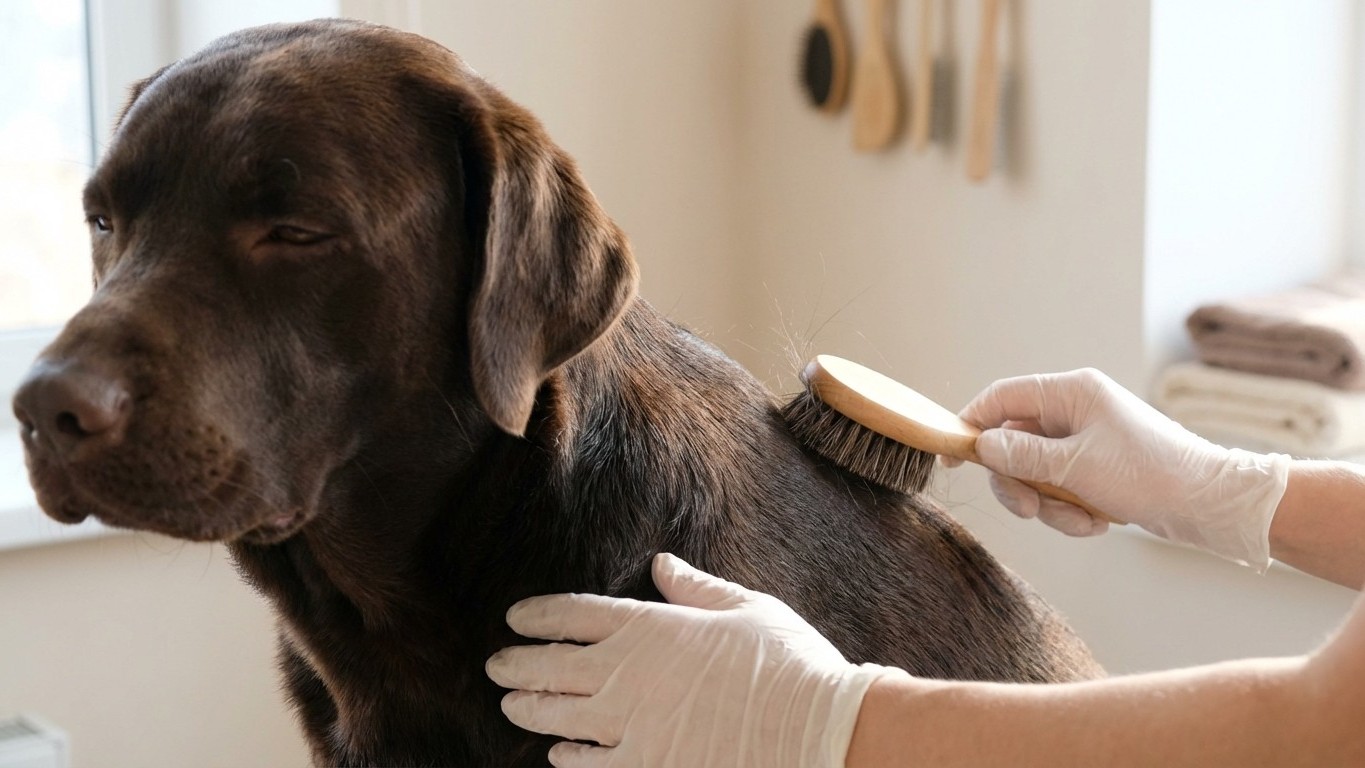
Short-haired dogs are often sold as the easy option. Less grooming, less mess, less faff. And if you’ve ever stood in a pet shop or scrolled through a breed comparison website, you’ll have seen that promise repeated endlessly. The reality, as any Labrador owner frantically hoovering their sofa for the third time this week will tell you, is considerably more complicated.
Short coats do simplify some aspects of dog ownership, but they don’t eliminate grooming needs, and they certainly don’t guarantee a hair-free home or an allergy-friendly household. This guide cuts through the most persistent myths, profiles the breeds worth knowing, and gives you the practical information you actually need to make the right choice.
What Does “Short-Haired” Actually Mean, and Why the Definition Matters
Defining a short coat
A short-haired dog is broadly understood as one whose coat lies close to the skin, typically under five centimetres in length, with no significant feathering on the legs, ears or tail. But within that definition, enormous variation exists. A Whippet’s coat is so fine it’s almost translucent in sunlight. A Staffordshire Bull Terrier has a dense, tightly packed coat that feels entirely different to the touch. A Beagle, technically short-haired, carries a double coat that sheds prolifically across every season.
This distinction between single and double coats is where many owners get caught out. Single-coated short-haired breeds, like the Italian Greyhound or the Vizsla, tend to shed minimally and are relatively low-maintenance. Double-coated short-haired breeds, including the Labrador Retriever, the Boxer, and the aforementioned Beagle, produce a remarkable volume of loose fur throughout the year, with two particularly intense shedding seasons in spring and autumn.
Iconic examples of short-haired breeds
The breeds most people picture when they think “short-haired dog” cover an enormous range of sizes, temperaments and energy levels. Labrador Retrievers remain the most popular dog in the UK year after year. French Bulldogs have exploded in popularity over the past decade, though their breeding history raises serious welfare concerns worth understanding before committing to one. Dalmatians, Weimaraners, Dobermanns, Basset Hounds, Boston Terriers, Jack Russell Terriers, Pugs, and the sleek Pharaoh Hound all fall under the short-haired umbrella, each with very different care requirements.
Grooming a Short-Haired Dog: Easier, But Not Effortless
Basic brushing and coat care
A rubber grooming mitt or a soft-bristle brush used once or twice a week is usually sufficient for most short-haired breeds. The goal is twofold: removing loose hairs before they migrate to your furniture, and stimulating the skin’s natural oils to keep the coat looking glossy. For dogs with particularly fine coats, like Greyhounds or Whippets, even this light weekly session can feel like a spa treatment they genuinely enjoy, and it gives you the opportunity to check for any lumps, cuts or skin irritation that might need attention.
Bathing frequency depends more on lifestyle than coat length. A short-haired dog who loves rolling in fox mess (a surprisingly universal canine hobby) will need washing far more regularly than a less adventurous breed. Generally, every four to six weeks is a reasonable rhythm, using a mild dog-specific shampoo. Over-washing strips natural oils and can lead to dry, flaky skin, particularly in breeds already prone to skin sensitivity, such as the Shar Pei or the Dalmatian.
Shedding: myth versus reality
Here’s the question that catches most first-time owners off guard: do short-haired dogs shed less? The honest answer is no, not necessarily. Labradors, Beagles, and Pugs are among the heaviest domestic shedders in the UK, all of them technically short-haired. Their individual hairs may be shorter and therefore less visually dramatic than a Golden Retriever’s long strands, but the sheer volume is comparable, and short hairs have an uncanny ability to weave themselves into fabric in ways that make removal genuinely difficult.
If managing loose fur is your primary concern, coat length is the wrong variable to focus on. Consult our low shedding dog breeds guide for a more accurate way to identify breeds that genuinely produce less loose hair, regardless of coat length.
Short-Haired vs Long-Haired and Hypoallergenic Breeds: A Practical Comparison
What to realistically expect in terms of hair volume
Long-haired breeds like the Afghan Hound or the Rough Collie produce long individual hairs that clump visibly on floors and furniture, which many people find psychologically more distressing than the fine dust-like shedding of a short-coated Pug. But long-haired breeds that are single-coated, such as the Maltese or the Yorkshire Terrier, can shed considerably less overall than their short-coated double-coated counterparts. It seems paradoxical, but coat texture and the number of layers matter more than length.
If you’re comparing your options and wondering about the broader picture, our dog breeds guide covers the full spectrum of coat types and how they correspond to different lifestyle requirements.
Skin sensitivity and specific needs
Wrinkled short-haired breeds, think Bulldogs, Shar Peis, and Pugs, require targeted care that goes beyond the coat itself. The skin folds trap moisture, dead cells and bacteria, and without regular cleaning, they can become sore and infected. This is a welfare issue that often surprises new owners who assumed a short coat meant minimal grooming. Similarly, breeds with minimal body fat and thin coats, particularly Greyhounds, Whippets and Italian Greyhounds, can struggle with skin abrasions and temperature regulation in cold weather.
Which Short-Haired Breeds Suit Which Owners
Matching a dog to your lifestyle matters far more than coat length. That said, some short-haired breeds do align naturally with specific living situations.
Families with young children often do well with Boxers, Labradors, and Staffordshire Bull Terriers, all robust, patient, and genuinely enthusiastic about chaotic domestic life. The trade-off is that all three are heavy shedders and require significant daily exercise. For older owners or those in smaller homes, a Basenji (one of the quietest dogs alive, with a cat-like tendency to self-groom) or a Miniature Pinscher might offer a more manageable combination of short coat, moderate size and lower exercise demands.
Active individuals or runners will find the Vizsla or the Weimaraner an exceptional match. Both are short-coated, minimal shedders by the standards of sporting dogs, and have an almost bottomless appetite for physical activity. Leave either of them without enough stimulation and you’ll find out very quickly that a bored Weimaraner is one of the most creative problem-solvers in the canine world, usually at your expense.
The Most Common Misconceptions About Short-Haired Dogs
Grooming effort: between myth and reality
The biggest misconception is the idea that short-haired dogs are essentially self-maintaining. They’re not. Nail trimming, ear cleaning, dental care, skin fold management (where relevant), and seasonal de-shedding all apply regardless of coat length. What short-haired breeds do offer is a reduction in one specific type of grooming: detangling and coat trimming. There are no mats to comb out, no professional scissoring required. That’s a genuine saving of time and money, but it’s worth keeping it in perspective.
Allergies: what’s true and what isn’t
The belief that short-haired dogs are safer for allergy sufferers is one of the most stubborn myths in pet ownership. Human allergic reactions to dogs are primarily triggered by a protein called Can f 1, found in dog saliva, skin cells and urine, not in the fur itself. Short-haired dogs shed the same dander as long-haired ones. Some short-haired breeds, like the Poodle cross, which have curly or wiry coats, may trap dander closer to the body rather than releasing it into the air, but truly short, smooth-coated breeds offer no allergy advantage.
If allergies are a concern for your household, our hypoallergenic dog breeds guide explains what the term actually means scientifically, and our broader hypoallergenic dog breeds guide covers shedding, grooming and coat management across breed types in practical detail.
Top 10 Short-Haired Breeds at a Glance
Rather than a rigid comparison table, here’s a realistic snapshot of ten breeds worth knowing, with the key variables that actually matter for day-to-day life.
The Labrador Retriever is friendly, versatile and deeply trainable, but sheds heavily year-round and needs substantial daily exercise. The French Bulldog is affectionate and compact, suits flat living, but carries significant health risks associated with its brachycephalic (flat-faced) structure and requires vigilant skin fold care. The Boxer is playful, loyal and excellent with children, moderate-to-high shedder, high exercise needs. The Vizsla is athletic, sensitive and very low shedding for its size, but demands a genuinely active owner. The Beagle is sociable and curious, though a prolific shedder with a notoriously independent nose that makes reliable off-lead recall a challenge. The Staffordshire Bull Terrier is affectionate, robust and low maintenance coat-wise, though its strength and enthusiasm require consistent training from puppyhood. The Weimaraner is sleek, energetic and striking, suited to experienced owners who can meet its considerable exercise and mental stimulation requirements. The Dalmatian is distinctive, active and medium-shedding, with a reputation for stubbornness that belies genuine intelligence. The Basenji is unusually quiet, self-grooming and low shedding, though its independence makes training an interesting long-term project. The Whippet rounds out the list as a gentle, low-shedding and surprisingly calm housemate, with bursts of extraordinary speed outdoors and a deep love of the sofa indoors.
Year-Round Coat Care: Practical Advice by Season
Spring and autumn are peak shedding periods for double-coated short-haired breeds. During these windows, increasing brushing to three or four times a week with a rubber de-shedding tool will significantly reduce the volume of fur that ends up on your floors and clothes. A warm bath followed by a thorough blow-dry (on a low, cool setting) can help loosen the undercoat and speed up the transition.
In summer, thin-coated breeds like Greyhounds and Whippets can be at risk of sunburn on exposed skin, particularly on the nose and ears. There are dog-safe sunscreen products available for these areas, and your vet can advise on what’s appropriate. Conversely, short-coated dogs with minimal body fat will feel the cold acutely in winter. A well-fitting dog coat isn’t a fashion accessory for these breeds; it’s a welfare necessity.
Throughout the year, watch for signs of skin irritation: persistent scratching, redness, flaking, or a musty smell that doesn’t resolve after bathing. Any of these warrant a vet visit rather than a home remedy. Short coats make it easier to spot developing skin issues early, which is one genuine advantage they do offer.
Your Questions Answered
Do short-haired dogs shed less than long-haired dogs? Not reliably. Shedding volume depends on coat type (single versus double), individual genetics and health, not coat length. Some of the heaviest domestic shedders in the UK are short-haired breeds.
Do you need to brush a short-haired dog less often? You can get away with less frequent brushing, yes. Once or twice a week is typically sufficient. But skipping brushing entirely leads to loose hair on furniture and misses opportunities to spot skin problems early.
Are short-haired dogs better for allergy sufferers? No. Allergic reactions to dogs are caused by proteins in saliva and dander, not the fur itself. Short coats provide no immunological advantage. If allergies are a concern, research specific breeds for lower dander production, not shorter coats.
Which short-haired breeds need the least grooming? The Basenji, Whippet, Italian Greyhound and Vizsla are generally considered low maintenance from a coat perspective, combining minimal shedding with a smooth, single-layer coat that requires little intervention.
Choosing a dog based on coat length alone is a bit like choosing a house purely by the colour of the front door. It tells you something, but not nearly enough. The breeds that will genuinely suit your life are the ones whose exercise needs, temperament, health profile and social requirements fit how you actually live, not just how much time you’re willing to spend with a hoover.