
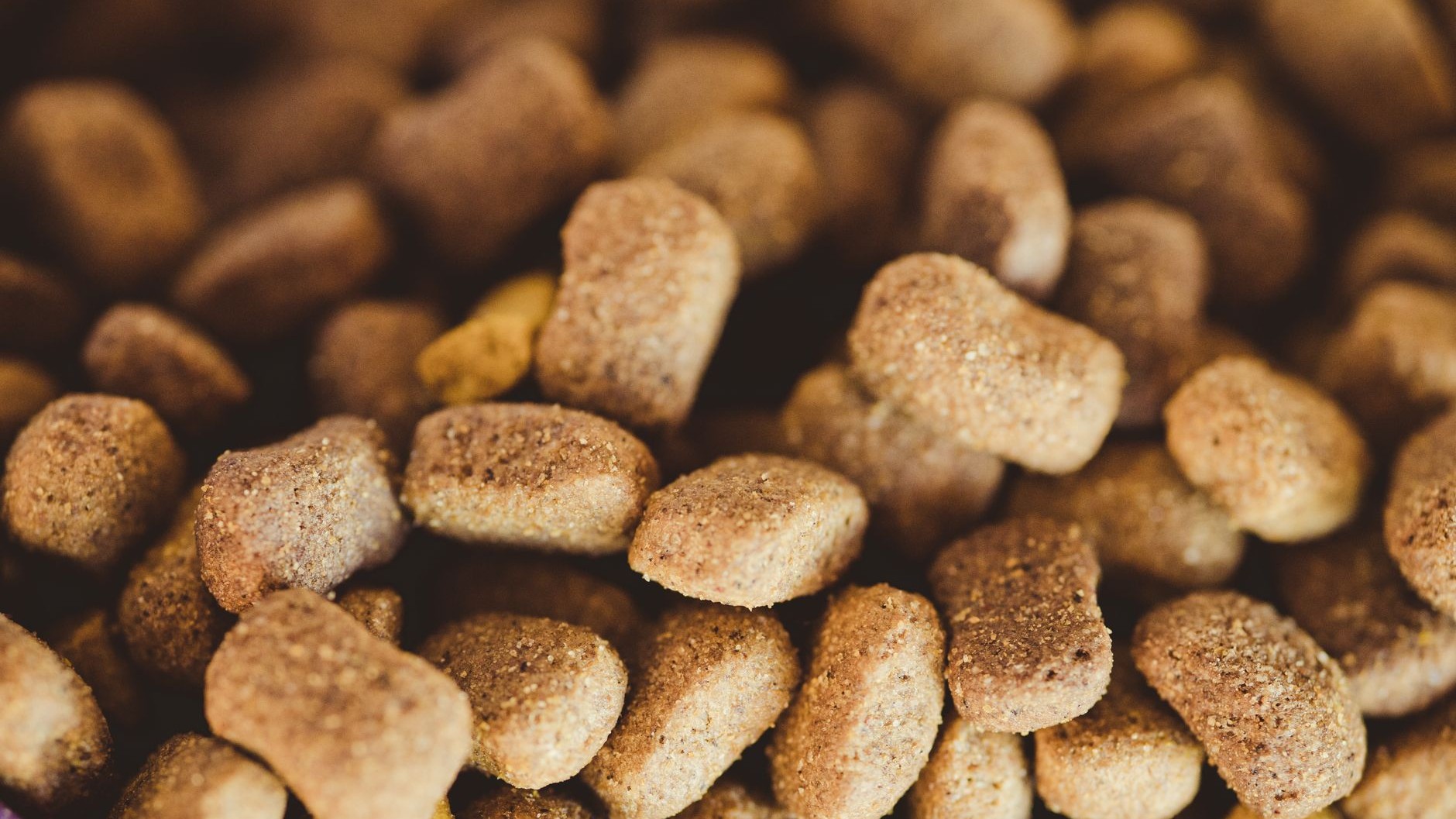
Eight months of insect-based kibble, and it was a routine blood panel, not the packaging, that told my cat’s real story. The bag promised “complete and balanced nutrition” in cheerful green lettering. What it didn’t mention was how the manufacturing process itself can strip away one of the nutrients cats cannot live without.
My cat, a fourteen-year-old tabby called Bramble, had been eating the same chicken-based kibble for years before I switched him to a black soldier fly larvae formula. The sustainability argument won me over instantly. Raising livestock for pet food chews through resources, and raising food animals like chickens, cattle and pigs for pet food produces significant amounts of greenhouse gases and is not very sustainable. Insects, by contrast, seemed like the obvious fix. Insect farming uses far less land, water and energy than traditional livestock farming, and producing 1 gram of protein from mealworms requires up to 14 times less land than beef, releasing far fewer greenhouse gases. An average cat’s diet alone can generate roughly 310kg of CO2 equivalent a year, so shaving that down felt like a genuinely worthwhile swap.
Key takeaways
- A ‘complete and balanced’ label proved to be a legal minimum, not a personalized guarantee for an aging cat with specific health needs
- Heat processing destroys taurine, and insects naturally contain lower taurine levels than traditional proteins—a one-two punch the packaging never explained
- The environmental case for insect protein sounds compelling, but responsibly sourced offal may actually beat insects on emissions while keeping feline nutrition intact
The vet visit that changed everything
At Bramble’s annual check-up, our vet listened to his heart for slightly longer than usual. Nothing dramatic, no gasping or collapse, just a faint irregularity she wanted to investigate with an echocardiogram. The concern was taurine, the amino acid cats cannot manufacture themselves. Low blood or plasma taurine concentrations in strict carnivores have been directly linked to retinal degeneration and cardiomyopathy, making taurine an essential amino acid for cats. Vitamin-style deficiencies like this can creep up silently for months before any visible symptom appears, which is exactly why an annual blood and cardiac screen matters more than watching for obvious signs at home.
Here’s the detail the bag never flagged: taurine is heat-sensitive, and the high-temperature extrusion process used to make dry kibble destroys a significant portion of whatever taurine was originally present in the raw ingredients. Insects do contain some natural taurine, but insects naturally contain lower taurine levels than some traditional ingredients to begin with, so there’s less margin for loss during processing. Manufacturers are supposed to compensate for this with synthetic taurine added after extrusion, and commercial cat foods usually include added taurine regardless of the primary protein source. My bag of kibble did list taurine on the ingredients panel. What it didn’t disclose was the margin between the guaranteed analysis figure and what actually survives processing and digestion in a fourteen-year-old cat with slightly reduced kidney function, which affects how efficiently nutrients are absorbed in the first place.
Why the label wasn’t lying, exactly
This is the bit that frustrated me most as I dug into it. Regulatory bodies do set clear thresholds. The Association of American Feed Control Officials sets minimum taurine requirements for cat food, with adult cats needing a minimum of 0.1% dry matter in extruded dry food, while wet and canned foods require a higher minimum of 0.2% dry matter because taurine bioavailability is lower in moist, heat-processed formats. My food met the letter of that standard on paper. But “meets AAFCO minimums” is a floor, not a guarantee tailored to an individual cat, especially an older one, a kitten, or anything with an underlying health condition that changes absorption. Cats are also unlike us in a fundamental way: cats are obligate carnivores requiring taurine, arginine, and specific sulfur-containing amino acids that simply cannot be substituted by clever plant or insect engineering alone.
None of this means insect protein is a scam. Studies suggest insect protein is highly digestible for cats, with digestibility coefficients comparable to chicken meal, and plenty of cats do well on it long term, particularly those with genuine meat allergies. But the sustainability pitch on the packaging rarely mentions processing losses, individual absorption differences, or the fact that “complete and balanced” is a legal minimum threshold rather than a promise tailored to your specific cat.
The carbon footprint claim isn’t quite what it seems either
Since I’d switched Bramble primarily for environmental reasons, I went looking for how much difference it genuinely made. The answer humbled me a bit. One UK-based welfare analysis found that an insect-based meal may produce 17% less CO2 than chicken breast, but a meal enriched with responsibly sourced offal produces around 95.7% less CO2 than standard chicken, dwarfing the insect saving. Some of the eye-catching insect statistics floating around actually come from human food supply chain comparisons, and that carbon emission comparison stems from the human food supply chain, which involves intricate factors like transportation, processing and consumer demand, so applying these calculations directly to pet food doesn’t provide an accurate representation of the ecological footprint. Feeding your cat responsibly sourced offal or by-products from the human meat industry can, in some cases, beat insect protein on emissions while keeping a nutrient profile closer to what a carnivore evolved to eat.
What I’d actually do differently
I haven’t switched Bramble back. His echocardiogram came back reassuring, his taurine levels have been corrected with a supplement the vet prescribed, and we now do a cardiac check every six months instead of waiting for the annual one. But I read labels completely differently now. Before trying any novel protein, ask your vet to check baseline taurine and run a cardiac listen first, then repeat that screening at the six-month mark rather than the standard twelve. Look specifically for a stated taurine percentage on the guaranteed analysis, not just the word “taurine” somewhere in the ingredients list, and ask the brand directly whether that figure was measured after extrusion or before it. Sustainability is worth pursuing, genuinely, but a kibble bag is a marketing document first and a nutrition document second. The vet’s stethoscope caught what the label never had to say out loud.
Sources : ncbi.nlm.nih.gov | cbc.ca