
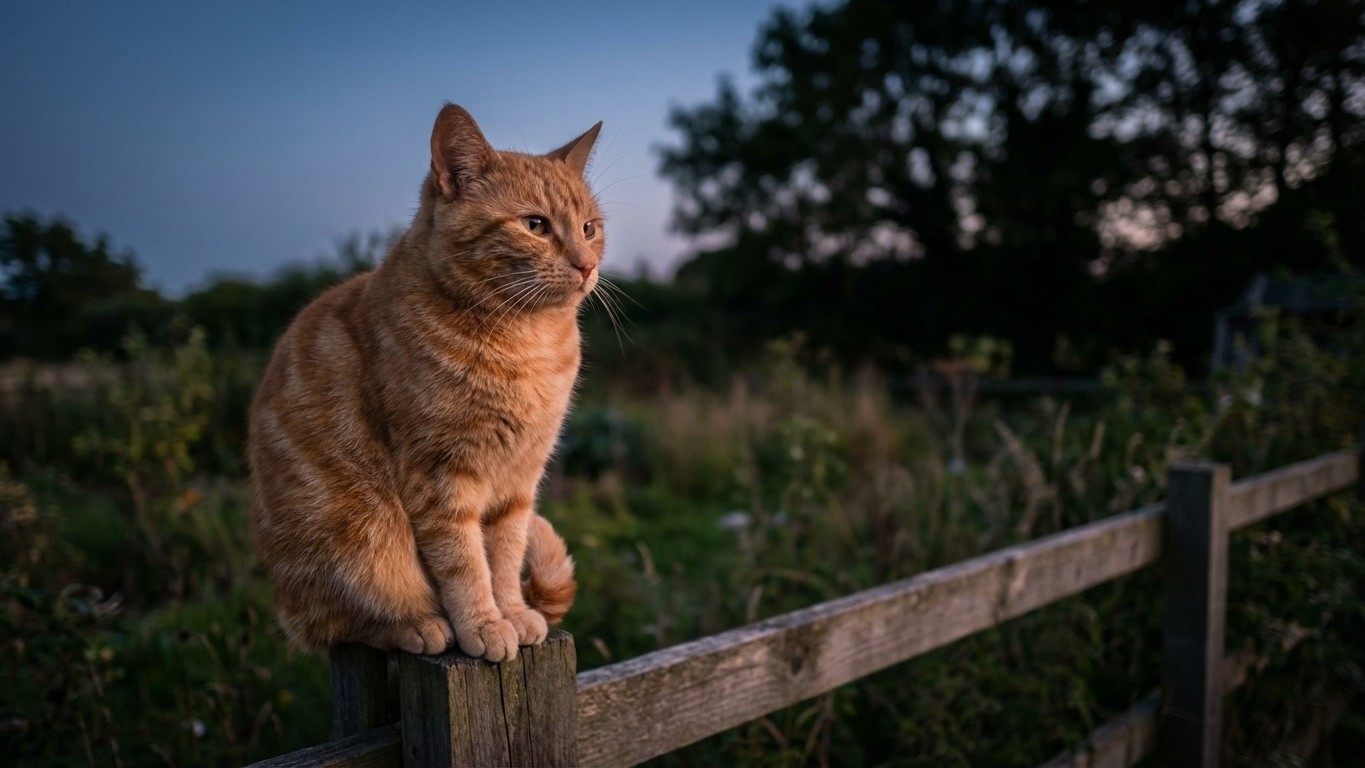
As February unfolds, you might notice your cat’s sudden desire to stay out all night, leaving you puzzled and perhaps a bit concerned. This behaviour isn’t uncommon and can be attributed to several factors, including natural instincts, environmental changes, and social dynamics.
Key takeaways
- Uncover the mysterious shift in your cat’s nighttime behavior this February.
- Explore how seasonal changes impact feline instincts and social habits.
- Learn the warning signs that mean it’s time to consult your vet.
Understanding Your Cat’s Nocturnal Instincts
Cats are crepuscular creatures, meaning they’re most active during dawn and dusk. This behaviour is deeply rooted in their ancestry, as these times are optimal for hunting. Even domesticated cats retain this instinct, often becoming more active during these periods. In February, as daylight hours gradually increase, your cat’s internal clock may adjust, leading to heightened activity in the early morning and evening. This shift can result in your cat wanting to spend more time outdoors during these hours.
Environmental Factors and Seasonal Changes
February marks the transition from winter to spring in the UK, bringing milder temperatures and longer days. These changes can stimulate your cat’s desire to explore and engage with their environment. Additionally, the breeding season for many animals begins around this time, leading to increased activity among local wildlife. Your cat may be responding to these environmental cues, seeking out the sights, sounds, and scents that accompany the changing season.
Social Dynamics and Territorial Behaviour
Cats are territorial animals, and their desire to patrol and defend their territory can intensify during certain times of the year. The onset of spring can lead to increased encounters with other cats, either through scent markings or direct interactions. Your cat’s extended outdoor excursions may be a response to these social dynamics, as they seek to establish or maintain their presence in the neighbourhood.
When to Be Concerned
While it’s natural for cats to exhibit increased outdoor activity during this time, certain signs may indicate underlying issues:
– **Changes in Appetite or Weight:** A sudden decrease in appetite or noticeable weight loss could signal health problems.
– **Altered Behaviour:** If your cat becomes unusually aggressive, withdrawn, or displays signs of stress, it’s worth investigating further.
– **Physical Injuries:** Visible wounds, limping, or other signs of injury should prompt a visit to the vet.
If you observe any of these signs, consult your veterinarian to rule out medical issues.
Ensuring Your Cat’s Safety
To keep your cat safe during their nocturnal adventures, consider the following:
– **Keep Them Indoors at Night:** Cats Protection recommends keeping cats indoors at night to reduce the risk of road traffic accidents and fights with other animals. cats.org.uk
– **Provide Enrichment:** Ensure your cat has plenty of toys and activities to keep them stimulated indoors, reducing their desire to roam.
– **Regular Health Checks:** Schedule routine veterinary visits to monitor your cat’s health and address any concerns promptly.
Understanding your cat’s behaviour and taking proactive steps can help ensure their well-being during this transitional period.