
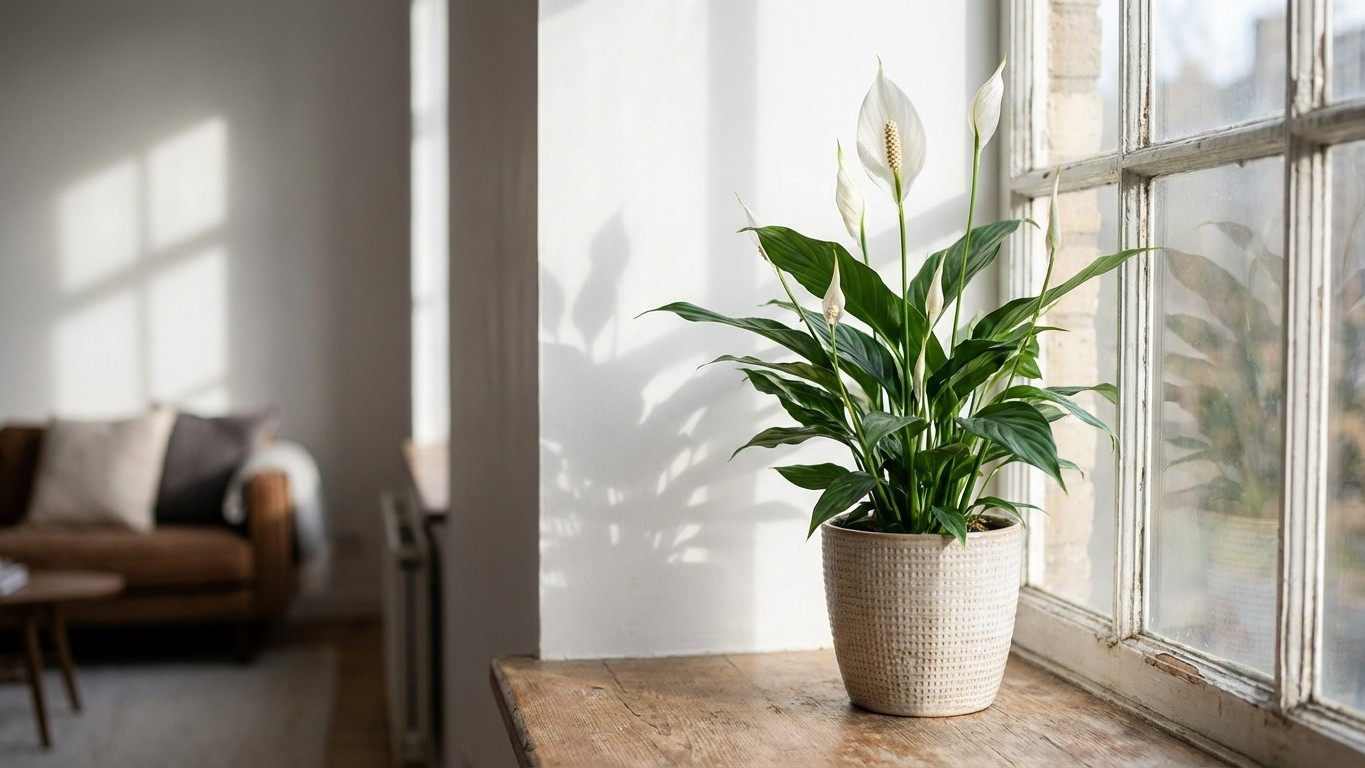
The peace lily sat on my windowsill for three years before anyone questioned it. Elegant, low-maintenance, perpetually green, it felt like the perfect houseplant. Then a routine vet visit changed everything, when a casual mention of my home décor prompted a look of genuine concern from the vet. That single conversation sent me down a rabbit hole of research that, honestly, unsettled me more than I expected.
Toxic houseplants are one of those subjects that cat owners tend to discover too late. The list of common plants that pose a real danger to cats is longer than most people realise, and the troubling part is that many of them are absolute staples of British homes and gardens, the kind you’d find in any IKEA, garden centre, or supermarket flower aisle without a single warning label in sight.
Key takeaways
- Your favorite houseplants may contain hidden toxins that affect cats in ways you’ve never considered
- Some common flowers are so dangerous that even touching pollen can trigger life-threatening kidney failure
- Pet owners are kept in the dark while garden centres stock plants with no warning labels whatsoever
The plants hiding in plain sight
Peace lilies (Spathiphyllum) are often cited as one of the most deceptive offenders. They look harmless, almost medicinal in their calm, white-flowered simplicity, but they contain calcium oxalate crystals that cause oral irritation, excessive drooling, and in some cases vomiting if a cat chews on the leaves. But the peace lily, troubling as it is, isn’t even the most dangerous plant a cat might encounter indoors.
True lilies, the Lilium and Hemerocallis (daylily) families, are in a different category of danger entirely. These include Easter lilies, tiger lilies, Asiatic lilies, and stargazer lilies, all of which are genuinely life-threatening to cats. Every single part of the plant is toxic: the pollen, the stem, the leaves, even the water in the vase. Ingestion of a very small amount can cause acute kidney failure. A cat that brushes against a lily and then grooms pollen from its coat is at serious risk. This is not alarmist rhetoric, vets across the UK treat cases of lily poisoning every year, with a significant proportion linked to bouquets given as gifts.
There’s something almost cruel about that irony. A bunch of flowers bought with love, arranged beautifully on a kitchen table, could be the most dangerous thing in the room for a curious cat.
A longer list than you’d expect
Once you start looking, the sheer variety of problematic plants is enough to make any cat owner take stock of every room. Pothos (those trailing green vines that are basically unkillable) contain the same calcium oxalate crystals as peace lilies. Dieffenbachia, the glossy tropical plant nicknamed “dumb cane,” causes intense oral pain and swelling if chewed. Aloe vera, often kept in kitchens for minor burns and cuts, is mildly to moderately toxic to cats, causing digestive upset and lethargy.
Outdoor gardens bring their own set of concerns. Foxglove, autumn crocus, and wisteria are all toxic to varying degrees, and spring bulbs, tulips, hyacinths, and daffodils, are particularly hazardous, with the bulb being the most concentrated source of toxins. Cats who dig in gardens or have access to freshly Planted beds are especially vulnerable during autumn planting season.
Sago palm deserves its own mention, because despite being less common in British homes, its toxicity is severe enough that even a small amount of ingestion can cause liver failure. Any cat owner who keeps one should rehome the plant, full stop.
What to watch for, and what to do
Symptoms of plant toxicity in cats vary depending on what they’ve ingested, but there are patterns worth knowing. Vomiting and drooling within minutes of chewing a plant suggest oral irritants like calcium oxalate. Lethargy, loss of appetite, and changes in urination over 24 to 72 hours can signal kidney involvement, which is particularly associated with lily toxicity. Tremors, seizures, or collapse point to neurological toxins and require immediate emergency care.
If you ever see your cat chewing on a plant you’re unsure about, or find a suspicious plant half-eaten, the right move is to contact your vet or the Animal Poison Line (a UK-based service that handles exactly these calls) Without waiting for symptoms to appear. Time matters enormously with certain toxins, particularly lilies. The earlier treatment begins, the better the outcome. Never attempt home remedies or wait to see if the cat “seems fine”, by the time kidney damage becomes visible through symptoms, the window for Effective treatment may have passed.
Always consult your vet if you have any concern about what your cat may have eaten. This is a situation where a cautious phone call is always worth making.
Creating a cat-safe home without sacrificing your green thumb
The good news, and there genuinely is good news, is that plenty of beautiful plants are completely safe for cats. Spider plants (Chlorophytum comosum) are non-toxic and practically beg to be kept in bright rooms. Boston ferns bring lush texture without any danger. Calathea varieties, with their extraordinary patterned leaves, are safe and increasingly popular in UK homes. Herbs like basil, dill, and coriander are cat-friendly and actually useful in the kitchen.
Cat grass (a mix of wheatgrass, oat grass, or barley) is worth growing on a windowsill simply because it gives cats something appropriate to chew on, which may reduce their interest in your other plants. It’s a small gesture, but cats are nothing if not creatures of convenience.
After my vet conversation, I replaced the peace lily with a calathea and moved a pothos to a hanging shelf that my cat has never shown the slightest interest in scaling. The flat looks much the same. But knowing what I know now, I’ll never arrange a bouquet of stargazers on the kitchen table again, no matter how beautiful they are. Which raises a question I find myself asking at every garden centre visit: why aren’t these warnings printed on the label?