
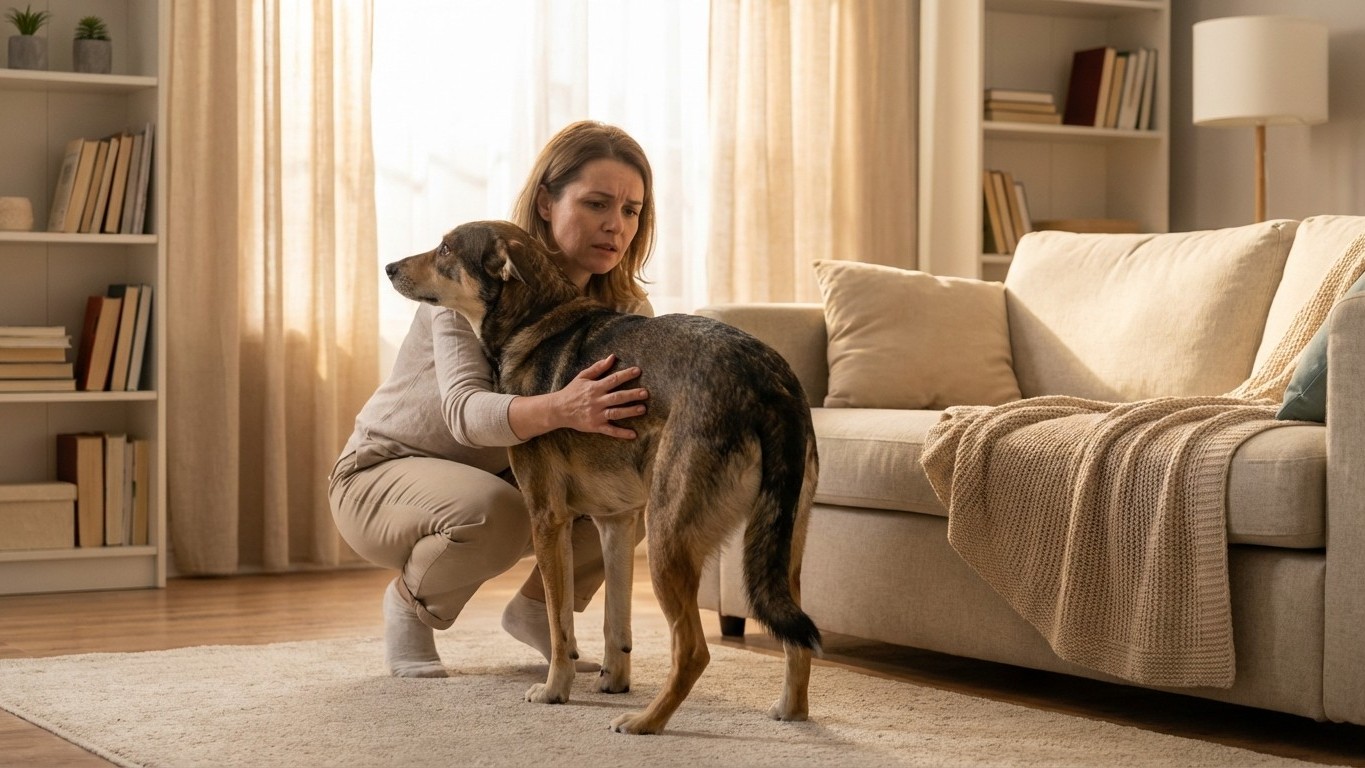
As devoted pet owners, we often express our love through hugs, kisses, and other affectionate gestures. However, recent veterinary insights suggest that some of these well-intentioned actions might be misinterpreted by our furry companions, leading to confusion or even stress. Understanding how pets perceive human affection is crucial for fostering a harmonious relationship.
Key takeaways
- Could your loving gestures be stressing your pet unknowingly?
- Why a dog’s body language often tells a different story than you think.
- Simple signs your pet wants more respect for their boundaries.
Decoding Canine Communication
Dogs communicate primarily through body language, and their interpretations can differ significantly from human intentions. For instance, while humans view direct eye contact as a sign of attentiveness, dogs may perceive it as a challenge or threat. Similarly, a wagging tail doesn’t always signify happiness; the position and movement can indicate various emotions, including anxiety or agitation.
Research indicates that many dog owners struggle to recognize signs of stress in their pets. A study highlighted that nearly 90% of UK dog owners couldn’t identify key stress signals, despite believing they could assess their dog’s emotional state. This gap in understanding can lead to unintentional reinforcement of stress-inducing situations.
Affectionate Gestures: Comforting or Confusing?
Common human displays of affection, such as hugging or kissing, can be perplexing or even uncomfortable for dogs. Unlike humans, dogs don’t naturally embrace each other; a hug can feel restrictive, leading to stress or defensive behavior. Studies have shown that petting a dog on the head, shoulder, or paw can result in increased appeasement gestures and redirected behaviors, indicating discomfort.
Moreover, treating pets like humans, including sharing food or allowing them to lick our faces, can pose health risks. Close contact can facilitate the transfer of antibiotic-resistant bacteria between humans and animals, emphasizing the need for mindful interactions.
Recognizing and Respecting Boundaries
To ensure our affectionate gestures are well-received, it’s essential to observe and respect our pets’ boundaries. Signs of discomfort may include:
- Averting gaze or avoiding eye contact
- Licking lips or yawning
- Tucking tail or lowering body posture
- Attempting to move away or hide
By paying attention to these cues, we can adjust our behavior to make our pets feel more secure and understood.
Building a Trusting Relationship
Fostering a strong bond with your pet involves understanding and respecting their unique communication styles. Instead of imposing human forms of affection, consider engaging in activities that your pet enjoys, such as playtime, walks, or gentle petting in areas they prefer. Consulting with a veterinarian or a professional animal behaviorist can provide personalized guidance tailored to your pet’s needs.
By aligning our expressions of love with our pets’ comfort levels, we enhance their well-being. Also, deepen the mutual trust and affection that form the foundation of our relationship.