
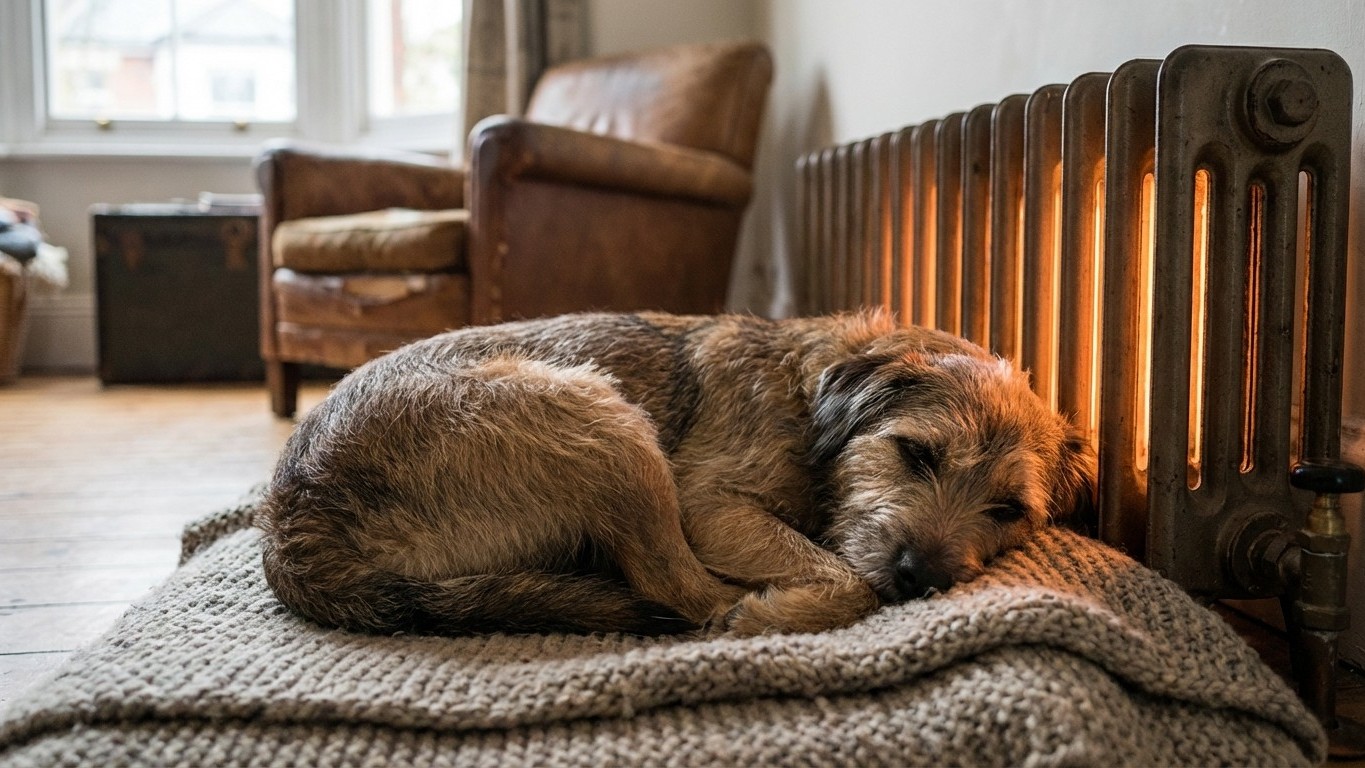
As the chill of winter sets in, many dog owners focus on keeping their pets warm during outdoor activities. However, it’s equally important to ensure our canine companions are comfortable indoors. Dogs can feel cold inside the house, and recognising the subtle signs of their discomfort is crucial for their well-being.
Key takeaways
- Could your dog be shivering indoors without you noticing?
- Why some dogs seek warmth in unexpected ways during winter.
- Simple home tips to keep your furry friend cozy when it’s cold.
Recognising the Signs of a Cold Dog Indoors
Dogs may not always express discomfort overtly, so it’s essential to be attentive to their behaviour and physical cues. Here are some indicators that your dog might be feeling cold inside:
Shivering or Trembling: While shivering can result from excitement or anxiety, it often indicates that a dog is cold. If your dog is trembling without an apparent reason, consider the room’s temperature. peta.org
Seeking Warmth: Dogs naturally gravitate towards heat sources when they’re cold. If your pet is frequently found near radiators, fireplaces, or burrowing under blankets, they might be trying to warm up. rspca.org.uk
Altered Posture: A cold dog may curl up tightly, tucking their tail close to their body to conserve heat. This behaviour is a natural response to feeling chilly. chewy.com
Cold Ears and Paws: Touch your dog’s ears and paws; if they feel unusually cold, it’s a sign that your dog might be too cold. drydogs.co.uk
Reduced Activity: If your dog seems lethargic or reluctant to move around, it could be due to the cold. They might prefer to stay in one spot, especially if it’s warmer. peta.org
Factors Influencing a Dog’s Sensitivity to Cold
Not all dogs experience cold in the same way. Several factors can influence their sensitivity:
Breed and Coat Type: Dogs with short or thin coats, such as Greyhounds or Dobermans, are more susceptible to cold temperatures compared to breeds with thick, double-layered coats like Huskies. bluecross.org.uk
Age and Health: Puppies and senior dogs often have less efficient temperature regulation. Additionally, dogs with certain health conditions may be more vulnerable to the cold. pets4homes.co.uk
Size and Body Fat: Smaller dogs and those with low body fat have less insulation against the cold, making them more prone to feeling chilly. pets4homes.co.uk
Ensuring Your Dog Stays Warm Indoors
to Keep Your Dog Comfortable during the colder months, consider the following measures:
Provide a Warm Sleeping Area: Ensure your dog’s bed is in a warm, draft-free location. Adding extra blankets or a self-warming pet mat can offer additional comfort. petplan.co.uk
Use Dog Clothing: For dogs that are particularly sensitive to the cold, wearing a doggy jumper or coat indoors can help maintain their body heat. bluecross.org.uk
Maintain a Comfortable Room Temperature: Keeping your home at a consistent, warm temperature will help your dog stay comfortable. The RSPCA advises maintaining indoor temperatures between 10°C and 25°C to keep dogs warm during winter. rspca.org.uk
Monitor for Drafts: Check your home for drafts, especially in areas where your dog spends most of their time. Sealing gaps and using draft excluders can help maintain a warmer environment. petplan.co.uk
Engage in Indoor Activities: Keeping your dog active indoors can help generate body heat. Play games, practice training exercises, or provide interactive toys to keep them moving. dogstrust.org.uk
When to Seek Veterinary Advice
If you’ve taken steps to keep your dog warm indoors but they still show signs of being cold, or if they exhibit symptoms like persistent shivering, lethargy, or unusual behaviour, it’s advisable to consult your veterinarian. They can assess for underlying health issues that might be affecting your dog’s ability to regulate their body temperature.
By staying vigilant and proactive, you can ensure your dog remains comfortable and healthy throughout the colder months. Remember, our canine companions rely on us to provide a warm and safe environment, even when they’re indoors.