
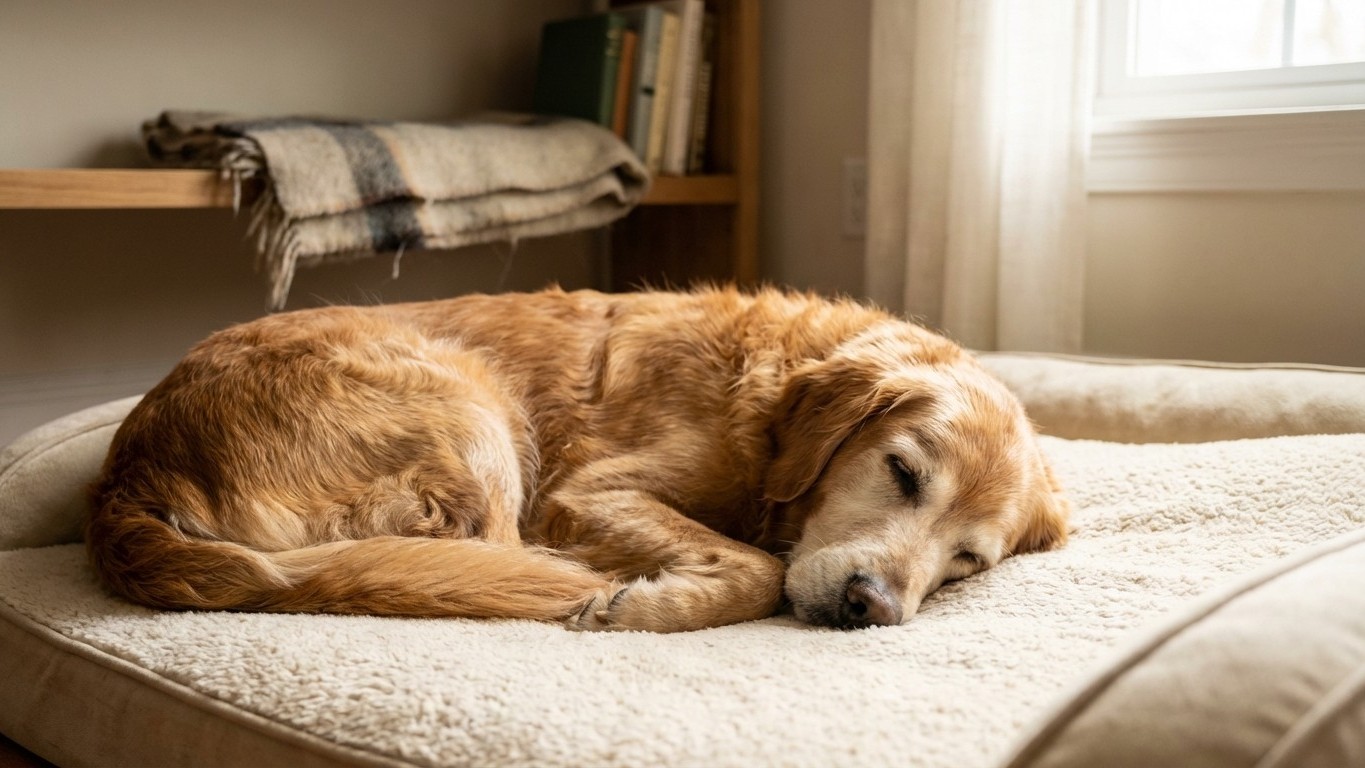
As our beloved dogs and cats enter their senior years, their needs evolve, requiring thoughtful adjustments to their daily care. Implementing small, consistent Changes can significantly enhance their quality of life and potentially extend their time with us. Here are some expert-recommended daily habits to support your aging companions.
Key takeaways
- Unlock the secrets to better aging for your furry friends.
- Explore vital nutrition and mobility tips tailored for seniors.
- Discover home comforts and mental exercises that matter most.
Tailoring Nutrition to Senior Needs
Diet plays a pivotal role in the health of aging pets. As metabolism slows, it’s essential to provide balanced nutrition that supports their changing bodies. Transitioning to a senior-specific diet around the age of seven can be beneficial. These diets are formulated to be lower in calories, helping to prevent weight gain, and often include nutrients that support joint health and digestion. Always consult your vet before making dietary Changes to ensure they meet your pet’s specific needs. rspca.org.uk
Maintaining Mobility Through Gentle Exercise
Regular, gentle exercise helps maintain muscle tone and joint flexibility in older pets. For dogs, shorter, more frequent walks allow them to stay active without overexertion. Cats benefit from interactive play sessions that encourage movement, such as using feather wands or laser pointers. Adjust activities to match your pet’s energy levels, and always monitor for signs of discomfort. woodgreen.org.uk
Ensuring Comfort in Their Environment
Creating a comfortable living space is crucial for senior pets. Provide soft, supportive bedding in a quiet area away from drafts. Ensure that food, water, and litter trays are easily accessible, especially if mobility is an issue. For dogs, consider using ramps to help them access higher areas like sofas or cars. Cats may appreciate additional litter boxes placed on each floor of the home to reduce the need for climbing stairs. livewellvets.co.uk
Regular Health Monitoring and Veterinary Care
Frequent health checks are vital for early detection of age-related issues. Schedule veterinary visits at least twice a year to monitor for conditions such as arthritis, dental disease, or organ dysfunction. At home, observe your pet for changes in appetite, weight, behaviour, or toileting habits, as these can be indicators of underlying health problems. skspethospital.com
Supporting Cognitive Health
Mental stimulation is as important as physical activity for aging pets. Engage your dog with puzzle feeders or scent games to keep their mind active. For cats, introduce new toys or create vertical spaces for climbing and exploration. Regular, gentle training sessions can also reinforce positive behaviours and provide mental engagement. aaha.org
By incorporating these daily habits, you can help ensure your senior dog or cat enjoys a comfortable, healthy, and fulfilling life in their golden years. Always consult with your veterinarian to tailor care routines to your pet’s individual needs.