
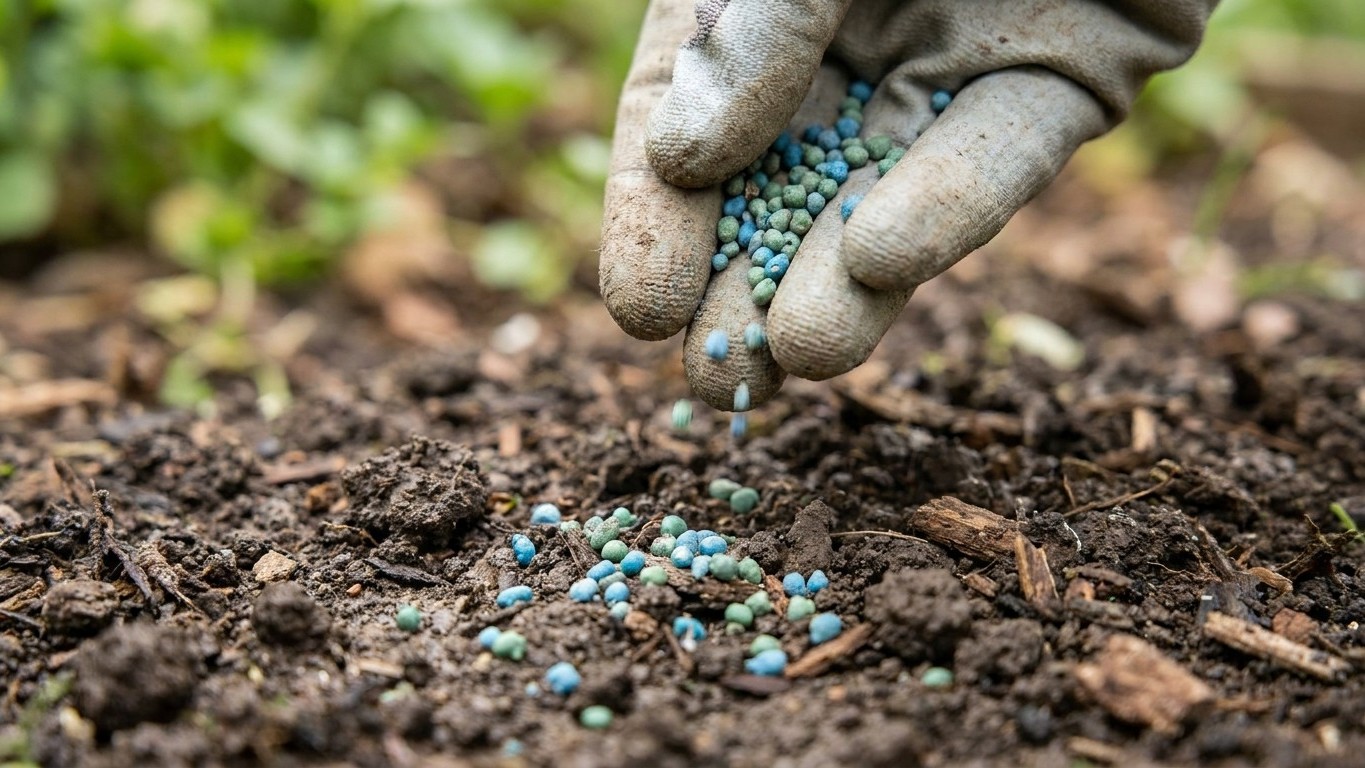
Slug pellets and cats make a genuinely lethal combination. Those small, innocent-looking blue or green granules scattered across a flower bed or vegetable patch to protect your hostas can send a cat into violent seizures within the hour, and in serious cases, without rapid treatment, the outcome can be fatal. Every gardener with a cat needs to know this. Not tomorrow. Now.
Key takeaways
- A single teaspoon of metaldehyde slug bait can be fatal to cats—and pellets are deliberately engineered to be irresistible
- Seizures can begin within minutes to three hours, but the danger doesn’t end when convulsions stop—organ failure can develop days later
- Speed is critical: if poisoning is suspected, emergency vet care must happen within 30-90 minutes for any chance of stomach emptying
The chemistry behind the catastrophe
Metaldehyde is a chemical most commonly found in slug and snail baits. It works as a contact poison, damaging slug mucus cells and causing them to release excessive amounts of slime until they eventually dehydrate and die. Effective for the garden, catastrophic for anything else that stumbles across it.
To attract slugs, these baits often contain bran or molasses, making them tasty to other animals. These pellets are mostly made of something a little like cat biscuits to attract the slugs, which can also tempt hungry cats to eat them. That’s the particular cruelty of it: the bait is deliberately engineered to be irresistible, and cats simply don’t discriminate between a pellet and a snack.
Pets who walk through gardens containing the bait in liquid or powder form are also at risk for toxin ingestion if they groom or lick their powder-covered paws. Less than a teaspoon of bait that contains metaldehyde can be toxic to pets and may be fatal without treatment. Think about that. A teaspoon. That’s not an accidental mouthful, that’s a brief, curious sniff and a lick.
What happens inside your cat’s body
Metaldehyde appears to interfere with chemical transmission in the brain, leading to the classic symptoms of incoordination, tremors and convulsions. Muscle tremors and the production of acidic metaldehyde metabolites cause severe electrolyte disturbances and metabolic acidosis. The body, in short, starts fighting itself.
Signs of poisoning are generally seen within a few minutes to up to three hours after ingestion. Early signs may include drooling, vomiting, panting, and anxiety, which can progress to include depression, a wobbly gait, or the characteristic muscle tremors, seizures, and hyperthermia. Rapid, flicking eye movements (nystagmus) may also occur, especially in cats. That particular symptom is worth burning into your memory, it’s a distinctive sign that something is very seriously wrong neurologically.
The high body temperature may cause damage to internal organs. Severe cases can result in the animal becoming comatose. Sadly, some pets that survive these initial signs develop liver failure two to three days after ingestion. Which means even a cat that appears to have “pulled through” needs continued veterinary monitoring. The danger doesn’t simply disappear once the seizures stop.
“But metaldehyde was banned in the UK…”
Technically, yes. As of 1st April 2022, metaldehyde pellets are banned in the UK and can no longer be used or sold. The decision was influenced by the UK Expert Committee on Pesticides and the Health and Safety Executive, which highlighted the risks posed to birds and mammals. A long-overdue victory for wildlife and pets alike.
The problem is the garden shed. Many households still have old stock tucked behind a bag of compost, or a pot lurking at the back of a shelf. Problems occur more commonly when the instructions haven’t been followed and pellets have been put in a pile in the garden rather than scattered thinly, making it easier for an animal to consume a large amount of bait in one go. Problems also arise if your slug bait isn’t stored securely. And neighbours’ gardens are another factor entirely, you cannot control what the person next door is using, particularly if they’re working through old supplies.
The “safer” ferric phosphate pellets that now dominate garden centre shelves aren’t entirely problem-free, either. Although ferric phosphate is less toxic than metaldehyde, there remains the problem of the other ingredients in the tablets, known as chelators. These chemicals help bond the iron molecules and make them more toxic to the molluscs, but unfortunately they also affect earthworms, and if consumed in large quantities, can poison pets. It’s important to note that iron phosphate pellets are still dangerous for cats and dogs when eaten; it just takes quite a bit more to cause problems. “Pet-safer” is a meaningful distinction from “pet-safe.”
What to do if you suspect your cat has eaten slug pellets
Speed is everything here. Never ‘watch and wait’ if you suspect your pet has been poisoned. Act fast and contact a vet for advice immediately. Do not wait for symptoms to develop, by the time seizures begin, precious treatment time has already been lost.
A cat suffering from metaldehyde poisoning needs immediate hospitalisation and treatment. There is no antidote available. The only course of treatment is to eliminate the metaldehyde from the cat’s body. If slug poison was ingested, the stomach should be emptied as quickly as possible, ideally within 30–90 minutes. This can be done with an injection that causes sickness or by pumping the stomach under anaesthesia. The next step is to give activated charcoal, which will stick to the poison in the gut and prevent it from being absorbed.
Cats that have ingested metaldehyde products are likely to need intensive hospital care for one to three days to control the tremors and seizures and manage complications. In the UK, Animal PoisonLine, run by the Veterinary Poisons Information Service, is the only 24-hour specialised emergency telephone service in the UK dedicated to helping pet owners who are worried their pet may have been exposed to something harmful or poisonous. It is a triage service that will let owners know if a trip to the vet is required. You can reach them on 01202 509000, but if your cat is already showing seizures or collapse, go straight to your vet or an emergency animal hospital. Don’t stop to phone anyone.
If you still have any slug pellets at home, dispose of them responsibly via your local council’s household waste service. Replace them with nematode-based biological controls (often sold as sachets to dissolve in water), copper tape barriers, or simple beer traps, none of which will put your cat in a veterinary intensive care unit by nightfall. Providing it is caught quickly enough, it would be unusual for an otherwise healthy cat to die from metaldehyde poisoning — and that single fact is worth every precaution.
Sources : ruipubiological.com | animalemergencycare.net