
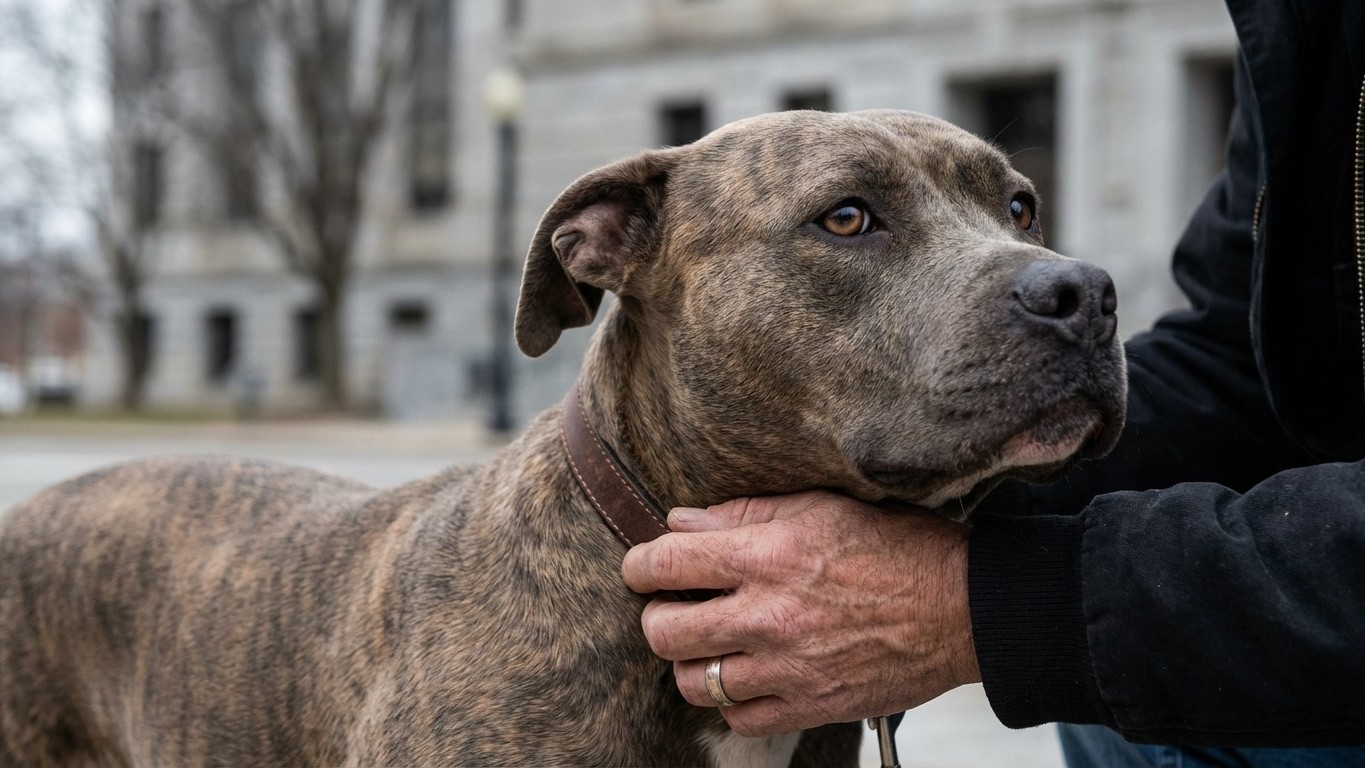
The law is unambiguous, and the consequences of getting it wrong are severe. Owning a banned dog breed in the United Kingdom can result in criminal charges, an unlimited fine, up to six months in prison, and, most painfully, the destruction of your dog. Every year, dogs are seized from well-meaning owners who simply didn’t know the rules before bringing an animal home. If you’re adopting, importing, or even just considering a new dog in the UK, understanding these restrictions isn’t optional, it’s the difference between keeping your companion and losing them forever.
Why does the UK restrict certain dog breeds?
The short answer is public safety, though the full picture is considerably more complicated. The legislation emerged from a specific cultural and political moment: the late 1980s, when a series of high-profile attacks, some involving children, generated intense media coverage and public pressure on the government to act. The Dangerous Dogs Act 1991 was the result, rushed through Parliament and widely criticised by animal welfare organisations and legal experts almost from the moment it passed. Critics have long argued it targets appearance rather than behaviour, punishing dogs for what they look like rather than what they’ve actually done.
That debate has never fully resolved. Animal welfare charities, including the Dogs Trust and the RSPCA, have consistently argued that breed-specific legislation is ineffective and that responsible ownership matters far more than genetics. Yet the law remains on the books, and successive governments have chosen amendment over repeal. The 1997 amendment introduced the exemption scheme (more on that shortly), and further changes have adjusted enforcement procedures, but the core banned list has remained unchanged since 1991.
For anyone moving to the UK or adopting their first British dog, it’s worth understanding this context: the restrictions exist in a contested space, backed by law but disputed in principle. That doesn’t change what you must do, but it does explain why some dogs caught up in this legislation look, by any measure, like perfectly ordinary family pets.
The banned breeds: what the law actually says
The official list
Under the Dangerous Dogs Act 1991, four types of dog are banned in England, Scotland, and Wales (Northern Ireland has its own legislation but follows broadly similar principles):
- Pit Bull Terrier
- Japanese Tosa
- Dogo Argentino
- Fila Brasileiro
The word “type” is deliberate and legally significant. The law doesn’t require a dog to be a pedigree or registered example of these breeds, it applies to any dog that substantially matches the physical characteristics of these types. A Staffordshire Bull Terrier cross, for instance, might be flagged if a police dog legislation officer judges it to have sufficient physical similarities to a Pit Bull Terrier. This is where many owners find themselves in legal trouble without any intention of owning a banned dog.
The “type” problem
The assessment process relies on physical measurement against a set of characteristics: the shape of the head, chest width, muscle definition, jaw structure. There’s no DNA test that determines legality, it’s a visual and physical judgement made by a trained officer. Courts have upheld convictions based on this assessment, even when the owner believed they had a perfectly legal crossbreed.
This creates a genuine grey area. A rescue dog from a shelter, labelled as a Staffordshire Bull Terrier mix on its adoption paperwork, could theoretically be assessed as Pit Bull type if challenged. Before adopting any muscular, broad-headed terrier type in the UK, getting an independent assessment is genuinely prudent. Before any adoption, browsing a comprehensive dog breeds guide UK can help you understand which breeds sit closest to the legal boundaries.
Rules, regulations, and what’s actually legal
The Dangerous Dogs Act and its amendments
The original 1991 Act made it an offence to own, breed, sell, exchange, give away, or abandon any of the four banned types. The 1997 amendment softened this slightly by introducing a formal exemption route: a dog of banned type could be kept if its owner obtained a court order confirming it was “not a danger to the public” and met a strict set of conditions.
To keep an exempt dog legally, the owner must register it on the Index of Exempted Dogs (IED), maintain third-party public liability insurance, have the dog neutered, microchipped, and tattooed, and ensure it is kept on a lead and muzzled in public at all times. The dog must also be kept in a secure environment and cannot be rehomed without court permission. These aren’t suggestions, any breach of the conditions can result in the exemption being revoked and the dog being seized.
Importing and travelling with dogs
Importing a banned type into the UK is illegal, full stop. Even if the dog has exemption status in another country, that status has no legal standing in the UK. Dogs arriving via approved routes are subject to inspection, and a banned-type dog discovered at the border can be seized and destroyed. For anyone relocating from Europe with a dog, checking the type carefully before travel is non-negotiable. The dog breeds guide UK covering the particularities of choosing a breed in the British context is a useful starting point for understanding which dogs travel smoothly across borders and which don’t.
Adoption from UK shelters is possible for exempt dogs already on the IED, but the new owner must meet all the exemption conditions, obtain a transfer of the exemption through the court, and maintain full compliance from day one. Shelters dealing with banned-type dogs are experienced with this process and should guide you through every step.
Penalties: what happens if things go wrong
Possession of a banned type without exemption is a criminal offence under Section 1 of the Dangerous Dogs Act. The police or local authority dog warden can seize the dog immediately, without a warrant, if they reasonably suspect it is a banned type. The dog is then held (often at the owner’s expense) while the case progresses.
A magistrates’ court will determine whether the dog is a banned type. If it is, the owner faces an unlimited fine, up to six months’ imprisonment, and a ban from owning dogs in the future. The court will also decide the dog’s fate: it can grant an exemption order if it’s satisfied the dog poses no danger and the owner is suitable, or it can order destruction. Destruction orders are not rare, hundreds of dogs are destroyed each year under this legislation, many of them described by their owners, and even by the shelters that housed them, as gentle, sociable animals.
For a dog that has actually attacked someone, the penalties are considerably steeper. The Anti-social Behaviour, Crime and Policing Act 2014 extended the offence of owning a dangerously out-of-control dog to private property (previously, attacks in private homes were not covered), and the maximum sentence for an attack resulting in death is now 14 years’ imprisonment.
Practical implications for dog owners
The legal risks are the most dramatic, but the day-to-day implications of owning a banned or restricted breed extend into areas many owners don’t anticipate. Home insurance and rental agreements are two of the most common pressure points. Many insurers exclude banned types entirely, and a significant proportion of rental properties prohibit certain breeds regardless of legal status. Some landlords go further, banning all large or “powerful” breeds by default. Checking your tenancy agreement before bringing any dog home, but especially before adopting a muscular terrier type, is basic self-protection.
Travel is another complication. Even within the UK, taking an exempt dog on public transport or into certain venues requires the lead and muzzle conditions to be met at all times. Travelling abroad with an exempt dog is extraordinarily complex, and in some cases simply not possible given the restrictions in the destination country.
Before committing to any adoption, especially from a rescue environment, ask the shelter directly whether the dog has ever been assessed by a legislation officer. Request any documentation. If you have doubts, ask your vet, who cannot legally identify a dog’s “type” for the purposes of the Act, but can offer a professional view on the dog’s physical characteristics and temperament. Always consult a vet if you have concerns about a dog’s health or suitability, and consider seeking specialist legal advice if you’re uncertain about breed classification.
For a broader view of which breeds thrive in British conditions and suit different lifestyles, the most popular dog breeds in the UK guide offers an excellent overview of what most families actually choose, and why.
How the UK compares with Europe
The UK’s approach is relatively strict by European standards, though it sits in a broad spectrum of national policies. France operates a category system, with Category 1 dogs (attack dogs, including Pit Bull types) banned from ownership and Category 2 (defence dogs, including Rottweilers and American Staffordshire Terriers) subject to strict conditions including muzzling, registration, and liability insurance. Germany delegates much of the regulation to individual Länder, resulting in a patchwork of rules: some states ban certain breeds outright, others require permits, and others rely almost entirely on behaviour-based assessments. Italy similarly varies by region, though national guidance leans increasingly towards behaviour over breed.
What distinguishes the UK approach is the “type” criterion, the absence of a strict breed-registry requirement means a wider net of dogs can be caught. Most European systems, even strict ones, work primarily from registered pedigree status. An Italian Mastiff in Germany is either registered as a breed subject to restrictions or it isn’t. In the UK, any dog that looks sufficiently like a Pit Bull Terrier is potentially subject to the Act, regardless of what its paperwork says.
For anyone moving to the UK from France, Germany, or elsewhere with a dog, and for those choosing a breed for life in Britain, consulting a thorough dog breeds guide that accounts for lifestyle, climate, and legal context is one of the most sensible first steps.
Frequently asked questions
Which dog breeds are currently banned in the UK?
The four banned types under the Dangerous Dogs Act 1991 are the Pit Bull Terrier, Japanese Tosa, Dogo Argentino, and Fila Brasileiro. The ban applies to “type” rather than registered breed, meaning any dog substantially matching the physical characteristics can be affected.
Can you adopt or import a banned breed if the dog is well-behaved?
Good behaviour doesn’t exempt a dog from the legislation. A banned-type dog can only be legally kept in the UK if it has been assessed by a court and placed on the Index of Exempted Dogs, with all associated conditions met. Importing a banned type is illegal regardless of the dog’s temperament or any exemption status it holds abroad.
What happens if you’re found to own a banned dog?
The dog can be seized immediately. You may face criminal charges, an unlimited fine, up to six months in prison, and a ban on keeping dogs. The court will decide whether to grant an exemption or order the dog’s destruction.
Are there legal alternatives or genuine exemptions?
The exemption scheme under the 1997 amendment allows a banned-type dog to be kept legally if the court is satisfied it poses no public danger and the owner meets strict ongoing conditions: registration on the IED, neutering, microchipping, tattooing, lead and muzzle in public, and maintaining public liability insurance. These conditions are lifelong and non-negotiable.
The question of whether breed-specific legislation actually makes the public safer remains genuinely open, and several parliamentary inquiries have asked exactly that. What’s clear is that for dog owners in the UK today, the law as it stands demands careful attention before any adoption decision. The best way to protect yourself, and your future dog, is to research thoroughly, ask questions, and never assume that a dog’s friendly temperament is enough to keep it safe from seizure.