
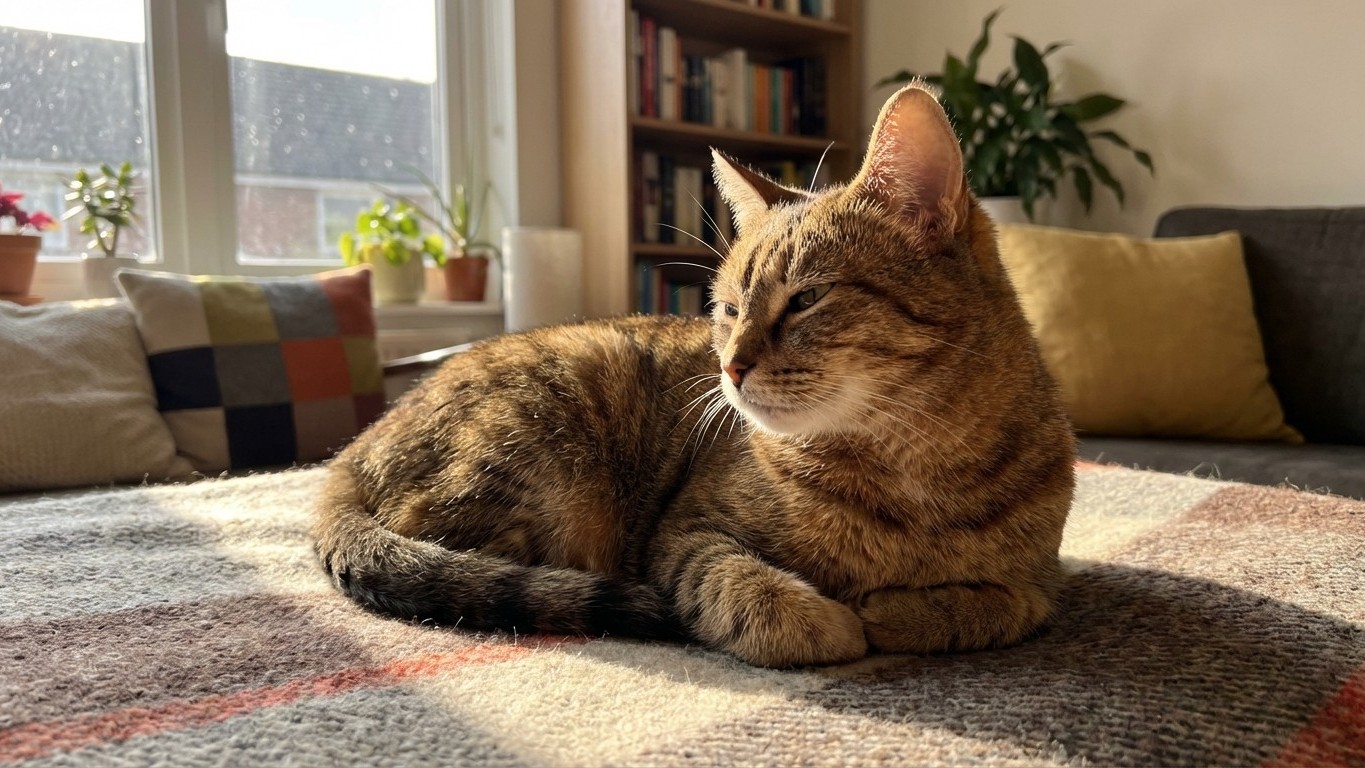
For weeks, I watched my usually charming tabby, Daisy, transform into the grumpiest feline in South London. She’d yowl at seemingly nothing, skulk under the bed, and turn her nose up at treats that used to send her into whisker-quivering excitement. At first, I chalked it up to her being a “difficult” cat, one of those mysterious creatures destined to have a mood all her own. But as I’d later realise, it wasn’t stubbornness or drama at all. Daisy was waving a silent red flag. And I was missing it entirely.
Key takeaways
- Why your ‘difficult’ cat might be trying to tell you something urgent.
- The subtle daily changes that often go unnoticed but signal pain.
- How modern life makes it harder to catch these vital feline clues.
Unravelling the Myth of the ‘Difficult’ Cat
We’ve all heard it, or said it ourselves: “She’s just being a cat.” Aloof, picky, sensitive, mischievous—cats are saddled with all sorts of human labels. Yet, the truth is, most felines have mastered a subtle language that eludes even their most devoted humans. Unlike dogs, who might lay their misery bare with a whimper or a mournful stare, cats are the covert agents of the pet world. Their communication is masterful, honed for stealth and survival. One misplaced paw, an unusual twitch of the tail, or a single cough could mean everything.
As it turns out, Daisy’s “difficult” behaviour was actually a desperate attempt to communicate. When cats act out of character, the message often has teeth. They’re not being awkward or vindictive. Most are, in fact, brilliantly stoic, only revealing discomfort or illness as a last resort. Evolution taught them that the lethargic or vulnerable wouldn’t survive long on the open moors. So by the time odd behaviour emerges, something deeper often simmers beneath.
The Signal I Ignored: Subtle Shifts in Routine
The one signal I unwittingly overlooked was so simple it hid in plain sight: Daisy’s daily habits. Her appetite shrank, the litter tray stayed suspiciously pristine, she spent long hours in odd, chilly spots rather than curled up on my lap. At first, I shrugged it off. Maybe she was bored? Or cross with me for that last trip to the vet?
Many cat owners miss these faint clues. A subtle dip in eating or drinking, a single skipped leap to the windowsill, or a spell of uncharacteristic reclusiveness are easy to dismiss as mood swings. Yet, studies show that cats rarely vocalise pain, especially chronic discomfort. Instead, they change their rhythm: eating less, hiding, sleeping in new places, neglecting grooming or sometimes, overdoing it to the point of bald patches.
As I later learnt, these shifts can signal everything from urinary infections to toothache, early arthritis, or stress caused by changes in the household. For Daisy, it turned out to be a mild urinary issue, one that would have quietly escalated if left unchecked. Fortunately, after a quick assessment by our local vet, a short course of medication and a change in her feeding routine had her back to her charming self within days.
Why Our Busy Lives Make Cats Harder to Read
Modern life doesn’t always lend itself to the slow, attentive observation our cats deserve. Amid juggling work calls and rushing out the door, it’s all too easy to miss small absences or lapsed routines. In multi-cat homes, a sluggish pet can blend into the background even more easily. Meanwhile, cats themselves become experts at masking pain, felines in the wild had to hide any weaknesses to avoid becoming prey.
You might remember the story making rounds in cat-lover circles: a ginger tom who’d been written off as “antisocial” actually had an infected tooth. His owner only twigged when sprays of fur started showing up on the sofa from all-night grooming. Another classic: the senior cat who stopped jumping onto the bed didn’t become “lazy”, he developed the early signs of arthritis. By the time they’re limping outright, they’ve probably had aches for months.
And the signals rarely come as drama or destruction. They slip in quietly: a missed greeting at the door, less grooming, eyes held half-closed, minute changes in sleep patterns. These are the ripples on a pond that tell you something’s stirring underneath.
How to Tune In (and When to Act)
Loving a cat means learning to speak their language, decoding the messages hidden behind those inscrutable stares. Start by establishing a keen sense of their normal: how much do they eat, where do they sleep, how vigorous are their play sessions? Regular routines make it easier to spot when something’s not quite right.
If your cat suddenly shifts their eating or drinking habits, skips the litter box, isolates themselves or shows changes in their coat or mobility, don’t assume it’s just feline whimsy. While some moods and quirks are perfectly normal, sudden or persistent changes can be a signal of pain or illness. Always consult a vet if your cat:
- Stops eating or drinking for more than a day
- Vocalises more (or less) than usual
- Urinates outside the litter tray or seems in pain while toileting
- Avoids contact, hides, or seems fearful
- Develops unexplained bald spots or over-grooms
Even changes you think of as “old age” – like stiffness or less willingness to play – could be treatable discomfort. Treatments for feline arthritis, urinary issues, and dental disease have come a tremendous way since 2020, leading to dramatic improvements in quality of life for ageing cats. Your vet can help untangle the subtle clues and suggest a plan tailored to your individual feline friend.
Cats don’t sulk or hold grudges for the fun of it. If they’re “being difficult,” ask yourself: are you reading the right signals, or missing them as I was? The answer could be the difference between a grumpy moggy and a happy, healthy companion.
With every day that passes, Daisy reminds me how much I still have to learn. Perhaps our greatest challenge is recognising that the “difficult” cat isn’t difficult at all, just quietly, stubbornly, uniquely herself, waiting for her human to finally learn her language. Who knows what conversations you’ll discover, once you start to listen?