
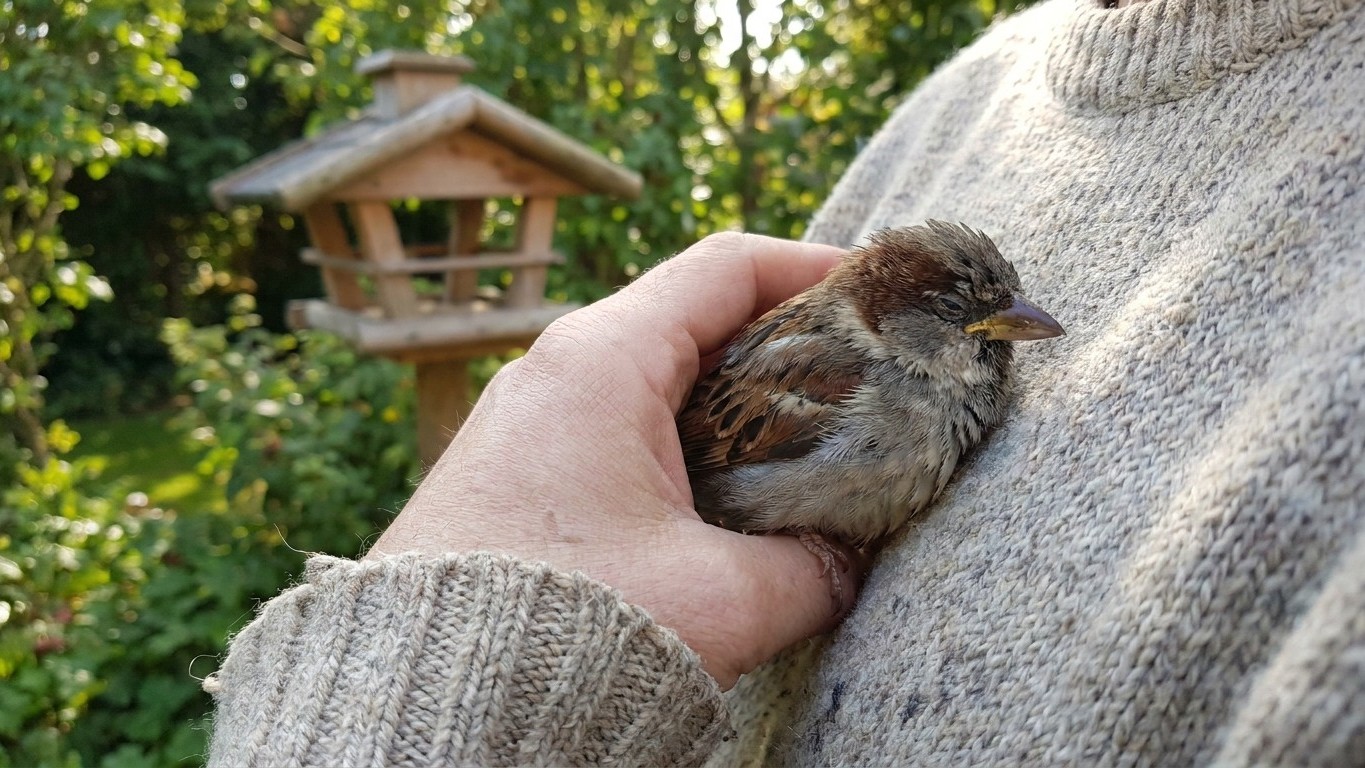
A fever that strikes within a single day of handling a cat-caught bird is almost certainly not what most people call “cat scratch fever.” That name belongs to a slower, sneakier bug called Bartonella henselae, and its timeline simply doesn’t match a next-morning temperature spike. The hallmark clinical presentation includes a papule or pustule at the inoculation site, followed by tender regional lymphadenopathy proximal to it, frequently accompanied by low-grade fever. That papule alone takes days to appear, let alone the swollen glands that follow. So if you’ve ever pulled a stunned blackbird or sparrow from your cat’s jaws and woken up shivery the next morning, the real explanation lies somewhere else entirely, and it’s worth knowing exactly where.
Key takeaways
- A fever 24 hours after handling a cat-caught bird is too fast to be classic cat scratch fever
- The real danger might be Pasteurella multocida, a bacteria in 90% of cats that spreads infection in hours
- Even if you don’t get sick, the bird likely needs veterinary care—cat saliva kills birds from hidden infections within days
Why the timing rules out classic cat scratch disease
Bartonella henselae, the bacterium behind proper cat scratch disease, is spread by infected flea dirt getting into a wound, not by casual contact with a bird a cat happens to be holding. Within 3 to 10 days after a bite or scratch, most patients with cat-scratch disease develop an erythematous, crusted, painless papule at the scratch site. Regional lymphadenopathy develops within 2 weeks. That’s an incubation measured in the better part of a week at minimum, sometimes closer to a fortnight before the telltale swollen lymph node shows up near the wound. A fever the following morning simply doesn’t fit that pattern, and if you never actually got scratched by the cat itself (you took the bird from its mouth, remember, not a swipe from a claw), the diagnosis becomes even less plausible. Cats pick up Bartonella from fleas, not from their prey, so unless your cat drew blood from you directly, blaming “cat scratch fever” for a rapid fever is a case of folk memory doing the diagnosing rather than biology.
The bacteria that works in hours, not days
The far more likely villain, if you did pick up any nip or graze during the rescue, is Pasteurella multocida, a bacterium that lives in the mouths of the vast majority of domestic cats and behaves nothing like Bartonella. Wildlife rehabilitation guidance is blunt about how common and how fast-acting it is: more than 90% of all cats carry pasteurella multocida bacteria in their saliva, so the chances of infection are very high. Unlike the leisurely progression of cat scratch disease, Pasteurella infections in birds themselves can turn fatal astonishingly quickly, and the same bacterium causes rapidly spreading cellulitis in people, often within half a day of a bite or scratch that broke the skin. That’s the genuinely dangerous scenario when someone reaches into a cat’s mouth, even with the best intentions. A hot, red, swelling patch of skin around a tiny puncture mark, arriving well before any cat scratch disease timeline would allow, points squarely at Pasteurella rather than Bartonella, and it needs antibiotics rather than watchful waiting.
None of this means the bird itself is off the hook as a source of illness. Handling any wild bird, injured or not, carries its own small but real zoonotic risks worth knowing about:
- Psittacosis (parrot fever), caused by Chlamydia psittaci, which despite the name isn’t limited to parrots
- Salmonella, shed in droppings and picked up through unwashed hands touching your face
- Simple cellulitis from a bird’s own beak or claws if it panics while being handled
What the bird was carrying matters too
Psittacosis deserves a mention precisely because it’s so easy to dismiss as “just something parrot owners worry about.” All types of birds can get and spread psittacosis, including farm birds and other wild birds, like pigeons and gulls. Garden species aren’t exempt. Most commonly, psittacosis in humans presents with an abrupt onset of an influenza-like syndrome characterized by fever, chills, headache, and a dry cough occurring in young or middle-aged adults. The catch, once again, is timing: the incubation period typically ranges from 5 to 14 days but can be up to 40 days. A fever appearing the very next day is too quick for psittacosis as well, which actually makes the whole mystery more interesting rather than less. It’s a reminder that a body can develop a fever for dozens of mundane reasons that have nothing to do with wildlife rescue at all, a coincidental cold, a reaction to stress hormones after an adrenaline-soaked ten minutes prising a bird from a cat’s jaws, or simply a bug picked up elsewhere that same week. Correlation isn’t causation, and jumping straight to the most dramatic zoonotic explanation is a very human habit.
What to actually do next time
The RSPCA’s guidance on cat-caught birds is unambiguous, and it has nothing to do with protecting the rescuer. If a bird has been caught by a dog or cat, there’s a risk it could develop an infection, so they always need to be taken for treatment, even if you can’t see any obvious wounds. Bacteria in a cat’s mouth can kill a bird within days even when the feathers show nothing more than a slightly ruffled patch, so a trip to a vet or wildlife rehabilitator isn’t optional sentimentality, it’s the difference between survival and a slow, hidden death from septicaemia. For the person doing the rescuing, the practical takeaway is refreshingly simple: wash your hands thoroughly afterwards, keep an eye on any break in your own skin, and don’t self-diagnose based on half-remembered playground names for illnesses. If a fever, spreading redness, or swollen glands turn up in the hours or days after handling a cat, a cat’s prey, or any wild bird, ring your GP or NHS 111 and mention the exposure specifically, because the timeline you give them is genuinely useful diagnostic information, not just a nice anecdote. Vets, meanwhile, remain the right port of call for the bird itself, not for your own fever, however tempting it is to lump animal welfare and personal health into the same tidy story.
One detail rarely mentioned: catching psittacosis doesn’t confer immunity, which means a person regularly exposed to infected birds can become sick again. Anyone who regularly feeds garden birds, cleans out nest boxes, or finds themselves playing referee between the cat and the feeder more often than they’d like should treat hand hygiene as a permanent habit rather than a one-off precaution after a scare.
Sources : cfsph.iastate.edu | allaboutbirds.org