
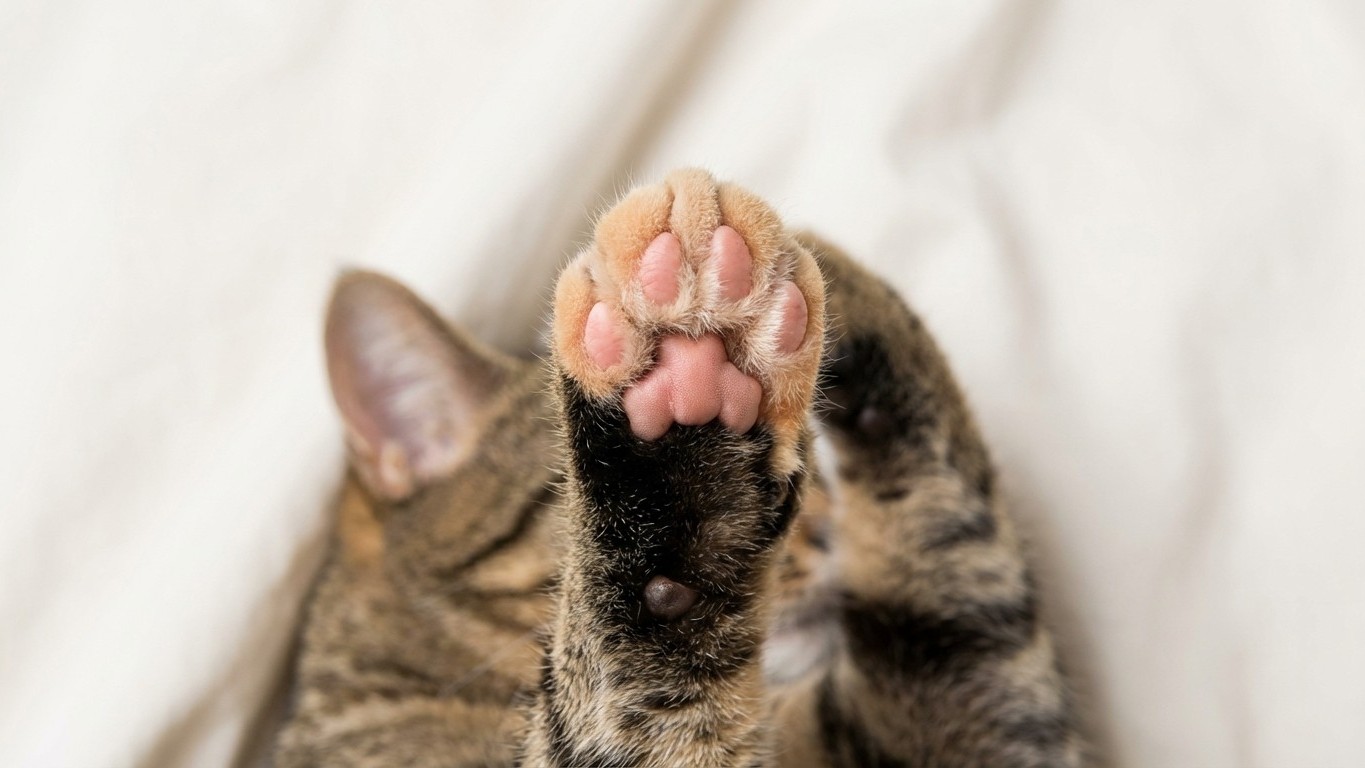
Those little cushioned pads on your cat’s paws, lovingly nicknamed “toe beans” by the internet, do far more than look adorable after a nap. They are shock absorbers, sensory organs, and, as vets increasingly recognise, a surprisingly reliable early warning system. The spot in question? The texture and condition of the paw pads themselves, where the first visible clues of a hidden nutritional deficiency can quietly appear, often long before your cat shows any other signs of being unwell.
Key takeaways
- Vets are now using a specific spot on cat paws as a diagnostic window into hidden nutritional problems
- The texture, color, and condition of paw pads reveal deficiencies that might not show up anywhere else—yet
- What looks like a minor cosmetic issue could signal serious organ dysfunction or dietary imbalances
The paw pad as a health window
Your cat’s paw pads can be an early indicator of underlying health problems. Since they’re constantly in use and exposed to environmental stressors, issues often show up here first. This is exactly why a thorough vet will flip those paws over during a routine check-up and run their fingers across the pads, feeling for texture changes that might be easy for an owner to miss.
Cat paws should be generally dry, but not to the point of being rough or cracked. That distinction Matters More Than most owners realise. There’s a world of difference between normal, slightly firm pads and pads that are flaking, splitting, or developing a rough, thickened crust. Pads that are flat, dry, cracked, and/or irregular can be signs of not only nutritional deficiency but other problems in the body, such as disease or infection.
Think of it this way: the paw pad is essentially a very concentrated patch of specialised skin. Nutritional deficiencies are often manifested by changes in the skin and paw pad. Like the skin, paw pads require the supply of a variety of nutrients, including biotin, vitamins A, E, and C, nutritional lipids and minerals. Because so much biological activity is packed into such a small, dense area, any shortfall in key nutrients tends to show up there with particular clarity.
Which deficiencies actually show up on the paw pads?
The two most common culprits behind dry, compromised paw pads are essential fatty acid deficiency and zinc deficiency, and both are more common in cats than many owners assume, particularly those fed lower-quality or poorly balanced diets.
A balanced diet is key to keeping your cat’s paw pads healthy. Without the right nutrients, their skin, including their paws, can suffer. A lack of essential fatty acids can lead to dry, brittle paw pads that crack easily. Essential fatty acids, particularly omega-3s, are incorporated directly into cell membranes. Fish omega-3s, such as EPA and DHA, are incorporated into cell membranes to provide strength and flexibility. If these are absent or deficient the cells become fragile and less able to withstand stress and wear. This is why a cat eating a diet very low in quality animal protein or fish-derived fats might first show the signs not on their coat, but on their pads.
Zinc is the other major player. Zinc deficiency causes hair loss, skin ulcers, and areas of skin thickening and cracking, particularly over joints and on foot pads. Zinc plays a key role in the production of healthy skin tissue, especially in the hyperkeratinised tissues of the nose, tongue and footpad. These tougher tissues are very zinc-dependent. According to the Journal of Nutrition, zinc, when added to a cat’s diet, can prevent dryness and cracking, and cats with a dietary zinc deficiency have poorer coats, slow hair growth, and scaly skin.
Biotin is worth mentioning too. Although required in minute quantities, biotin is an essential vitamin for maintaining cell differentiation and keratinisation in the skin. Nail health can also offer clues, and soft, splitting, or peeling nails may be associated with possible deficiencies such as biotin or zinc. So if your cat’s claws look brittle at the same time as their pads look rough, that combination deserves a vet’s attention.
There’s also the matter of dehydration, technically not a nutritional deficiency, but closely linked to diet quality. Dehydration is a common issue. If your cat isn’t drinking enough water, their paws and overall skin can become dry. Cats fed exclusively on dry kibble are at particular risk here, since they naturally obtain much of their water from food.
What exactly does a vet look (and feel) for?
During a paw pad assessment, a vet isn’t just glancing, they’re checking texture, colour, symmetry, and thickness. They look for cracking, bleeding, swelling, sores, redness, discharge, or odour, and note whether dryness is symmetric on all paws or localised. Symmetry is genuinely useful information: a deficiency typically affects all four paws relatively equally, while an injury, contact allergy, or infection tends to affect one paw or specific areas.
Colour changes carry their own set of clues. A cat’s paw pads should stay the same colour throughout their life. So when they don’t, it’s a flag. One potential sign that a cat is suffering from anaemia is lightening of the paw pads. Pink pads can turn white, for example. Anaemia itself can result from chronic nutritional deficiencies, including a lack of nutrients needed to produce red blood cells. Other health conditions that may cause changes in paw pad colour include liver disease, kidney disease, and certain types of infections.
For older cats especially, the pads can tell a more complex story. If a cat is old or ageing, cracked or severely dry paw pads can indicate a possible liver or kidney dysfunction, which prevents the proper absorption of certain nutrients found in their food. This is a particularly important point: even a cat eating a perfectly balanced diet can develop deficiency-like symptoms if their organs can no longer absorb or process nutrients efficiently.
Then there’s a condition called hyperkeratosis, which deserves its own mention. If a cat develops rough, scaly patches on their skin or thickened paw pads, it may be dealing with hyperkeratosis, a condition where the outer layer of skin produces too much keratin, leaving the feline uncomfortable and itchy. Whether the issue stems from allergies, nutritional deficiencies, or other factors, treatment options exist — from topical therapies to dietary adjustments to targeted medications.
What you can do at home, and when to call the vet
Checking your cat’s paws is something every owner can build into a regular routine. To keep your cat’s paws healthy, establish a regular cleaning routine. Gently wipe their paws with a soft cloth and warm water to remove dirt and check for dryness or injury. This takes about thirty seconds and can catch changes early, when they’re easiest to address.
If the pads look mildly dry, diet is often the first thing worth reviewing. To support healthy paw pads, choose a high-quality cat food rich in omega fatty acids, or add a vet-approved supplement. Make sure fresh water is always available, and consider incorporating wet food to boost hydration. For cats already showing signs of zinc or fatty acid shortfall, supplements may be needed, but always check with your vet first, since over-supplementing certain nutrients carries its own risks.
For topical care on mildly dry pads, if a cat’s pads are cracked or overly dry, a vet-approved pet-safe balm (often containing ingredients like vitamin E or shea) can be gently applied. Always confirm with your vet first, and never use human foot creams, they may contain harmful compounds for cats.
Seek veterinary care if you notice swelling, redness, discharge, limping, or persistent cracking that doesn’t improve with basic care. Heavily cracked, swollen, and bleeding paws are not normal for cats, and could be symptomatic of low protein or fatty acid levels, paw pads this damaged can also be symptoms of feline leukemia virus or feline immunodeficiency virus (FIV). These are the cases where a quick home remedy simply isn’t enough, and blood tests become essential to understand what’s actually happening beneath the surface.
There’s something quietly profound about the idea that your cat’s tiny toe beans are holding nutritional information in plain sight, waiting for someone to look. Most owners stroke those paws during cuddle sessions without ever thinking twice about their texture. Next time your cat offers up their paws, or more likely, tolerates you gently turning them over, take a moment. It might be the most useful thirty seconds in their health routine.
Sources : catexperiences.com | therefinedfeline.com