
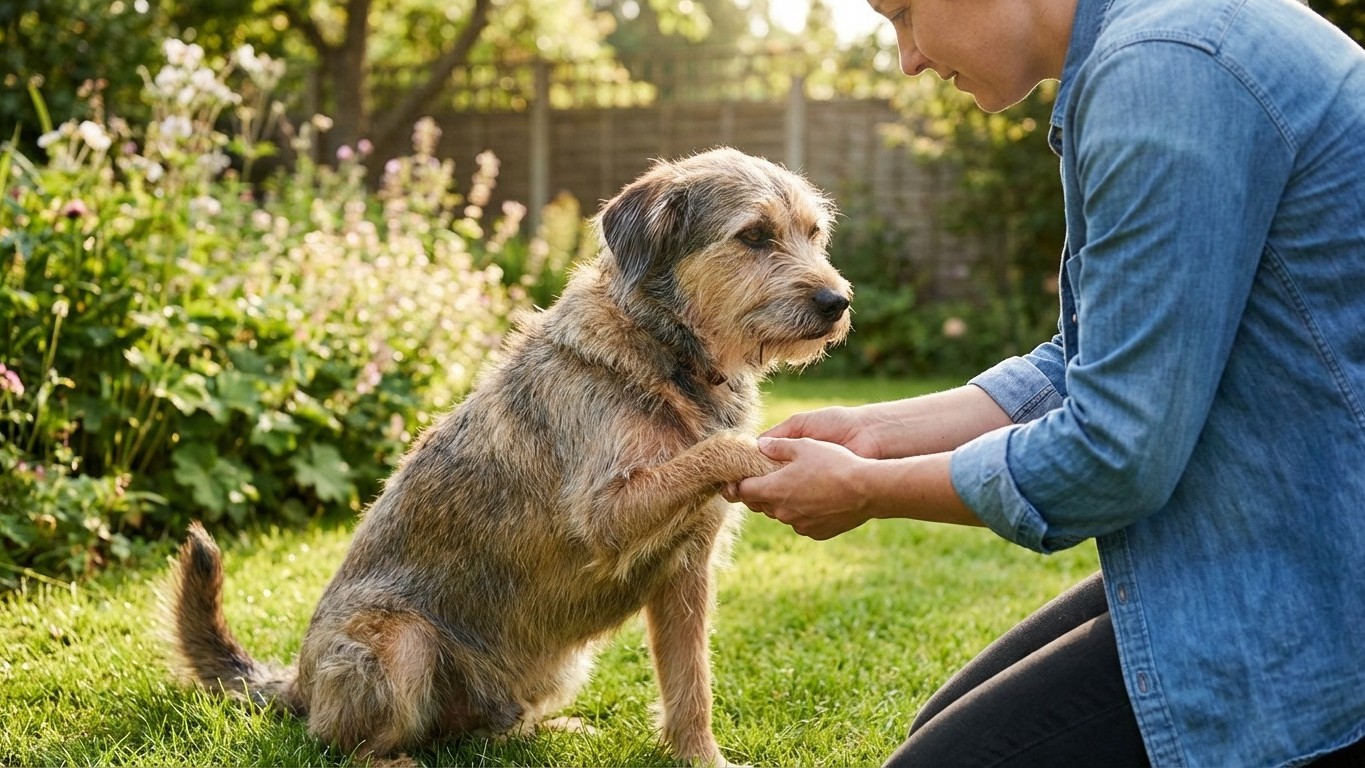
Some dog owners relax a bit when winter loosens its grip and daffodils finally dare to bloom. But before you let your dog bounce joyfully through the mud and new grass, there’s a simple habit that quietly saves many pooches from expensive, stressful vet visits each spring: start a regular “nose-to-tail” check at home, just as the first warm breezes arrive. With little more than your hands and a sharp eye, you can spot problems early, long before your dog is hobbling or scratching incessantly.
Key takeaways
- Why early spring is prime time for hidden pet health risks.
- How a five-minute nose-to-tail check can catch problems before they grow.
- Real-life stories reveal missed signs and costly vet bills avoided.
Why Early Spring Demands a Closer Look
British gardens and parks seem enchanting right now, bursting with life and the promise of longer evenings. Yet as nature awakens, so too do parasites and pathogens. Fleas don’t mind chilly weather, but as the temperature hits double digits, they amp up their activity. Ticks crawl back into action, hiding in tufts of grass where last year you’d barely see them. Foxes and other wildlife are frisking around our suburbs, sometimes bringing new risks into even the neatest gardens.
Meanwhile, your dog is likely growing its spring coat, which can easily trap all sorts of debris and critters. That coat, by the way, can quickly hide early signs of infection, irritation, or lumps that may need quick attention. Quite literally, problems are budding beneath the surface.
I once met a spaniel, Barney, who loved diving headfirst into piles of old leaves. His owner didn’t realise until late April that a small, gritty pebble had become lodged between two pads. By the time Barney began limping, infection had started. A gentle weekly paw check, along with a sweep of his whole body, could have made that vet visit (and a hefty bill) entirely unnecessary.
How to Start a Nose-to-Tail Check (And Actually Keep Doing It)
If grooming sounds too formal or time-consuming, relax. You’re not aiming for show-dog perfection, just a five-minute routine, once or twice a week. Here’s the fun bit: most dogs adore this mix of fussing and attention.
Begin at your dog’s nose. Feel for Anything unusual: crusts, nicks, or changes in texture. A healthy nose shouldn’t be bone-dry, nor should it look ulcerated. Work slowly over the muzzle and check the lips, gently lifting the flews (the floppy bits at the side of the mouth). Look for cracked skin or hidden seeds, especially after countryside walks.
Make your way to the ears. Fold them back, look for redness, wax buildup, or a ripe, cheesy smell, often a sign yeast or bacteria are getting the upper hand. Down the neck and along the back, press lightly with your fingers. Any lumps, sore patches, or odd bumps? If your dog flinches or tries to wriggle away, pay attention: that might be a spot of trouble. Parasites like ticks can feel like small pea-sized knots.
Over the shoulders and ribs, run your palms through their fur, watch for fleas or flea dirt (tiny black specks). Dogs with thick undercoats might hide flea infestations in spring, especially before they moult. At the hindquarters and tail base, take extra care. Ticks favour this area, and mats tend to form here as well.
Check doggy’s belly if you can. Bald patches? Redness? Flaky skin? These tiny cues may be all you get before a hot spot erupts. Then onto the legs, between the toes, and under the pads. Grit, burrs, bits of glass, our urban and rural environments both manage to surprise. (You’d be shocked how many springtime paw injuries stem from leftover bonfire debris or gardening waste.)
Finishing at the tail, give it a good under-and-over inspection. Any areas your dog’s been chewing, or a whiff of something off? Anal glands can become clogged, if your dog is scooting or licking more than normal, flag it for your vet. As a last step, run your hands down the fur to catch burrs and loose hair, which helps keep spring shedding to a minimum on your carpets.
What’s Hiding in the Grass: The Perils of Missed Checks
Sticking to this routine uncovers more than just parasites. Early spring brings the threat of “grass seeds”, those barbed husks that lodge in ears, eyes, paws, and sometimes even burrow through skin. Vets see a steady drip of grass seed injuries every year, with symptoms often dismissed as minor at first: a head shake, a sneeze, a little limp after a ramble on the common. Unfortunately, these seeds can travel beneath the skin or into the ear canal, causing painful abscesses and occasionally requiring surgery.
There’s another springtime mischief-maker worth mentioning: stinging insects. As bees and wasps gear up, so do allergic reactions in some unlucky dogs. Swollen lips, hives, or drooling merit immediate veterinary attention. Early detection can mean the difference between a mild inconvenience and a dash to the out-of-hours clinic.
Don’t forget those less obvious warning signs. Unexplained lumps, persistent redness, or a new funny smell should always mean a call to your vet. Early action could spare your dog discomfort and, quite possibly, save their life, more dogs than you’d guess develop mast cell tumours that first present as tiny bumps the size of a pea. One British survey of around 60,000 dogs linked regular body checks at home with far earlier detection of treatable growths, reducing emergency vet trips in later, more dangerous stages. Never hesitate to seek advice from a qualified professional for any lump or bump that wasn’t there before.
Nurturing the Bond : And Dodging Bills You’d Rather Not Pay
A weekly check isn’t only preventative medicine. It weaves a bond of trust: your dog gets accustomed to being handled, which in turn makes vet visits less stressful for everyone involved. And let’s not be coy, spring is when pet insurance claims quietly spike, often for things that could have been cheaper, less dramatic fixes if someone had noticed earlier. Ticks, for instance, can transfer Lyme disease to both dogs and humans; early removal is critical.
I once heard from a couple in Surrey who rescue greyhounds. Their tip? Make these checks part of a post-walk treat routine. Paw inspection, swift once-over, then a gravy bone or a cuddle, it becomes an everyday ritual, instead of a chore. They reckon it’s saved them three unnecessary vet trips for grass seed drama alone.
So, as picnic blankets come out and your dog shakes off their winter torpor, invest a few Minutes in this simple “spring check.” You’ll spot trouble before it blossoms, and your four-legged friend will thank you, with a wag and, hopefully, an uneventful year at the vets. Isn’t it amazing what those quiet, loving hands can discover before a problem takes root? If every dog owner made this habit stick, how many paws might tread more lightly this spring—and for many springs to come?