
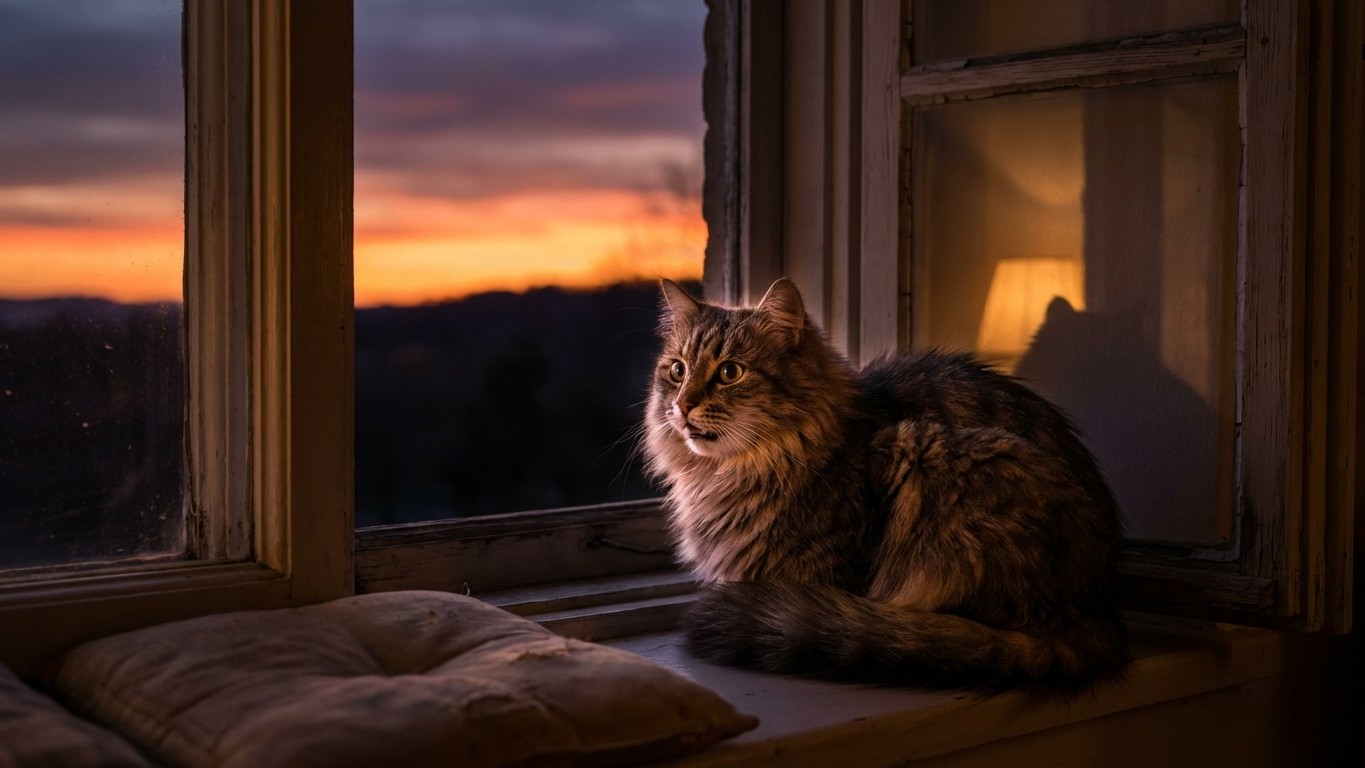
For as long as I could remember, Muffin had chirped. Not the typical relentless meow of an indignant Bengal or a Siamese demanding dinner, but an oddly high-pitched trill. It sounded somewhere between a pigeon’s coo and a rusty hinge, and she did it nearly every day, especially after a meal, or during those odd quiet hours at dusk. I always Thought it was just her quirky personality. After all, hasn’t every cat owner marvelled at the random “talking” quirks their moggie reveals? But, much to my heartache, I’ve just learnt that this strange noise wasn’t simply an eccentric habit. For years, my cat was crying for help—and I missed it.
Key takeaways
- A cat’s unusual sound may hide a secret message of distress.
- Subtle changes in vocalizations can indicate health problems like arthritis.
- Recognizing these signals early can transform your cat’s quality of life.
The Secret Language of Cat Sounds
Cats possess a vocal library that would put any opera singer to shame. Beyond the classic miaow, there’s the purr (often, but not always, a sign of happiness), that terrifying guttural yowl during midnight territory disputes, and even delicate chirps when watching birds from a windowsill. Feline communication is a blend of instinct, learned behaviour, and, in some cases, plain desperation to be understood by their thick-skulled human caretakers.
Veterinary science reveals that cats, unlike dogs, adapt their vocal repertoire specifically for people. In the wild, mother cats use trills and chirrups to call kittens. Over time, some cats redirect these same “solicitation” sounds at their humans. But a repeated, insistent, or strangely timed noise can sometimes signal a brewing health issue. What I thought was Muffin’s cheery “hello” had a darker undertone.
Not Every Sound Means the Same Thing
Unravelling the intent behind a new (or persistent) noise isn’t easy. Our feline companions are infamous for masking discomfort, evolution programmed them to hide vulnerability. So, when a cat invents or intensifies a sound, it pays to pay attention. Pain, confusion, anxiety, hyperthyroidism, or even degenerative joint disease can sneak into a cat’s days disguised as odd vocal patterns. Some cats with chronic stress or cognitive decline develop repetitive sounds that sound almost like nonsense to human ears.
Looking back, the timing of Muffin’s chirps made more sense in hindsight. She often made them after she’d leapt down from furniture. She’d pause, tail flicking, and chirp as if trying to tell me something. Then, she started hesitating before making those once-effortless jumps. Her pupils would dilate, she’d hunker down, and, sometimes, she’d simply slink away instead. (How easy it is to mistake subtle pain for aloofness in cats!)
Pain-related vocalisations are more likely as a cat ages. Joint soreness, especially in cats over seven or eight, can spark seemingly random chirps or meows, often prompted by movements that strain sore limbs. An elderly cat might begin using a plaintive “cry” not heard since kittenhood, as if regressing under the weight of its discomfort. This was Muffin’s language for, “I’m not all right, please help.” My silly little pigeon-chirp now felt like a grief-stricken plea.
Listening, And Acting, Can Change Everything
The regret in realising you’ve missed your pet’s signals can feel like a gut punch. I immediately booked Muffin in for a veterinary check. The verdict? Early arthritis. Easily overlooked in middle-aged cats, this common issue can cause anything from subtle limps to those curious vocal cues. Weight loss and careful pain relief have since given Muffin a marked spring in her step, the chirps, once so frequent, are now rare. Every so often she’ll still make that odd little sound, but not with the same desperate insistence. She seems lighter, braver, more herself again.
I’ll always wish I’d known sooner. But there’s no use in self-recrimination, only in changing one’s habits. If your own cat has developed a peculiar new sound, seems more talkative than before, or has altered their daily patterns, don’t assume it’s just their personality. Contact your vet. Describe the new noise. Bring a recording if possible. Cats don’t speak our language—yet they find endless creative ways to communicate, sometimes pleading in voices we never thought to interpret as distress.
Some cat owners have gone viral for sharing their pets’ surreal “speaking” sounds, only to learn there’s an underlying medical issue. There’s that internet-famous tabby who began yelling a sound similar to “no!” before each trip to the litter tray, later diagnosed with a urinary infection. Cats aren’t shy about using the tools they have to get your attention when something’s wrong. Of course, not every croak is a crisis. Sometimes, it’s just personality (the feline equivalent of a person who hums in the shower). It’s the change that matters—the sudden appearance, the dramatic increase, or a curious pattern that doesn’t quite fit “normal.”
Is Your Cat Trying to Tell You Something?
Paying closer attention to your cat’s vocal habits might just extend, or even save, their life. Keep an ear out for:
- Unusual repetition or escalation of a familiar sound
- Vocalising during movement (especially jumping or using the litter tray)
- Noises paired with other signs: changes in appetite, grooming, mood, or mobility
Software and gadgets exist now that claim to “translate” cat meows into human language, yet none can replace careful, individual observation. Still, wouldn’t you love to borrow Doctor Dolittle’s talent for an afternoon? I certainly would, having missed Muffin’s S.O.S. for so long. The solution may never be a digital app but rather setting aside time to really listen, and to trust your instincts when intuition whispers: “that’s not the same sound as before.”
Cats, with their secret lives and enigmatic facial expressions, refuse to make things easy for us. But learning to decode their language not only prevents suffering, it also deepens the bond between you. Think of how much history is written not in shouts, but in whispers, in soft calls from across the years. What might your own cat be trying to tell you that you’ve overlooked? One offbeat trill could be their only way of asking for help, masked as a harmless quirk.