
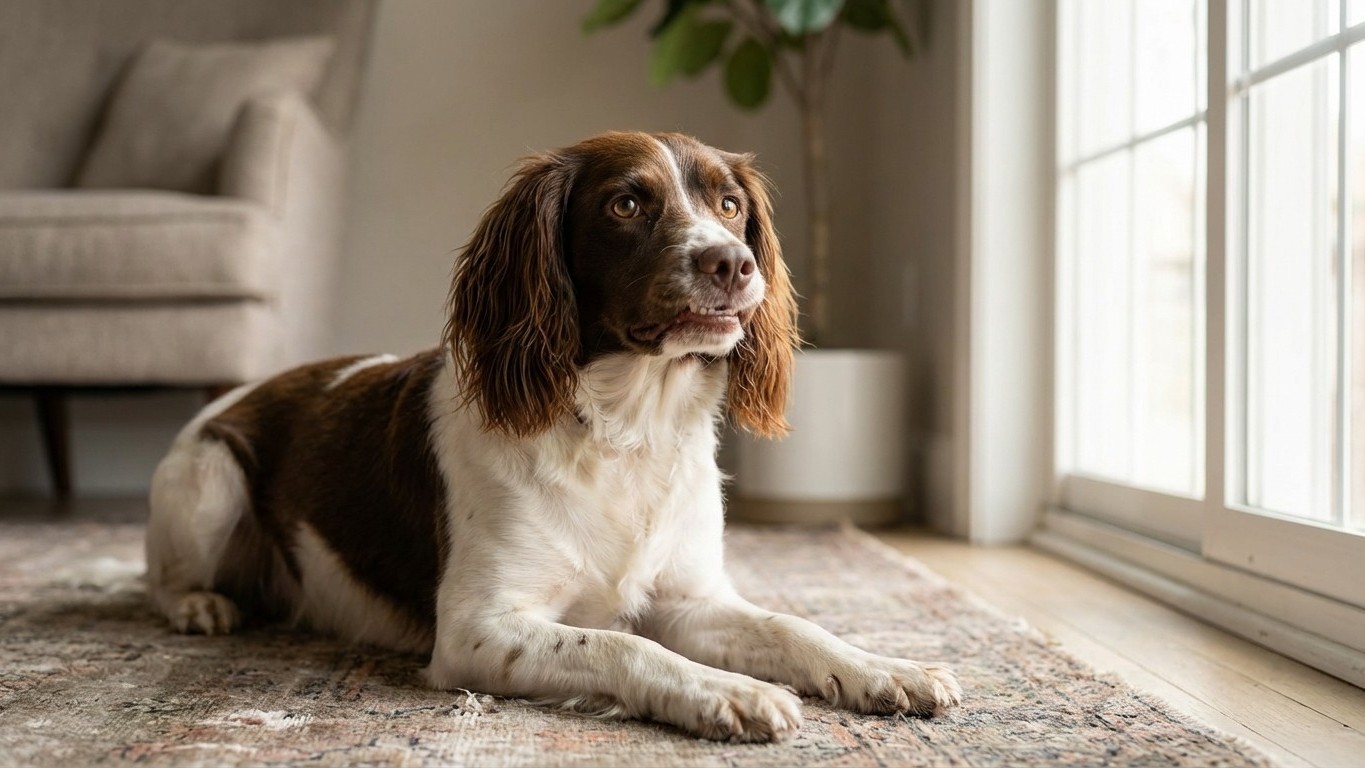
My spaniel’s lip curled just slightly when my nephew reached for his favourite toy. I Thought-my-cat-was-difficult-until-i-discovered-this-crucial-signal/”>Thought he was being grumpy, maybe a bit possessive. Three seconds later, that “moody” expression escalated into a proper warning snap that sent everyone scrambling. That subtle lip lift wasn’t attitude, it was a crucial warning sign I’d completely missed.
The lifted lip, often called a “snarl” when it’s more pronounced, represents one of the most misunderstood Signals-pain/”>Signals in the canine communication playbook. While we humans tend to interpret facial expressions through our own emotional lens, dogs operate on an entirely different wavelength. That slight elevation of the upper lip isn’t your dog being dramatic or throwing a tantrum. It’s a polite way of saying “please give me space” before things escalate to something nobody wants.
Key takeaways
- Dogs use a subtle lip lift as an intermediate warning before aggression—but most owners completely miss it
- The same tooth display can mean play, stress, or a genuine threat depending on the full context and body language
- Your immediate response to this signal determines whether the situation de-escalates or spirals into actual aggression
The anatomy of a warning
When dogs lift their lips, they’re revealing their canine teeth in what animal behaviourists call a visual threat display. This behaviour serves as an intermediate step in the dog’s escalation ladder, sitting somewhere between more subtle signals (like whale eyes or body stiffening) and outright aggression. Think of it as your dog’s equivalent of saying “excuse me, could you please step back?” before they have to shout.
The movement itself is remarkably controlled. Dogs can lift just one side of their lip, expose varying amounts of teeth, or combine the gesture with other warning signals like a low growl or rigid body posture. Some breeds, particularly those with shorter muzzles like bulldogs or pugs, might show this signal differently due to their facial structure, making it even easier to miss if you’re not paying attention.
What makes this signal particularly tricky is its subtlety. Unlike the obvious hackles-raised, full-tooth display of an actively aggressive dog, the pre-bite lip lift can be so brief and gentle that it barely registers. Your dog might flash it for half a second when someone approaches their food bowl, or show it when they’re feeling cornered on the sofa. Miss it, and you’ve missed your chance to de-escalate the situation before it becomes genuinely problematic.
Context matters more than the signal itself
Not every lip lift signals impending doom. Dogs also bare their teeth during play, when they’re concentrating intensely, or even when they’re trying to mimic human smiles (yes, some dogs do learn to “smile” back at their owners, though this is relatively rare). The key lies in reading the entire picture: body language, environment, and circumstances all matter.
A relaxed dog showing teeth during a game of tug-of-war presents entirely differently from a dog backed into a corner with stiff body language and dilated pupils. The playful dog will have loose, wiggly movements and might even bow or bounce between tooth displays. The stressed dog will appear frozen, with hard staring eyes and a tense tail position. Learning to distinguish between these contexts could prevent a serious incident.
Resource guarding provides the most common backdrop for these warning signals. Dogs might lift their lips when someone approaches their food, favourite toy, or even their chosen resting spot. Territory-related stress, pain, or feeling trapped can all trigger this response. Some rescue dogs with unknown histories might display this behaviour more frequently, particularly during their adjustment period in a new home.
Your response shapes what happens next
The moment you spot that lip lift, your reaction determines whether the situation de-escalates or spirals upward. Many people’s instinct is to correct the dog immediately, perhaps with a sharp “no” or by moving closer to assert dominance. This approach typically backfires spectacularly, confirming the dog’s suspicion that they need to defend themselves more vigorously.
Instead, acknowledge that your dog has communicated beautifully and respect their request for space. If they’re guarding food, simply walk away and give them time to finish eating peacefully. If they’re showing teeth because they’re cornered, create an escape route by stepping aside. This doesn’t mean you’re letting your dog “win” or become the household dictator, it means you’re speaking their language and building trust.
Training can absolutely address resource guarding and spatial pressure, but the middle of a warning display isn’t the moment for a training session. Work on these issues during calm moments using positive reinforcement techniques, or consider consulting a qualified behaviourist if the problem persists. Always remember that punishment-based methods for addressing warning signals often suppress the warnings without addressing the underlying stress, potentially creating a dog who bites without warning.
When professional help becomes necessary
Some dogs display warning signals more frequently than others, and persistent lip lifting combined with other stress indicators might signal deeper behavioural concerns. If your dog regularly shows these warnings in everyday situations, develops new guarding behaviours suddenly, or if the warnings escalate quickly to actual contact, professional guidance becomes invaluable.
Medical issues can also trigger increased defensive behaviour. Pain, cognitive changes in older dogs, or hormonal imbalances might all contribute to a dog feeling more vulnerable and therefore more likely to issue warnings. Your vet should always be your first port of call if defensive behaviour appears suddenly or seems disproportionate to the trigger.
Understanding your dog’s warning signals transforms your relationship from a series of misunderstandings into genuine communication. That lip lift isn’t defiance or moodiness, it’s your dog trying to prevent conflict using the most polite tools in their arsenal. The question isn’t whether your dog should give these warnings, but whether you’re fluent enough in their language to hear them when they do.