
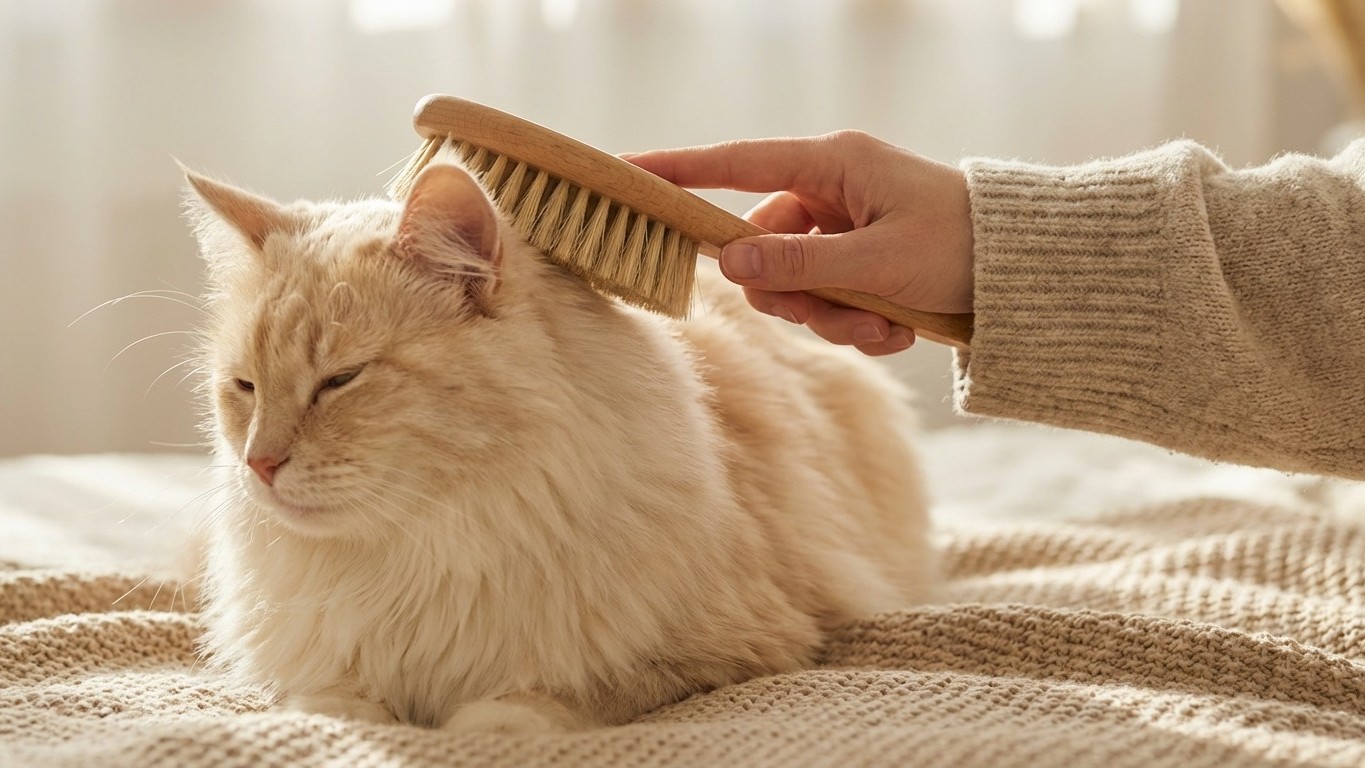
Every spring, millions of cat owners across the UK reach for the brush with the best of intentions, pull out the loose fur, keep the sofa clean, spare the hairballs. But the way many people go about it is quietly causing real harm to their cats’ skin and coat health. Vets are increasingly flagging a cluster of common brushing mistakes that become especially damaging during peak spring shedding, and the good news is that fixing them takes about five minutes to understand.
Key takeaways
- Most cat owners brush wrong during spring shedding—and vets see the damage
- One popular grooming tool is causing ‘brush burn’ and skin irritation in cats
- A stressed cat sheds more, and aggressive brushing creates a vicious cycle that owners miss
Why spring shedding is a completely different beast
Day length, known as photoperiod, signals the body to switch coats, longer days in spring cue the shedding of the heavier winter coat. Temperature is a factor too, but daylight is the real driver. In the spring and summer, cats shed that heavy coat for a much lighter one to stay cooler — and spring shedding is especially important since cats are unable to sweat to regulate their body temperature. So when the coat starts coming out in clumps around March and April, that’s not a problem. That’s your cat’s biology working exactly as it should.
Here’s something that surprises a lot of owners: indoor cats who spend most of their time under artificial light may shed year-round, even without the sharp seasonal peak seen in outdoor cats. It’s a bit of a myth that long-haired cats shed more than short-haired ones, long-haired cats don’t necessarily shed any more, the hair is just a lot easier to see. The actual volume of loose fur during spring shedding, regardless of breed, is substantial enough that many owners feel compelled to brush aggressively, and that’s exactly where the problems begin.
The brushing mistakes vets are most concerned about
It is possible to over-brush a cat. Excessive brushing can irritate the skin, lead to skin damage, or cause hair to become brittle and break. While regular brushing is beneficial for removing dead fur and preventing hairballs, it should be done in moderation. The most common mistake is treating a spring shed like an emergency and responding with marathon grooming sessions, think twenty minutes of solid brushing every single day. The skin simply cannot handle that.
De-shedding rakes used on thin or sensitive coats can irritate skin with overuse. These tools are powerful precisely because they reach deep into the undercoat, but that same reach can drag against skin with too much pressure or repetition. Pressure should be kept light, with short strokes in the hair growth direction, if skin turns pink or a cat flinches, you’re brushing too hard. Pink skin after brushing is a warning sign that owners frequently miss, especially if they’re focused on collecting as much fur as possible.
Then there’s the tool mismatch problem. Different breeds of cats have different requirements for grooming, the frequency and type of grooming tool or brush depend on their coat type. Using a slicker brush designed for dense double-coated cats on a thin-coated Abyssinian, for instance, can cause what’s sometimes called “brush burn” — superficial skin abrasion that can become infected if repeated. Cat brushes for short-haired cats typically have shallow teeth, while long-haired cat brushes have longer teeth to reach further into the coat. This isn’t a trivial distinction.
One more underrated error: brushing a stressed or anxious cat for too long without breaks. Stress can trigger increased hair loss in cats, when a cat feels anxious or threatened, their body may respond by shedding more fur. A long, tense grooming session can actually make shedding worse in the days that follow, creating a frustrating cycle where the owner brushes more because there’s more fur, which creates more stress, which produces more fur.
What a healthy brushing routine actually looks like
The best approach is a short routine: the right brush, light pressure, and consistent timing. Short and regular beats long and infrequent, always. Most cats have heavier sheds for about four to eight weeks in spring and again in autumn. During that window, short-haired cats benefit from a rubber grooming glove or fine-toothed comb two to three times a week, while long-haired cats like Maine Coons, Ragdolls, and Persians often need daily brushing, especially if they’re prone to matting.
Brushing removes loose fur before it spreads throughout the home, and it also helps distribute natural oils across the cat’s skin and coat, keeping them moisturised and healthy. Those natural oils are genuinely important, they’re the coat’s built-in conditioner, and aggressive brushing strips them away just as surely as overbathing does. Sessions should last three to five minutes, with light pressure, hot spots checked around the armpits and behind the ears, and always ending with a treat and a calm moment.
Starting with a soft brush or rubber curry is a good foundation, then adding a wide-tooth metal comb for long coats. De-shedding tools should be used sparingly, one to two times a week on dense coats, to pull loose undercoat. Not daily. Not for half an hour at a time.
When shedding stops being seasonal and starts being a symptom
Typical shedding follows a predictable pattern, often increasing during seasonal changes such as spring and autumn, and is characterised by even fur loss without affecting the skin’s appearance or the cat’s overall comfort. Normal shedding should not result in bald spots, patches of thin hair, or visible skin irritation.
Excessive shedding in cats can indicate underlying medical conditions, stress, allergies, or skin infections can disrupt the normal shedding cycle, leading to increased hair loss. Nutritional deficiencies, particularly a lack of essential fatty acids, can result in poor coat quality. Hormonal imbalances, such as those caused by thyroid disorders, or systemic illnesses like kidney disease, may also contribute. Vets at dermatology clinics frequently see pets whose apparent “shedding” was actually being caused by an allergy flare or skin infection. The two can look identical to an owner with a brush in hand.
Always consult your vet if you notice bald patches, persistent redness, sores, or a sudden and dramatic change in how much your cat is losing. As one veterinarian puts it, shedding in cats is a normal process, even if the amount of hair loss seems excessive, but fall and spring shedding can be particularly heavy for seasonal shedders, and as loose hair is lost, the number of hairballs can also increase as cats groom themselves. More hairballs during spring is expected; your vet should know if they become frequent or your cat seems unwell alongside them.
One thing worth bearing in mind for those with indoor cats on artificial lighting: the indoor environment plays a significant role in a cat’s shedding pattern, and heating systems can dry out the air in the home, which may lead to dry skin and increased shedding. A small humidifier in the room where your cat sleeps can make a genuine difference to coat condition during the drier spring months, an unglamorous fix, but an effective one.
Sources : paw-swing.com | pawfectcatcare.com