
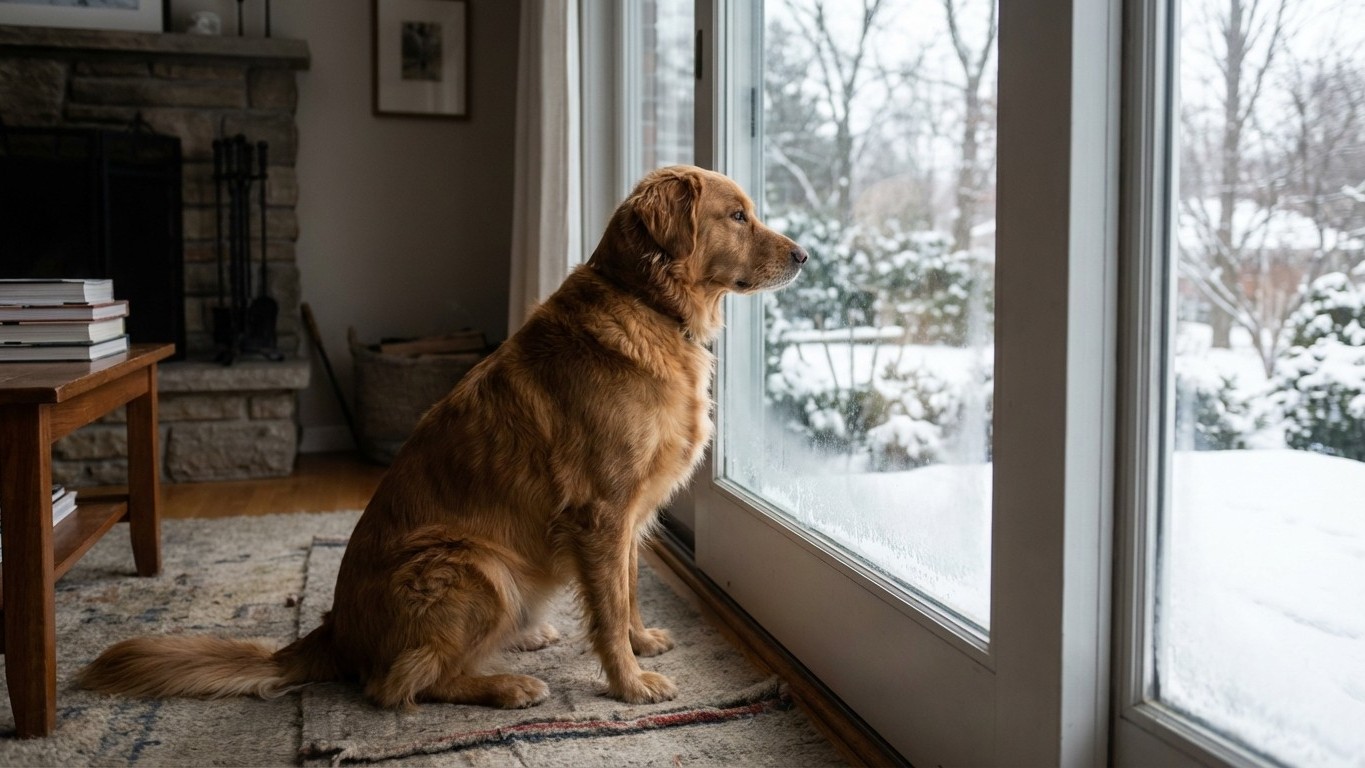
As winter sets in, many dog owners notice an uptick in their pets’ barking. This seasonal change can be perplexing and, at times, frustrating. Understanding the underlying causes and recognising common Mistakes can help in effectively calming your canine companion during the colder months.
Key takeaways
- Why does your dog bark more as temperatures drop?
- Are your daily habits unintentionally fueling barking?
- Find out expert trainer advice to calm your noisy pup.
Why Do Dogs Bark More in Winter?
Several factors contribute to increased barking during winter:
Reduced Physical Activity: Shorter days and inclement weather often lead to fewer walks and outdoor play sessions. This decrease in physical exercise can result in pent-up energy, which dogs may release through barking. common dog behaviours that get worse in winter and why
Limited Mental Stimulation: With more time spent indoors, dogs might experience boredom due to a lack of mental engagement. This can manifest as excessive barking as they seek attention or stimulation. why dogs bark excessively in cold weather
Environmental Changes: Winter brings about changes such as increased darkness and unfamiliar noises from heating systems or snowploughs. These can make dogs more alert and prone to barking at perceived threats. seasonal barking why dogs bark more in winter or summer
Common Owner Mistakes That Exacerbate Barking
Owners may inadvertently reinforce barking behaviours through certain actions:
Responding to Barking: Reacting to a dog’s barking, whether by scolding or providing attention, can reinforce the behaviour. Dogs may interpret any response as a reward, encouraging them to continue barking. dog trainer says dog stop 192700743
Inconsistent Routines: Disruptions in daily schedules, common during winter months, can cause anxiety in dogs. This uncertainty may lead to increased barking as they attempt to cope with the changes. why dogs bark excessively in cold weather
Lack of Environmental Management: Allowing dogs unrestricted access to windows or yards where they can see passersby can trigger territorial barking. Without proper management, this behaviour can become habitual. excessive dog barking causes stop
Trainer-Recommended Strategies to Calm Your Dog
Implementing the following techniques can help reduce excessive barking:
Increase Physical Exercise: Ensure your dog receives adequate physical activity, even during winter. Short, frequent walks and indoor play sessions can help expend energy and reduce restlessness. dont let the winter chill take a bite out of your dogs health
Provide Mental Stimulation: Engage your dog with puzzle toys, training exercises, and interactive games to keep their mind active and prevent boredom-induced barking. why dogs bark excessively in cold weather
Establish a Consistent Routine: Maintain regular feeding, exercise, and playtimes to provide a sense of stability, reducing anxiety-related barking. why dogs bark excessively in cold weather
Manage the Environment: Limit your dog’s exposure to external stimuli that may trigger barking. Use curtains or frosted window films to block views of passersby and create a quiet, comfortable space away from high-traffic areas. excessive dog barking causes stop
Ignore Attention-Seeking Barking: Avoid responding to barking that seeks attention. Instead, reward your dog when they are quiet, reinforcing calm behaviour. curb excessive dog barking
Teach the “Quiet” Command: Train your dog to understand a cue for silence. When they begin to bark, wait for a pause, then say “quiet” and reward them if they remain silent. Consistent practice can help them associate the command with the desired behaviour. dog barking how to stop your dog from barking
By understanding the reasons behind increased barking in winter and addressing common mistakes, you can implement effective strategies to help your dog remain calm during the colder months. Remember, patience and consistency are key. If challenges persist, consulting a professional dog trainer or behaviourist can provide tailored guidance for your specific situation.