
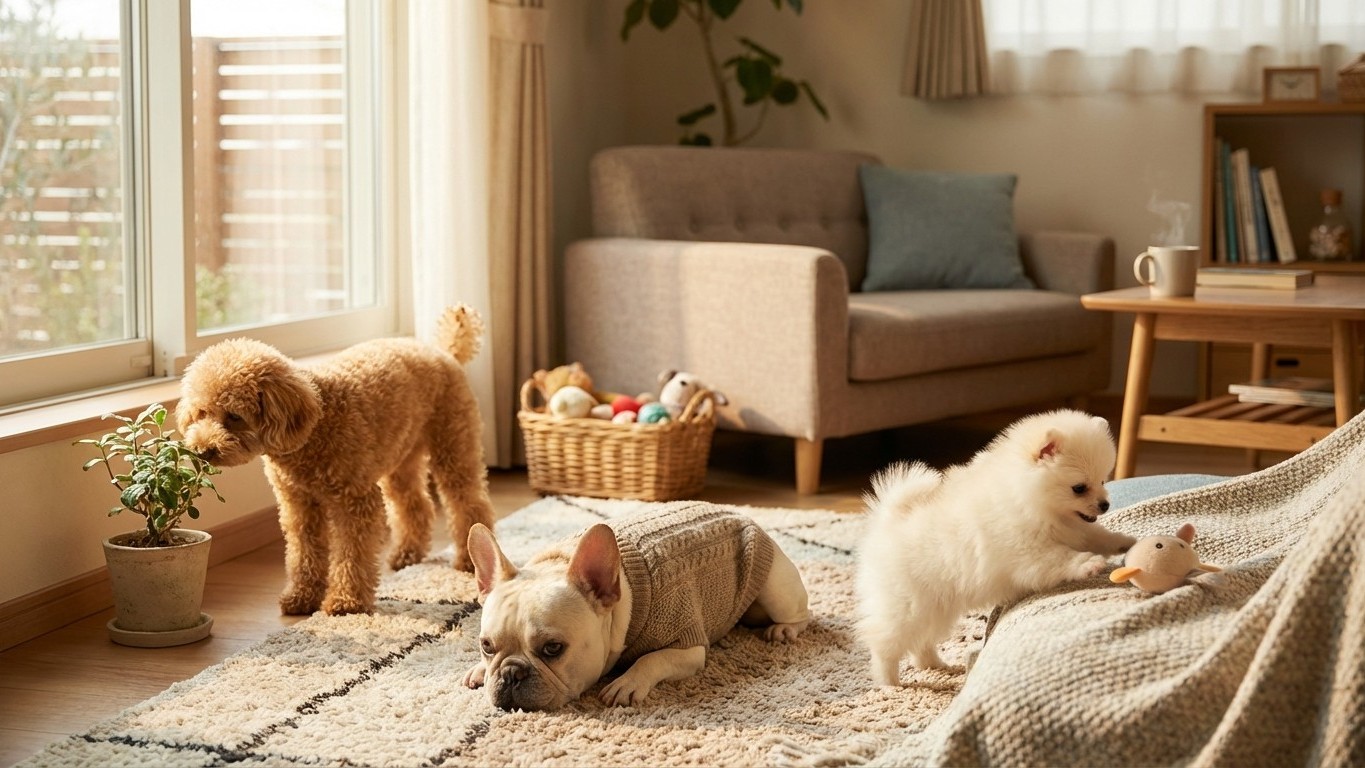
Tiny paws, enormous personality. Small dogs have a way of filling a room, and your heart, that has nothing to do with their physical dimensions. Whether you’re drawn to the feisty confidence of a Chihuahua, the silky elegance of a Yorkshire Terrier, or the cloud-like cheerfulness of a Bichon Frisé, choosing a small breed is rarely a casual decision. There’s a lot packed into those compact bodies: specific health needs, distinct temperaments, and genuine lifestyle requirements that don’t simply vanish because the dog weighs five kilograms.
This small dog breeds guide goes beyond a simple list. The goal here is to give you a genuinely honest picture, the real advantages, the real constraints, and most importantly, which types of people and households will actually thrive with a small dog. Because the wrong match, however cute the dog, is the beginning of a long unhappy story for both parties.
What Actually Counts as a Small Dog?
There’s no single universal definition, but in practical terms most vets and kennel clubs consider dogs weighing under 10 kilograms to fall into the small category, with some classifications stretching slightly to 12 kilograms. Height-wise, that typically means under 35 centimetres at the shoulder. Within this broad group, there’s enormous variety: toy breeds (Chihuahuas, Pomeranians, Toy Poodles) often sit well below 5 kg, while breeds like the Cavalier King Charles Spaniel or the Miniature Schnauzer sit at the upper end of the small spectrum.
A Few Emblematic Breeds Worth Knowing
The Yorkshire Terrier is Britain’s most beloved small breed, combining a glossy, silky coat with a terrier’s stubborn confidence. The Chihuahua, the world’s smallest recognised breed, is often misunderstood, labelled aggressive when it’s usually just under-socialised and anxious. The Bichon Frisé is one of the better options for allergy sufferers, thanks to its low-shedding coat, and tends toward a genuinely sunny disposition. The Shih Tzu, bred for centuries as a companion dog in Chinese imperial courts, is calm and affectionate but requires committed grooming. The Pug, the French Bulldog’s flat-faced cousin, is endlessly charming and genuinely low-energy, though its brachycephalic anatomy brings real health considerations. Then there’s the Miniature Dachshund, built like a footnote and possessed of the confidence of a much larger dog.
The Genuine Advantages of Small Dogs
Life with a small dog is, in many practical ways, genuinely easier. Not simpler in terms of training or emotional investment, but logistically more manageable. A dog that weighs four kilograms eats a fraction of what a Labrador consumes. Food costs, flea treatments, prescription medications — all are typically calculated by weight, which means small breeds cost considerably less to maintain month to month.
Apartment Life and Urban Living
Small dogs are naturals in apartment settings, not because they don’t need exercise, many do, but because their exercise needs can be met more easily. A brisk 30-minute walk suits a Bichon just fine; a Border Collie in the same flat would quietly unravel. This makes small breeds genuinely well-suited to urban living, where green space is limited and lifts don’t always work. They’re also far easier to manage in shared buildings, though this doesn’t mean they’re automatically quiet (more on that shortly).
Travel and Mobility
If you travel regularly, a small dog changes the equation considerably. Many airlines allow dogs under a certain weight to travel in-cabin rather than in the hold. On trains, in holiday cottages, in friends’ homes, a small dog is simply less disruptive. You can carry them when a situation demands it, which is occasionally a genuine advantage rather than mere indulgence. For owners who want their dog genuinely integrated into their daily life rather than left behind, this portability matters.
The Limits Nobody Tells You About
Here’s where most breed guides go quiet, and they shouldn’t. Small dogs come with real constraints that catch unprepared owners off guard.
Health and Lifespan: The Vigilance Required
The good news is that small breeds tend to live longer than large ones : 12 to 16 years is common, with some individuals pushing 18. The less comfortable news is that many small breeds carry specific hereditary health risks. Cavalier King Charles Spaniels have a well-documented predisposition to mitral valve disease and syringomyelia. Yorkshire Terriers can be prone to portosystemic shunts and tracheal collapse. Brachycephalic breeds (Pugs, French Bulldogs, Pekingese) face respiratory challenges that require careful monitoring — and in some cases, corrective surgery. Always, always consult a vet before choosing a breed with known health vulnerabilities, and ask to see health screening results from reputable breeders.
Fragility and Daily Precautions
A small dog is physically fragile in ways that require genuine behavioural adjustments from the humans around them. A Chihuahua dropped from sofa height can fracture a leg. A Yorkshire Terrier startled underfoot can be seriously injured. Young children who haven’t yet developed gentle impulse control can inadvertently hurt a tiny dog, and a frightened, hurt dog may bite. This isn’t a reason to avoid small breeds, but it is a reason to be honest about your household’s dynamics.
Barking, Anxiety, and the “Small Dog Syndrome” Myth
Many small dogs bark more than larger breeds. This isn’t inevitable, but it is common, and it’s frequently the result of under-training rather than breed destiny. Owners often let small dogs get away with behaviours they’d never tolerate in a Labrador, which creates anxious, reactive dogs that bark at everything and display guarding behaviours around their owners. Consistent training from puppyhood is non-negotiable, regardless of size. The good news: breeds like the Basenji (admittedly not tiny, but small), the Cavalier King Charles Spaniel, and the Shih Tzu tend to be quieter by nature. Chihuahuas and Miniature Pinschers are among the more vocal.
Who Actually Thrives With a Small Dog?
Being honest about this saves a lot of misery on both ends of the lead.
Seniors and Less Active Adults
Small breeds are often recommended for older adopters, and with good reason, though the match needs careful thought. A low-energy lap dog like a Shih Tzu or a Maltese suits a quieter household well. A Jack Russell Terrier (technically small at around 6–8 kg) is a different matter entirely: high-energy, tenacious, and genuinely demanding. Seniors benefit most from calm, affectionate breeds that don’t require sustained physical effort to exercise. The emotional companionship offered by a small dog can be genuinely profound.
Families and Children: The Honest Picture
Small dogs and young children can coexist happily, but it requires supervision and education, of the children as much as the dog. Breeds with a robust, tolerant temperament (Cavalier King Charles Spaniels, Bichon Frisés) handle the unpredictability of family life better than highly sensitive or anxious breeds. Chihuahuas and Dachshunds can be wonderful family dogs in the right context, but they’re not typically the best choice for a household with toddlers.
Young Professionals and Couples
For active couples or individuals with flexible working arrangements, small breeds offer genuine lifestyle integration. They’re social, manageable in urban environments, and many adapt well to varied routines. The caveat: if you’re working long hours away from home, even a small dog needs company. Separation anxiety is common in many companion breeds, and it manifests destructively.
Small Dogs and Other Pets
Most small breeds socialise reasonably well with other dogs, particularly if introduced young. Cats are a different question, terrier-type small dogs often have a strong prey drive and may not coexist peacefully with felines. Spaniels and Bichon types tend to be more adaptable. With rabbits, guinea pigs, or birds, any dog with a hunting instinct needs careful management.
Choosing Your Breed: The Criteria That Actually Matter
Energy level is the variable most people underestimate. A Toy Poodle is bright, active, and needs mental stimulation daily. A Pekingese is content with a gentle stroll. Matching the dog’s energy to yours isn’t optional, it’s the foundation of a functional relationship.
Grooming requirements deserve equal consideration. Long-coated breeds like the Maltese, Shih Tzu, and Yorkshire Terrier need professional grooming every six to eight weeks, which adds up financially over a lifetime. Short-coated breeds like the Smooth-coated Chihuahua or the Miniature Pinscher are far lower maintenance in this regard. For allergy sufferers, low-shedding breeds (Bichon Frisé, Toy Poodle, Maltese) are worth prioritising, though no dog is entirely hypoallergenic, it’s the dander and saliva proteins that trigger reactions, not just the fur.
Comparing the Most Popular Small Breeds
| Breed | Weight | Energy Level | Grooming | Good With Kids | Barking |
|---|---|---|---|---|---|
| Yorkshire Terrier | 2–3 kg | Moderate–High | High | With older children | Moderate–High |
| Chihuahua | 1.5–3 kg | Moderate | Low–Moderate | Older children only | High |
| Bichon Frisé | 3–5 kg | Moderate | High | Yes | Low–Moderate |
| Shih Tzu | 4–7 kg | Low–Moderate | Very High | Yes | Low |
| Cavalier King Charles | 5–8 kg | Low–Moderate | Moderate | Excellent | Low |
| Pug | 6–8 kg | Low | Low | Yes | Low |
| Toy Poodle | 2–4 kg | High | High | Yes | Moderate |
| Miniature Dachshund | 4–5 kg | Moderate | Low–Moderate | With supervision | Moderate–High |
Frequently Asked Questions About Small Dog Breeds
What are the real advantages of owning a small dog?
Lower food and medication costs, easier transport, suitability for smaller living spaces, and typically longer lifespans are the most concrete benefits. Beyond practicalities, many small breeds were specifically developed as companion animals over centuries, which means they’re often deeply attuned to human emotional cues.
Which small dogs bark the least?
The Shih Tzu, Cavalier King Charles Spaniel, Maltese, and Pug are generally among the quieter small breeds. It’s worth remembering that individual temperament and training history matter enormously, a well-trained Chihuahua can be far quieter than a neglected Cavalier.
Are small dogs suitable for family life and apartments?
Many are, with the right breed choice and honest assessment of your household. Calm, tolerant breeds like the Bichon Frisé or Cavalier King Charles Spaniel adapt well to both apartments and families with children. High-strung or physically fragile breeds need more careful management around young children and busy environments.
Exploring Beyond Small: Your Next Steps
If you’re still weighing your options or wondering whether a larger dog might actually suit your lifestyle better, the medium dog breeds guide explores breeds that offer a compelling middle ground between compact convenience and physical robustness. For those curious about the full spectrum, the large dog breeds guide covers what it genuinely costs, in space, time, and money, to share your life with a bigger dog. And if you’re approaching this decision from scratch, the dog breeds guide provides a structured framework for matching any breed to your specific lifestyle, priorities, and expectations.
The small dog that’s right for you probably isn’t the one you saw in a café last Tuesday and immediately fell in love with. But that dog, or one very much like it, might genuinely be out there. Taking the time to understand what small breeds actually need, not just what they look like on Instagram, is what makes the difference between a mismatch and a relationship that lasts fifteen wonderful years.