
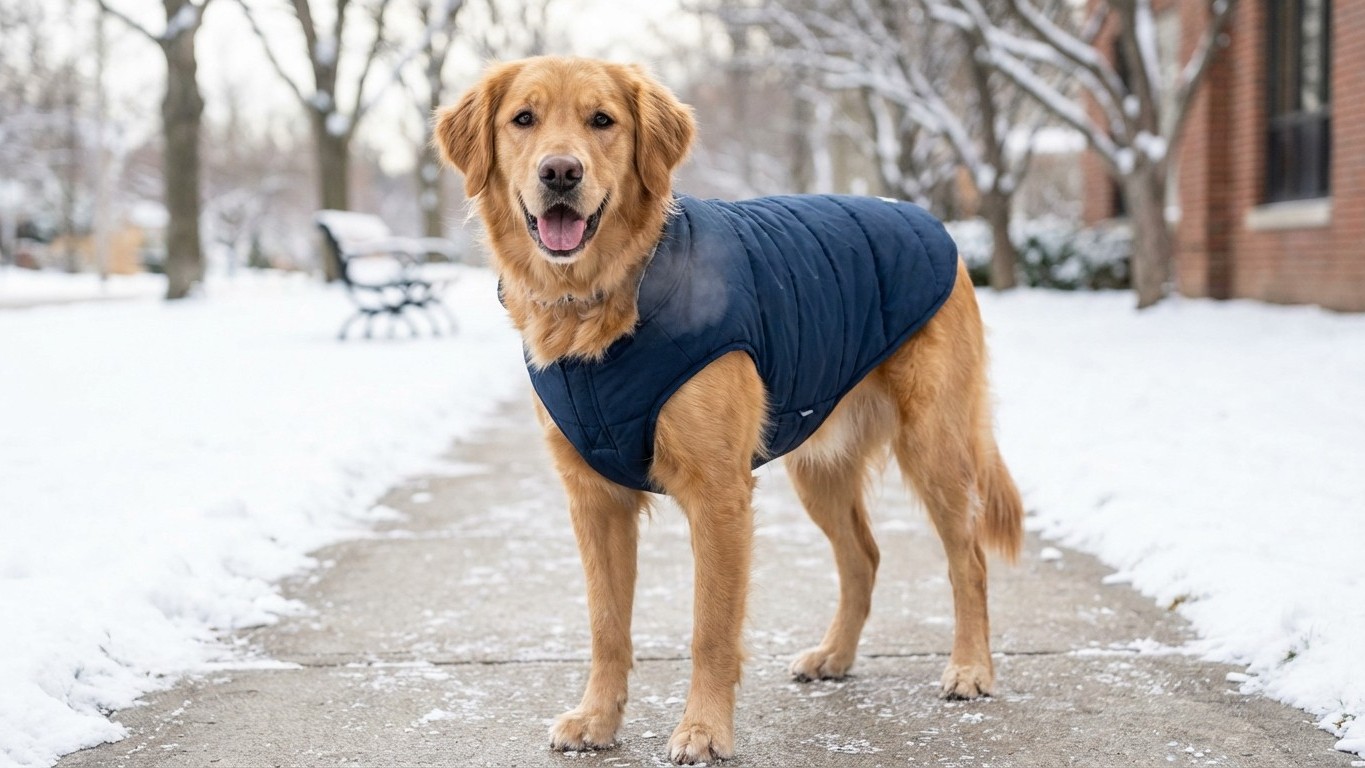
As winter’s chill sets in, many dog owners ponder whether their furry companions need extra protection against the cold. The answer isn’t one-size-fits-all; it depends on various factors, including breed, age, health, and the severity of the weather.
Key takeaways
- Not all dogs need winter coats—find out which ones do.
- Learn key signs your dog might be feeling the cold.
- Discover how to pick and introduce the perfect winter coat.
Understanding Your Dog’s Cold Tolerance
Dogs come equipped with their own natural insulation, but not all are equally prepared for winter’s bite. Breeds with thick, double-layered coats, like Huskies and German Shepherds, are naturally more resilient to cold temperatures. In contrast, short-haired breeds such as Greyhounds, Whippets, and Dobermans lack this natural protection and may feel the cold more acutely. Puppies, senior dogs, and those with health issues or low body fat are also more susceptible to the cold and might benefit from additional warmth during winter outings.
When Does Your Dog Need a Coat?
Determining whether your dog needs a coat involves observing their behaviour and considering the Weather conditions. Signs that your dog is feeling the cold include shivering, reluctance to walk, or lifting paws off the ground. If temperatures drop below 7°C, especially with added wind or rain, it’s wise to consider a coat for dogs that are less tolerant of the cold. For healthier, thicker-coated dogs, a coat may not be necessary unless the weather is particularly harsh.
Choosing the Right Coat
Should you decide that your dog would benefit from a coat, selecting the appropriate one is crucial. A good dog coat should:
- Provide adequate coverage, especially over the chest and belly, as these areas are more vulnerable to the cold.
- Be made of waterproof or water-resistant material to keep your dog dry in wet conditions.
- Fit snugly without restricting movement; you should be able to fit two fingers between the coat and your dog’s body.
- Include reflective elements if you often walk in low-light conditions to enhance visibility.
Introducing the coat gradually can help your dog become Comfortable wearing it. Start by letting them wear it indoors for short periods, offering treats and praise to create a positive association.
Additional Winter Care Tips
Beyond clothing, there are other considerations to Keep Your Dog safe and comfortable during winter:
- Paw Protection: Road salt and grit can irritate your dog’s paws. Rinse their paws with warm water after walks to remove any residues and prevent discomfort.
- Exercise Adjustments: Cold weather might limit outdoor activities. Engage your dog with indoor games and training sessions to keep them mentally and physically stimulated.
- Hydration and Nutrition: Ensure your dog stays hydrated and monitor their food intake, adjusting portions if their activity level decreases to prevent weight gain.
- Safe Walking Practices: Keep your dog on a lead near frozen bodies of water to prevent accidents, as ice may not support their weight.
Remember, each dog is unique. Paying attention to your dog’s specific needs and behaviours will guide you in providing the best care during the colder months. If you’re ever uncertain about your dog’s health or comfort in winter conditions, consulting your veterinarian is always a prudent step.