
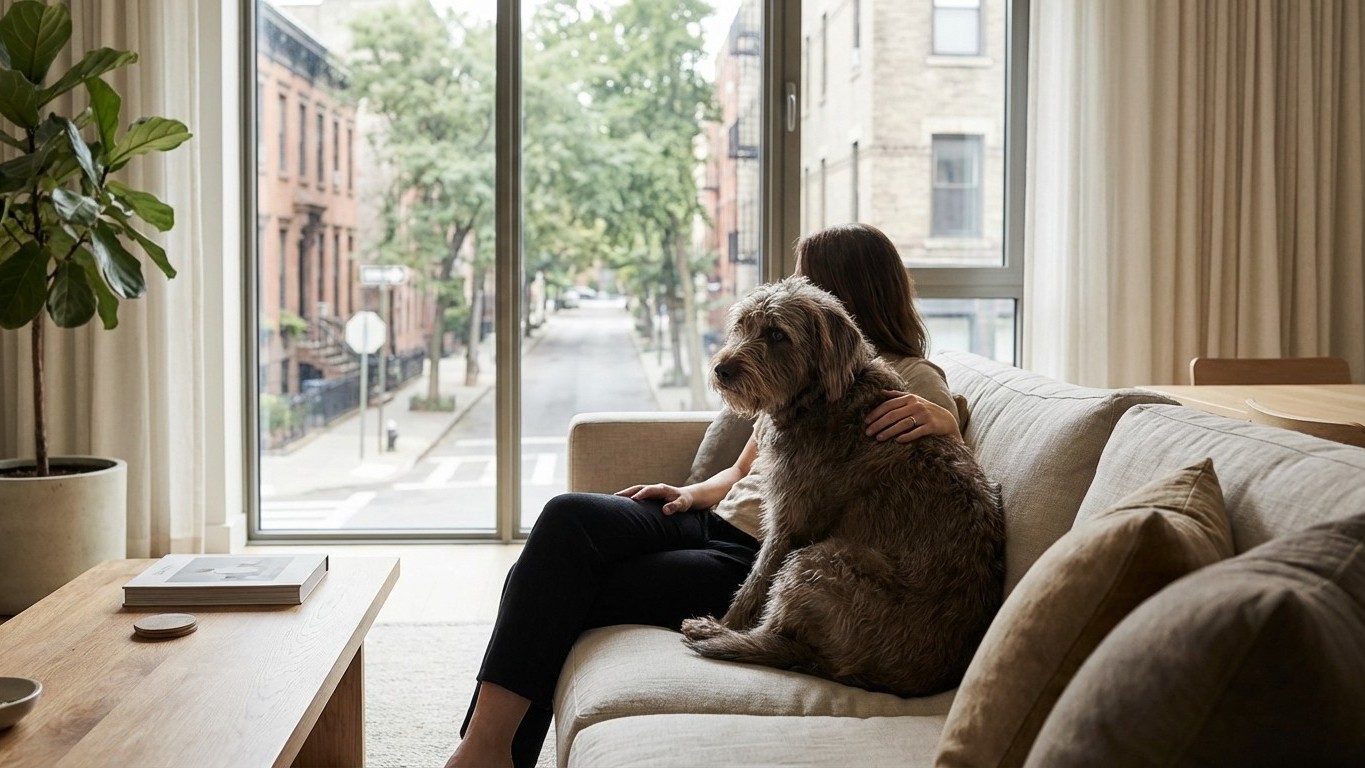
Choosing a dog for flat life in the UK is never just about size. The noise factor matters enormously, for your neighbours, for your landlord, and frankly for your own sanity at 7am on a Sunday. Barking is one of the most common sources of neighbour disputes in British residential buildings, and in a leasehold flat, a persistently noisy dog can even put your tenancy at risk. The good news? Some breeds are genuinely, reliably quieter than others, and with the right approach, peaceful urban coexistence with a dog is entirely achievable.
Why barking is such a big deal in flat living
British noise nuisance law takes neighbour complaints seriously. Local councils can investigate persistent animal noise under the Environmental Protection Act 1990, and in severe cases, a noise abatement notice can be issued. Most leasehold agreements and tenancy contracts include clauses about pets and disturbance, so a dog that barks for hours while you’re at work isn’t just an inconvenience, it’s a legal liability. Beyond the paperwork, there’s also the social reality of sharing thin walls with people who did not choose to live next to a dog.
Excessive barking in dogs often stems from anxiety, boredom, territorial instincts, or simply a breed predisposed to vocalising. Some working and herding breeds, think Beagles, German Shepherds, or Miniature Schnauzers, were selectively bred to use their voices as a working tool. Asking them to be quiet in a flat is like asking a border collie not to herd the children: technically possible with training, but working against thousands of years of genetics. Choosing a breed with a naturally low tendency to bark is simply starting the game on easier ground.
What makes a breed genuinely quiet? Genetics, temperament, and environment
Barking tendency is shaped by a combination of breed genetics, individual temperament, early socialisation, and daily environment. Genetics lay the foundation, certain breeds were never developed as alarm dogs or hunters and simply have less vocal drive. The dog breeds temperament guide covers this in depth, but the short version is that brachycephalic breeds (those with flat faces, like French Bulldogs or Pugs) often bark less partly because their physiology makes sustained vocalisation more effortful. Sighthounds like Whippets were bred for silent pursuit rather than announcing their presence. The Basenji famously cannot bark at all in the conventional sense.
Temperament also plays a role that goes beyond pure breed lines. A calm, confident dog that doesn’t perceive every noise outside the door as a threat is far less likely to react vocally. This is why socialisation during puppyhood, exposure to lifts, traffic, other dogs, strangers in corridors — matters so much for flat-dwelling dogs. A poorly socialised dog of even a quiet breed can develop anxious barking habits. Environment completes the picture: a dog that is mentally stimulated, adequately exercised, and left alone for reasonable amounts of time will generally be far quieter than one that is bored, under-exercised, or chronically anxious.
For a broader look at how character traits vary across breeds, the dog breeds temperament guide offers useful context alongside the barking question.
The eight breeds worth knowing about
This isn’t a definitive ranking, individual dogs vary, but these eight breeds have a consistent reputation for low vocalisation and reasonable adaptability to flat life.
Basenji
The Basenji is the obvious starting point for anyone researching quiet dogs. Originally from Central Africa and one of the oldest domesticated breeds, the Basenji’s larynx is shaped differently from most dogs, producing a yodel-like sound called a “baroo” rather than a conventional bark. They’re athletic, independent, and not particularly cuddly, more cat-like in temperament, which suits some flat dwellers perfectly. They do need outdoor exercise and can be escape artists, so a secure park nearby is advisable.
French Bulldog
The Frenchie has become one of Britain’s most popular flat dogs, and the low-barking profile is a genuine part of that appeal. They’re affectionate, adaptable, and don’t require huge amounts of exercise. A word of caution: their brachycephalic anatomy means they can suffer from breathing difficulties, and responsible buyers should look carefully at breeding health standards. If you’re considering a French Bulldog, this is a conversation to have with your vet before committing.
Cavalier King Charles Spaniel
Gentle, sociable, and remarkably quiet by spaniel standards, the Cavalier is one of the most consistently recommended breeds for flat life. They’re good with children and other pets, don’t tend to be territorial, and generally only bark when something genuinely unusual happens. Their main health concern is mitral valve disease, which is hereditary, again, a topic for a proper conversation with a vet before purchasing.
Pug
Pugs are adaptable, affectionate, and rarely excessive barkers. They thrive on human company, which does mean they can develop separation anxiety if left alone too long, and an anxious Pug will bark. Managed with good routine and not left isolated for hours, they’re excellent flat companions. Like French Bulldogs, brachycephalic health considerations apply.
Whippet
Whippets are a genuine surprise to people who assume a sighthound needs acres of countryside. They’re sprinters, not marathon runners, and after a good run in the park they’re famously sofa-devoted for the rest of the day. They rarely bark, are gentle in the home, and are generally clean and low-odour. Cold sensitivity means they’ll want a warm bed and possibly a dog coat in winter, not a hardship in a centrally heated flat.
Shih Tzu
Bred as companion dogs for Chinese royalty, Shih Tzus have very little territorial or guard instinct, which translates to low-alert barking. They’re affectionate, adaptable, and get on well with other pets. Grooming demands are high, that beautiful coat needs regular attention, but for someone who enjoys that aspect of dog ownership, the Shih Tzu ticks most flat-living boxes.
Boston Terrier
Nicknamed “the American Gentleman” for their tuxedo markings and polite demeanour, Boston Terriers are alert without being yappy. They’re playful, intelligent, and bond closely with their owners. Another brachycephalic breed, so the same health considerations apply as with French Bulldogs and Pugs.
Standard Poodle
Often overlooked in this conversation because of their size, Standard Poodles are actually excellent flat dogs when exercised properly. They’re low-shedding (a bonus for allergies), highly trainable, calm indoors, and don’t tend to be vocal without reason. Their intelligence means they need mental stimulation, puzzle feeders, training sessions, but a bored Poodle is a trainable Poodle, which is far easier to address than a bored breed that simply wasn’t built for learning.
If you’re weighing up these breeds against your specific lifestyle, the calm dog breeds guide goes deeper into the day-to-day temperament profiles that matter for flat living.
A quick comparison
Here’s a snapshot of how these breeds stack up across the factors that matter most in a flat context:
- Basenji — virtually no conventional barking, high exercise need, independent temperament
- French Bulldog — low barking, moderate exercise, very sociable, health monitoring required
- Cavalier King Charles — low barking, moderate exercise, excellent with families, health monitoring required
- Pug — low barking, low exercise, company-dependent, health monitoring required
- Whippet — very low barking, moderate-high exercise bursts, calm indoors
- Shih Tzu — low barking, low exercise, high grooming commitment
- Boston Terrier — low-moderate barking, moderate exercise, highly trainable
- Standard Poodle — low barking, moderate-high exercise, hypoallergenic coat, excellent trainability
Practical ways to reduce barking, whatever breed you choose
Breed selection reduces the baseline, it doesn’t eliminate the variable. Even a Basenji can develop anxious vocalisations without proper management. Socialisation is the single most effective long-term investment: a puppy that has been calmly and positively exposed to the sounds, sights, and situations of flat life, lifts, communal corridors, postmen, other residents, will develop into a more confident and less reactive adult dog.
Routine matters more than most people realise. Dogs that know when walks happen, when feeding happens, and when their owner leaves and returns are less likely to develop anticipatory anxiety. Mental enrichment, sniff walks, puzzle feeders, short training sessions, addresses the boredom barking that catches many flat owners off guard. A dog that has genuinely used its brain during the day sleeps better and reacts less.
If barking persists despite good management, or if it seems linked to anxiety rather than boredom or territoriality, a certified clinical animal behaviourist is worth consulting. A vet can also rule out underlying medical reasons for sudden changes in barking behaviour, pain and cognitive changes in older dogs can both manifest as increased vocalisation. Always involve your vet before assuming a barking problem is purely behavioural.
The choice of breed is just one piece of the puzzle. For a fuller picture of what to weigh up before bringing any dog into a flat, from energy levels and grooming to allergy considerations and size, the dog breeds guide covers the broader decision-making framework in detail. Quiet is worth pursuing, but the right quiet dog is the one that fits your actual life, not just your walls.