
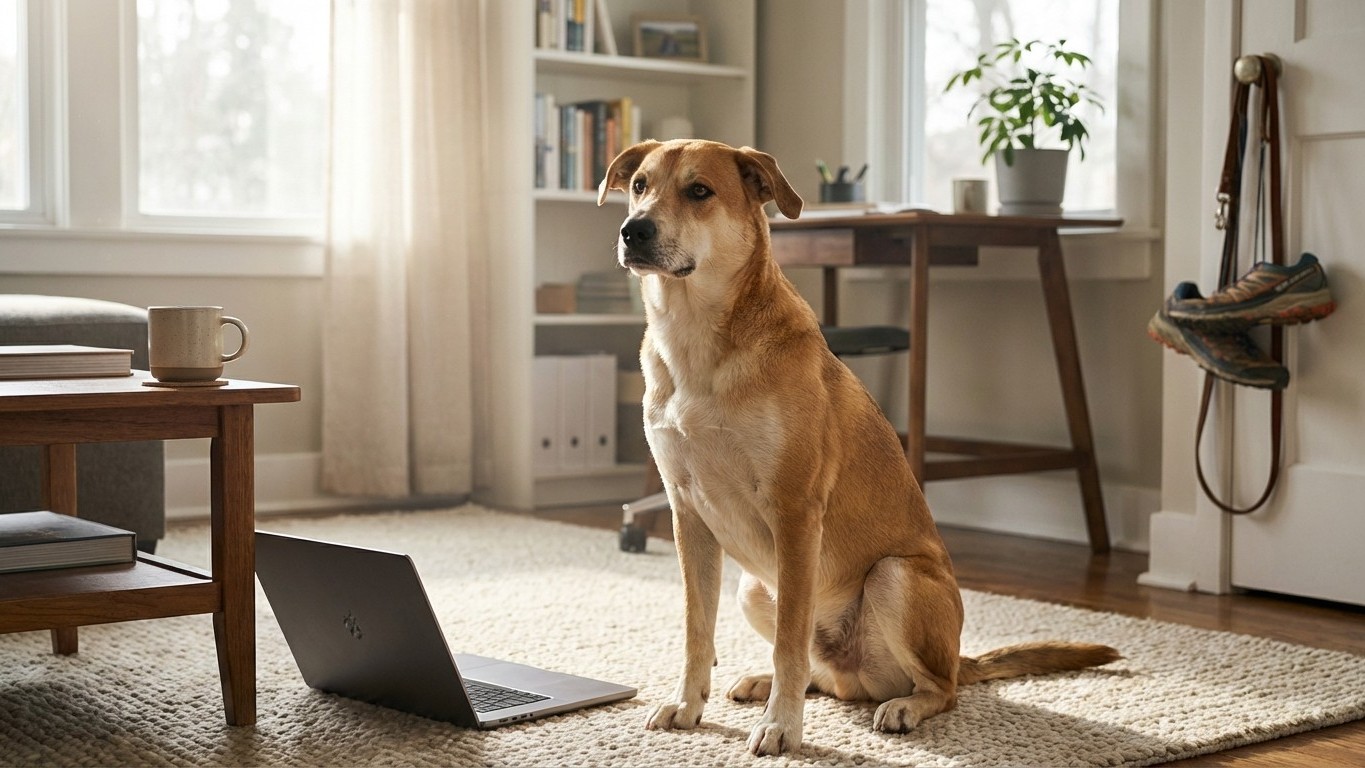
Somewhere between the handbag-sized Chihuahua and the sofa-hogging Great Dane lies a sweet spot that millions of dog owners quietly discover every year. Medium dog breeds, roughly those weighing between 10 and 30 kilograms and standing around 35 to 60 centimetres at the shoulder, manage to thread a needle that larger and smaller dogs often miss. They’re substantial enough to join you on a proper hike, adaptable enough to curl up in a modest flat, and robust enough to rough-and-tumble with children without either party getting hurt. That balance is why, when families or individuals sit down to think seriously about dog ownership, medium breeds so often end up at the top of the list.
What Exactly Counts as a Medium-Sized Dog?
There’s no single universally agreed definition, which can make breed research a bit confusing. The Kennel Club in the UK doesn’t use “medium” as a formal category, so the term is largely a practical one used by vets, trainers, and owners. Most professionals place medium dogs between 10 kg and 30 kg, with a height range of roughly 35 cm to 60 cm at the withers. That said, context matters: a 28 kg Border Collie feels very different to own than a 28 kg English Bulldog, even if they sit in the same weight bracket.
To give you a clearer picture, here are some well-known breeds that typically fall into this range, along with their general characteristics:
- Border Collie – 14–20 kg, highly intelligent, high energy
- Cocker Spaniel – 12–15 kg, affectionate, moderate energy
- Labrador Retriever (females) – 25–32 kg, gentle, adaptable
- Whippet – 12–18 kg, calm indoors, sprinter outdoors
- Staffordshire Bull Terrier – 11–17 kg, loyal, people-focused
For a broader overview of how size categories compare across the canine world, the dog breeds guide offers a comprehensive framework for matching breed traits to your lifestyle before you commit to a specific size group.
Why Medium Breeds Work for Most People
The family factor
Ask any experienced dog trainer which size group tends to integrate most smoothly into family life, and medium breeds will come up repeatedly. The reasons are partly physical and partly temperamental. A dog weighing 15 to 25 kg is unlikely to accidentally knock over a toddler simply by wagging its tail with enthusiasm (a concern that owners of Irish Wolfhounds know all too well), but it’s also sturdy enough not to be inadvertently harmed by a clumsy five-year-old’s affections. Many of the breeds that behavioural research consistently highlights as family-friendly, including Cocker Spaniels, Whippets, and Springer Spaniels, sit squarely in this size range.
There’s also a financial dimension worth being honest about. Food costs, veterinary fees, boarding expenses, and even the price of beds and harnesses all scale with size. Medium dogs land in a genuinely middle-ground cost bracket. You won’t face the feed bills of a large dog breeds guide subject like a Rottweiler or Bernese Mountain Dog, but you also won’t be navigating the sometimes-complex health landscape of very small breeds, which the small dog breeds guide covers in detail.
Adaptability across living situations
One of the most persistent myths in dog ownership is that medium breeds need a house with a garden. Some do, absolutely. A Border Collie needs serious daily exercise and mental stimulation regardless of whether you live in a cottage or a city flat. But a Whippet, despite its athletic appearance, is famously content on a sofa between two daily sprints in the park. A Cocker Spaniel thrives with a brisk walk morning and evening and a garden is a bonus, not a requirement.
The key variable isn’t the dog’s size, it’s the breed’s energy profile. Medium breeds span an enormous range here, from the intense working drive of the Border Collie to the relaxed disposition of the Basset Hound. This variety is actually an advantage: whatever your living situation, there’s almost certainly a medium breed whose exercise needs map onto your realistic daily routine.
Energy, Temperament, and What Changes with Age
Puppies of medium breeds can be surprisingly chaotic. A six-month-old Spaniel or Vizsla has energy that seems disproportionate to its size, and the adolescent phase (roughly eight months to eighteen months, depending on the breed) is when many owners find themselves questioning their life choices. This is normal, and it passes. The payoff is that medium breeds typically mature into well-balanced adult dogs that are genuinely manageable without requiring the level of specialist handling that some large working breeds demand.
Senior medium dogs tend to age gracefully compared to both ends of the size spectrum. Very large breeds often face significant joint issues and shortened lifespans, with many giant breeds averaging eight to ten years. Tiny breeds can develop dental disease and tracheal problems as they age. Medium breeds, broadly speaking, tend to live between twelve and fifteen years, though this varies considerably by breed, and their physical decline is often more gradual. A twelve-year-old Whippet can still enjoy a reasonable daily walk; a twelve-year-old Great Dane is, statistically, quite elderly.
Mental stimulation matters throughout all life stages. Medium-sized working breeds like Border Collies and Springer Spaniels need puzzle feeders, training sessions, and varied routes as much as they need physical exercise. Without mental engagement, these dogs can develop anxious or destructive behaviours regardless of how much they’re walked. If you’re looking at calmer options with lower cognitive demands, breeds like the Basset Hound or Bulldog (English) sit at the other end of the temperament dial.
Ten Medium Breeds Worth Knowing
These ten breeds give a sense of the range available within the medium category. They’re not ranked, because the “best” breed is entirely personal.
The Border Collie is brilliant and demanding in equal measure, genuinely unsuited to sedentary owners. The Cocker Spaniel is affectionate and eager to please, with ears that require regular grooming attention. The Whippet is the quiet surprise of the medium group: gentle, low-shedding, and calm at home, yet capable of explosive speed outdoors. The Staffordshire Bull Terrier has a reputation that doesn’t match reality; most Staffies are deeply people-oriented and excellent with children.
The Springer Spaniel brings boundless enthusiasm and a waterproof enthusiasm for mud. The Vizsla is an elegant Hungarian breed that bonds intensely with its family and thrives on exercise. The Basenji barely barks (it produces a distinctive yodel), has cat-like grooming habits, and suits owners who want something genuinely different. The Siberian Husky sits at the upper end of the medium range and comes with a strong prey drive and vocal personality that demands an experienced owner.
The Beagle is nose-driven to a fault and needs a securely fenced garden, but its compact size and sociable nature make it popular with families. Finally, the Brittany (sometimes called the Brittany Spaniel) is a French breed that’s gaining popularity in the UK for its manageable size, athletic ability, and gentle temperament with children.
Who Medium Dogs Actually Suit
Couples in their thirties with an active weekend lifestyle and a two-bedroom flat in Manchester? A Whippet or a Cocker Spaniel is a plausible fit. A retired couple with a garden in Yorkshire? A Basset Hound or an older rescue Staffordshire Bull Terrier might be ideal. Families with primary school-aged children and access to open space? A Springer Spaniel or Labrador (female, sitting just at the upper medium threshold) could be genuinely joyful.
What medium breeds are less suited to is prolonged, frequent isolation. Dogs in this size range tend to be sociable animals that form strong attachments to their people. That’s a feature in family settings, but it becomes a problem if the dog is regularly left alone for eight or more hours. Whatever breed you’re considering, your working patterns matter as much as your home size or activity level.
Health and Maintenance: What You Should Know Upfront
Responsible ownership starts with knowing what you’re signing up for. Cocker Spaniels need regular ear cleaning and grooming every six to eight weeks. Border Collies can be prone to hip dysplasia and eye conditions. Staffordshire Bull Terriers are generally robust but can develop skin allergies. Whippets, despite their fine coats, can be sensitive to cold and may need a dog coat in winter.
Health costs are genuinely unpredictable, which is why pet insurance is worth considering from day one rather than as an afterthought after the first expensive vet visit. Always consult a vet about breed-specific health screening before purchasing a puppy, and ask breeders directly about the health history of the parent dogs. Any reputable breeder will welcome those questions.
Grooming requirements vary enormously within the medium category, from the smooth-coated Whippet that barely needs brushing, to the dense double coat of a Siberian Husky that sheds seasonally with vigour. Factor time and budget into your decision accordingly.
How to Choose the Right Medium Breed for You
The most useful exercise is honest self-assessment before you fall in love with a particular breed’s appearance. How many hours per day can you genuinely commit to exercise? Do you have allergies that might be triggered by heavy shedding? Do you have other pets, including cats, that a high-prey-drive breed might find irresistible? Do you travel frequently and need a dog that can adapt to kennels or house-sitters?
The small dog breeds guide comparative table gives useful context for understanding how medium breeds sit alongside smaller and larger options if you’re still weighing up size categories. Sometimes seeing the full spectrum in one place clarifies things faster than reading individual breed profiles in isolation.
Temperament tests and trial periods through rescue organisations are underused tools. Many rehoming centres let potential adopters spend time with a dog before committing, and adopting an adult medium-breed dog removes much of the uncertainty around temperament and energy levels that comes with a puppy.
Frequently Asked Questions
What are the most popular medium dog breeds in the UK?
Cocker Spaniels consistently rank among the most popular breeds registered with the Kennel Club, alongside Springer Spaniels, Border Collies, and Staffordshire Bull Terriers. Whippets have grown steadily in popularity over the past decade, particularly among urban owners.
Can a medium dog live happily in a flat?
Many medium breeds manage flat life perfectly well, provided they receive adequate daily exercise. Whippets and Basset Hounds are frequently cited as good flat companions. High-energy working breeds like Border Collies and Huskies are generally less suited to flat living unless their exercise needs are met very consistently.
What are the main advantages of a medium dog compared to small or large breeds?
Medium breeds typically offer a balance of physical robustness (making them suitable for active families), manageable exercise requirements for most lifestyles, moderate food and veterinary costs, and lifespans that tend to be longer than giant breeds. They’re versatile without requiring the specialist knowledge that some very large or very small breeds demand. If you’re still comparing across categories, the large dog breeds guide and the small dog breeds guide lay out the specific trade-offs at both ends of the scale.
The right dog isn’t the most popular one, or the prettiest, or the one your neighbour happens to have. It’s the one whose needs and personality genuinely fit the life you actually lead, not the life you intend to lead. Medium breeds just happen to offer more options for finding that match than almost any other size group.