
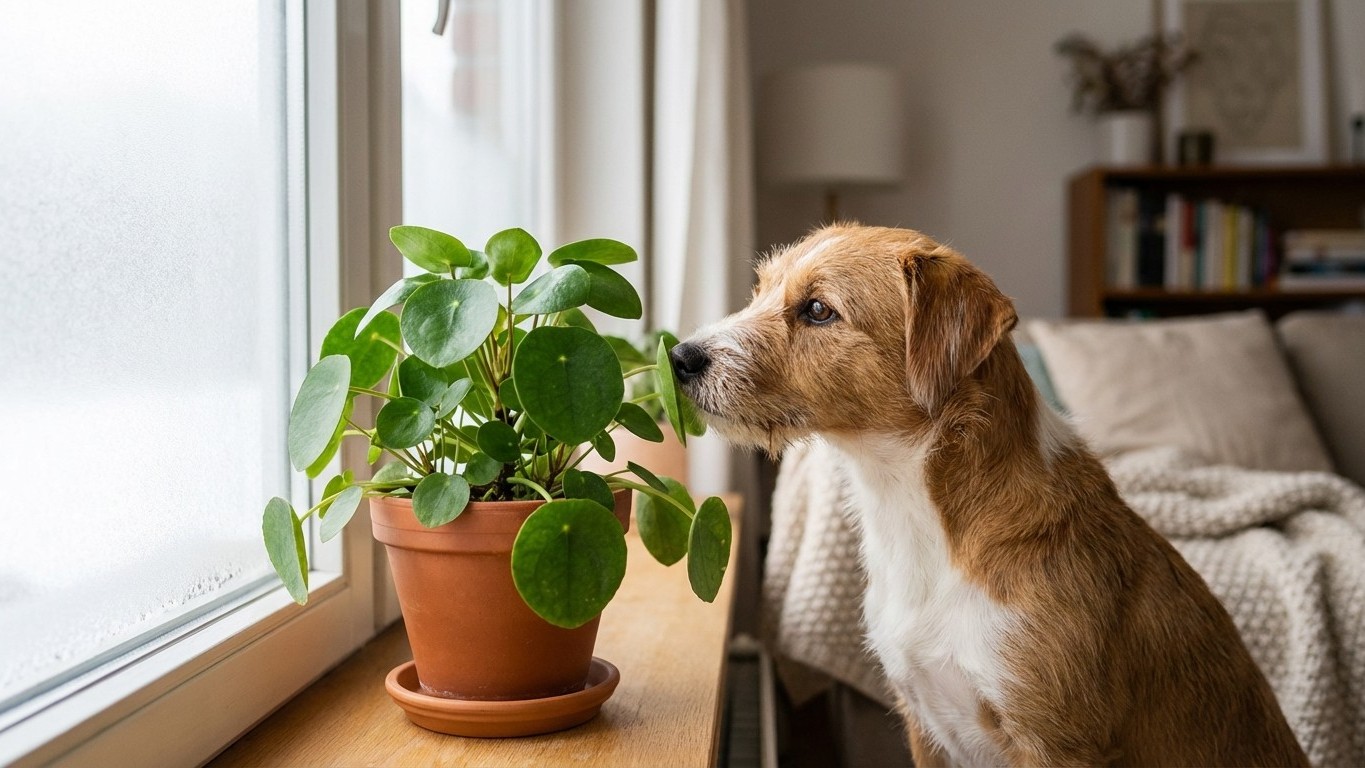
As the winter months draw in, many of us turn to houseplants to brighten our homes and lift our spirits. However, while these green companions can enhance our living spaces, they may pose hidden dangers to our furry friends. It’s essential to be aware of which plants are safe and which could be harmful to your pets.
Key takeaways
- Some common houseplants can cause serious harm to your pets.
- Winter hazards extend beyond plants, including salt and antifreeze dangers.
- Learn simple ways to keep your furry friends safe all season long.
Common Houseplants That Pose Risks to Pets
Several popular houseplants contain substances that can be toxic to cats and dogs. Here are some to be cautious of:
- Monstera (Swiss Cheese Plant): Contains insoluble calcium oxalate crystals, which can cause pain and swelling in a pet’s mouth if ingested. Cats are particularly sensitive, and even a small nibble can lead to discomfort. idealhome.co.uk
- Peace Lilies: While aesthetically pleasing, peace lilies are dangerous to cats due to their potential to cause severe kidney damage. Dogs may also experience stomach pain if they ingest parts of this plant. idealhome.co.uk
- Rubber Plants: Emit a milky sap that acts as a skin irritant and may cause vomiting if ingested by pets. idealhome.co.uk
- Snake Plants: Contain saponins, which can result in gastrointestinal upset in pets. idealhome.co.uk
- Aloe Vera: Although beneficial for humans, aloe vera contains anthraquinone glycosides, leading to vomiting and diarrhoea in pets. idealhome.co.uk
It’s worth noting that even non-toxic plants can cause mild gastrointestinal upset if ingested in large quantities. Therefore, it’s best to keep all plants out of reach of curious pets.
Winter-Specific Hazards
Beyond houseplants, winter introduces additional risks for pets:
- Rock Salt: Used to de-ice roads, rock salt is a mixture of salt and grit. If pets lick it off their paws or fur, it can lead to high blood sodium concentration, causing thirst, vomiting, lethargy, and in severe cases, convulsions and kidney damage. To prevent this, thoroughly wipe your pet’s paws, legs, and tummy after they’ve been outside. rspca.org.uk
- Antifreeze: Commonly used in car radiators, antifreeze contains ethylene glycol, which is highly toxic to pets. Even small amounts can cause kidney failure and be fatal. Ensure any spills are cleaned immediately, and keep containers out of reach. rspca.org.uk
- Seasonal Plants: Festive plants like mistletoe and poinsettia should be avoided, as they can be harmful to pets. cats.org.uk
Pet-Safe Alternatives
Fortunately, there are numerous pet-friendly plants that can safely adorn your home:
- Spider Plant (Chlorophytum comosum): Known for its air-purifying qualities, the spider plant is non-toxic to cats and dogs and thrives with minimal care. petdrugsonline.co.uk
- Calathea: With vibrant, patterned foliage, calatheas are safe for pets and can add a splash of colour to your home. petdrugsonline.co.uk
- Areca Palm: Also known as the butterfly palm, this plant is non-toxic to pets and adds a tropical feel to any room. petdrugsonline.co.uk
- Boston Fern: A lush, green plant that’s safe for pets and can thrive in various indoor conditions. argospetinsurance.co.uk
When introducing new plants into your home, always research their safety concerning pets. Even with non-toxic plants, it’s advisable to place them out of reach to prevent any potential issues.
Preventive Measures and What to Do in Case of Ingestion
To ensure your pets’ safety:
- Regularly inspect your home for potentially harmful plants and replace them with pet-safe alternatives.
- Place plants on high shelves or in rooms inaccessible to pets.
- Provide your pets with safe chew toys to deter them from nibbling on plants.
If you suspect your pet has ingested a toxic plant or substance, contact your veterinarian immediately. Symptoms of poisoning can include vomiting, diarrhoea, drooling, lethargy, and in severe cases, seizures. Prompt action can make a significant difference in your pet’s recovery.
By being vigilant and informed, you can create a safe and enjoyable environment for both your plants and your pets during the winter months and beyond.