
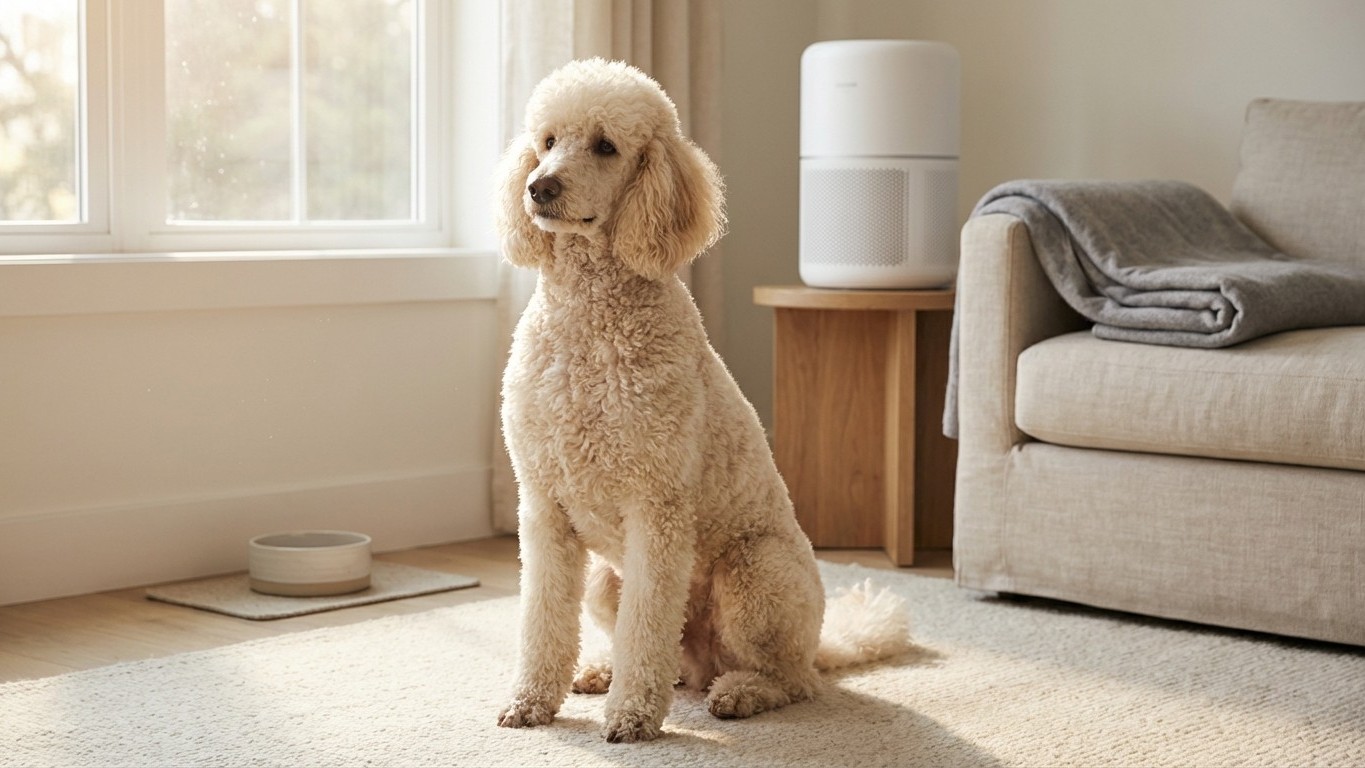
The label “hypoallergenic dog breed” gets thrown around constantly, on breeder websites, in pet shop windows, in well-meaning advice from friends who insist their Poodle is “totally safe” for people with allergies. The reality is messier, more interesting, and ultimately more useful to understand than any marketing claim. This guide exists to cut through the confusion, explain what the science actually says, and help you make a genuinely informed decision, whether you’re a lifelong allergy sufferer dreaming of owning a dog, or simply trying to understand why certain breeds are recommended over others.
What Does “Hypoallergenic Dog Breed” Actually Mean?
The Science Behind the Term
The word “hypoallergenic” comes from the Greek prefix hypo, meaning “under” or “below”. Applied to dogs, it doesn’t mean allergy-free. It means less likely to trigger an allergic reaction compared to other breeds. That distinction matters enormously. A hypoallergenic dog breed is one that, on average, produces fewer airborne allergens, sheds less fur into your living space, or releases lower quantities of the specific proteins that cause reactions in sensitive people.
The confusion arises because the term has been adopted enthusiastically by breeders and marketers without any standardised definition or regulatory oversight. There’s no official certification process, no independent body verifying these claims. When a breeder calls their Labradoodles “hypoallergenic”, they’re expressing an opinion about relative allergen load, not making a medically verified statement. That said, the underlying logic isn’t wrong. Some breeds genuinely do produce fewer allergens than others, and that can make a meaningful difference in day-to-day life for allergy sufferers.
Hypoallergenic vs Low Shedding vs Non Shedding
These three terms circulate constantly in breed discussions, often as if they were interchangeable. They’re not. Shedding refers specifically to how much loose fur a dog deposits around your home. A low-shedding dog drops relatively little hair; a non-shedding dog drops almost none. But here’s where it gets counterintuitive: a dog’s fur is not the primary source of the allergens that affect most people. You can have a dog that sheds almost nothing and still triggers significant allergic reactions.
For a fuller breakdown of the shedding spectrum and which breeds sit where, the low shedding dog breeds guide and the non shedding dog breeds guide cover this territory in detail. For now, the key takeaway is this: hypoallergenic is about allergen production, not just fur loss. The two often correlate, but they’re not the same thing.
How Dog Allergies Actually Work
The Proteins That Cause the Problem
Most people assume dog allergies are caused by fur. Understandable, given how visibly fur accumulates on sofas and clothing. But the actual culprits are proteins, specifically a group of proteins called Can f 1 through Can f 8 (Can f standing for Canis familiaris). The most prevalent of these, Can f 1 and Can f 2, are produced primarily in the dog’s salivary glands and skin cells, then spread via saliva, urine, and shed skin cells called dander.
Can f 1 in particular has been studied extensively. It’s found in the saliva, skin, and coat of virtually all dogs, regardless of breed. When a dog grooms itself, it coats its fur with saliva, which then dries and becomes airborne as microscopic particles. Those particles land on soft furnishings, float in the air, and eventually find their way into the airways of sensitive individuals. This is why simply having a non-shedding dog doesn’t eliminate the allergen problem: the protein is still being produced and distributed.
Why No Breed Is Truly 100% Non-Allergenic
Every dog produces these proteins. Every single one. The variation between breeds lies in how much they produce, how much dander they shed, and how their coat type affects the dispersal of allergens into the environment. Breeds with tightly curled or continuously growing coats (like the Poodle) tend to trap dander closer to the skin rather than releasing it freely into the air. That’s a genuine advantage. But “less” is not “none”.
Individual variation adds another layer of complexity. Two people with identical allergy profiles can respond completely differently to the same dog. One person might be fine around a Bichon Frisé; another might react badly. Individual dogs of the same breed also vary in their allergen output, sometimes substantially. A 2011 study published in the American Journal of Rhinology & Allergy found that homes with supposedly hypoallergenic breeds had similar levels of Can f 1 in the air as homes with non-hypoallergenic breeds, though there was considerable variation across individual households. The honest answer is that breed choice is one factor among many, not a guarantee.
The Breeds Most Commonly Recommended for Allergy Sufferers
With those caveats firmly in place, certain breeds do have consistently better reputations among allergy sufferers, backed by their coat characteristics and general patterns of allergen production. The hypoallergenic dog breeds guide companion page covers grooming and coat care in depth; here’s the practical overview.
| Breed | Coat Type | Shedding Level | Grooming Needs | Size |
|---|---|---|---|---|
| Poodle (all sizes) | Curly, continuously growing | Very low | High (professional grooming every 6-8 weeks) | Toy to Standard |
| Bichon Frisé | Soft curly undercoat | Very low | High (daily brushing, regular trimming) | Small |
| Schnauzer (all sizes) | Wiry double coat | Low | Moderate to high (hand-stripping or clipping) | Miniature to Giant |
| Bedlington Terrier | Thick, linty, lamb-like | Low | High (specialist grooming required) | Medium |
| Kerry Blue Terrier | Soft wavy | Very low | High (regular trimming) | Medium |
| Shih Tzu | Long, silky (hair-like, not fur) | Low | Very high (daily care or short clip) | Small |
| Maltese | Long, silky single coat | Very low | High | Small |
| Portuguese Water Dog | Wavy or curly | Low | Moderate to high | Medium |
| Chinese Crested | Hairless (with tufts) or powder puff | Minimal | Skin care essential for hairless variety | Small |
| Lagotto Romagnolo | Curly, woolly | Low | Moderate (regular trimming) | Medium |
A Closer Look at Ten Key Breeds
Poodle
The Poodle is probably the most frequently cited hypoallergenic breed, and for good reason. Its coat grows continuously rather than shedding in seasonal cycles, meaning loose hair and dander stay trapped close to the skin rather than floating through your home. Available in toy, miniature, and standard sizes, the Poodle suits a huge range of living situations. The trade-off is grooming: without regular professional clipping (typically every six to eight weeks), the coat mats badly and becomes uncomfortable for the dog.
Bichon Frisé
The Bichon Frisé has a cotton-soft curly coat that, like the Poodle’s, traps shed hair and dander rather than releasing them. These are cheerful, sociable dogs that adapt well to flat life. Daily brushing is non-negotiable to prevent matting, and regular grooming appointments are needed to keep their distinctive rounded appearance. Allergy sufferers often report good tolerance, though individual responses vary.
Schnauzer
The Schnauzer’s wiry double coat is a different proposition entirely. Schnauzers shed very little, and their coat type is considered relatively low in allergen dispersal. They come in three sizes (miniature, standard, and giant), each with slightly different temperament and energy profiles. Traditional grooming for Schnauzers involves hand-stripping rather than clipping, which maintains the correct coat texture, though many pet owners opt for clipping for convenience.
Bedlington Terrier
One of the more unusual-looking breeds on this list, the Bedlington Terrier has a thick, crisp coat with a lamb-like appearance that turns heads on any walk. Shedding is minimal. The grooming is specialist: achieving the traditional Bedlington shape requires a skilled groomer who knows the breed. Their temperament is gentler than many terriers, which makes them an appealing option for families.
Kerry Blue Terrier
A breed with genuine character, the Kerry Blue Terrier has a soft, wavy coat that sheds very little and is generally well-tolerated by allergy sufferers. Born black, they develop their signature blue-grey colouring over the first eighteen months of life. They’re active dogs that need proper exercise and mental stimulation, and their coat requires regular trimming to stay manageable.
Shih Tzu
The Shih Tzu’s coat grows much like human hair rather than typical dog fur, which is part of why they’re often recommended for allergy sufferers. They shed minimally. The catch is that maintaining a long Shih Tzu coat is genuinely demanding, requiring daily brushing and regular bathing. Many owners keep their Shih Tzu in a shorter “puppy cut” for practical reasons. Worth noting: Shih Tzus are prone to certain respiratory issues, so choose a reputable breeder carefully.
Other Breeds Worth Considering
The Maltese shares many characteristics with the Shih Tzu in terms of coat type and low shedding. The Portuguese Water Dog became widely known after the Obama family chose one partly for allergy reasons, which tells you something about how mainstream this conversation has become. The Chinese Crested’s hairless variety produces very little dander, though the exposed skin requires its own dedicated care routine. The Lagotto Romagnolo, a curly-coated working dog from Italy, is less commonly discussed but worth attention for active owners.
Living with a Dog When You Have Allergies
Grooming as Allergen Management
Regular grooming isn’t just about aesthetics. Bathing your dog every one to two weeks has been shown to reduce the amount of Can f 1 present on their coat, at least temporarily. Brushing should ideally be done outdoors, or by someone who isn’t allergic, to avoid dispersing allergens through your home. For breeds with continuously growing coats, keeping the fur trimmed reduces the overall surface area that can trap and carry dander.
Many allergy sufferers find that professional grooming visits every six to eight weeks, combined with home maintenance, make a tangible difference to their symptoms. The hypoallergenic dog breeds guide on coat care goes into much more detail on specific grooming techniques for different coat types.
Managing Your Home Environment
Breed choice gets a lot of attention, but home management is equally important. A few practical measures that allergy sufferers consistently find helpful:
- Use a HEPA air purifier in rooms where the dog spends most time.
- Keep the bedroom a dog-free zone, at least initially, to give your respiratory system a break at night.
- Vacuum frequently with a HEPA-filtered vacuum cleaner, paying particular attention to soft furnishings.
- Wash the dog’s bedding weekly at a high temperature.
- Wash your hands after contact with the dog before touching your face.
Hard flooring is considerably easier to keep allergen-reduced than carpet. If you’re redecorating anyway, it’s worth factoring this in.
Testing Before You Commit
Before adopting any dog, spend meaningful time with the specific breed you’re considering. Not a brief meeting at a breeder’s, but several visits of an hour or more, in an indoor environment. Some allergists can also conduct skin prick tests or blood tests to identify which specific proteins you’re reacting to, which can help predict your tolerance for different breeds. This isn’t infallible, but it’s far more informative than guessing. Always consult your GP or an allergy specialist before making the final decision, especially if your reactions to dogs have previously been severe.
Frequently Asked Questions
What makes a dog hypoallergenic? A combination of factors: low shedding, a coat type that traps dander rather than releasing it, and (in some breeds) lower-than-average production of the specific proteins that trigger allergic reactions.
Can you be completely non-allergic to a dog breed? No breed guarantees a zero-reaction outcome. Individual dogs vary, individual people vary, and the proteins responsible for allergies are present in all dogs to some degree. Some people do find certain breeds completely manageable; others don’t. The only way to know is to spend time with the specific dog.
Which breeds are most tolerated by allergy sufferers? Poodles, Bichon Frisés, Schnauzers, and Portuguese Water Dogs are consistently mentioned. But “most tolerated on average” doesn’t mean “will work for you specifically”.
Do hypoallergenic dogs need more grooming? Generally yes. The coat types associated with lower allergen dispersal, curly, continuously growing, wiry, tend to require more frequent and more specialised grooming than standard short-coated breeds. This is a real commitment in both time and money.
Choosing the Right Breed for Your Situation
The concept of a hypoallergenic dog breed is useful as a starting point, but it shouldn’t be the only factor guiding your choice. Temperament, energy level, size, lifespan, and compatibility with your lifestyle all deserve equal weight. The dog breeds guide offers a comprehensive framework for working through these considerations alongside allergen concerns.
If you’re looking at this question through the lens of family life with children, the intersection of allergy management and child-friendly temperament adds another layer to the decision. Some of the most commonly recommended hypoallergenic breeds, particularly the Bichon Frisé and the Shih Tzu, are also well-suited to family environments, but this is worth exploring specifically for your circumstances.
The more you understand about the science behind dog allergies, the better placed you are to navigate the often hyperbolic claims in the breed world. A dog that produces “fewer” allergens is a genuinely meaningful advantage for many people. Just go in with clear eyes about what “hypoallergenic” can and cannot promise.
Further Reading and Resources
For more on how coat types affect allergen dispersal and what different grooming approaches can do to reduce dander in the home, explore our dedicated hypoallergenic dog breeds guide on shedding, grooming, and coat care. If the shedding question is your primary concern rather than allergen proteins specifically, the low shedding dog breeds guide and the non shedding dog breeds guide will give you the detailed breed comparisons you need. And if you’re still at the early stage of deciding which type of dog suits your life overall, the dog breeds guide is the right place to start.
Before adopting, always speak with your GP or an allergy specialist. Their input, combined with direct time spent with the breed you’re considering, is far more reliable than any label on a kennel club website.