
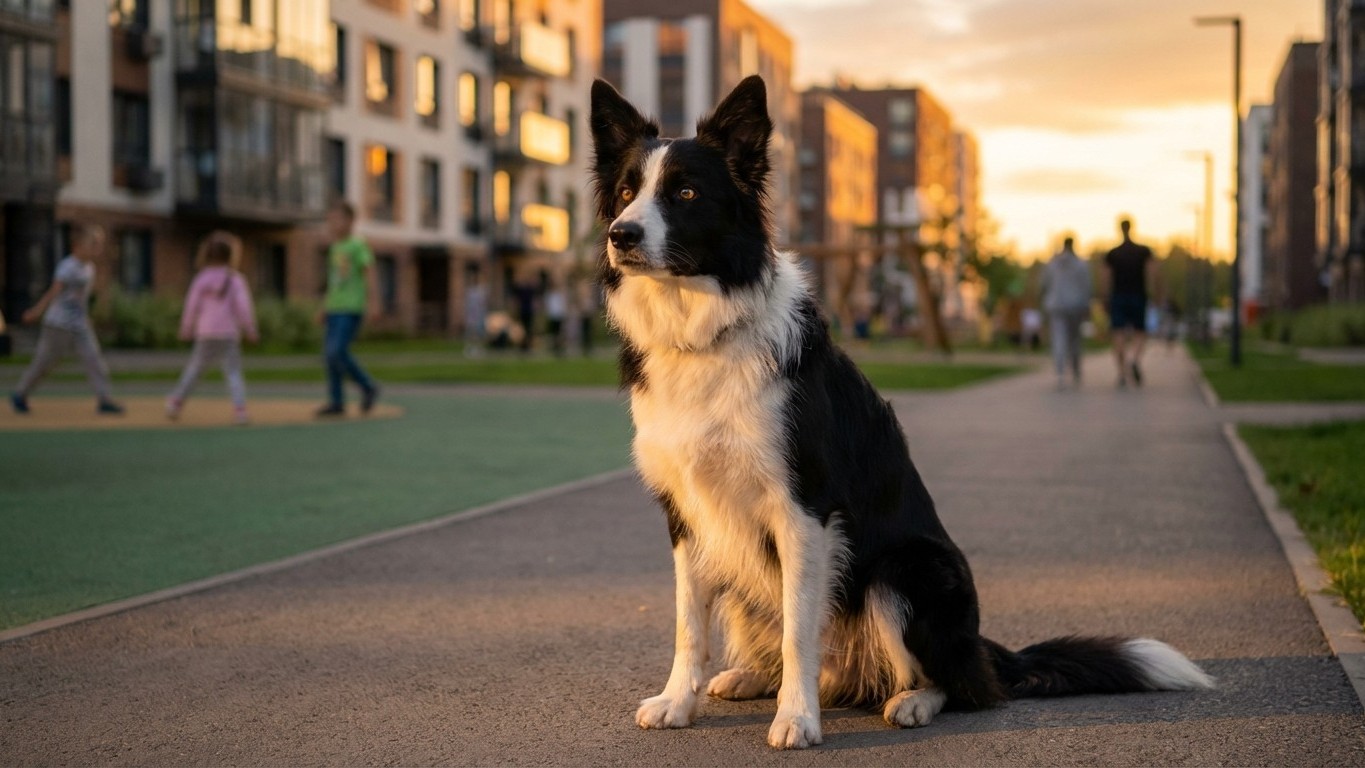
Border Collies that rearrange your furniture out of sheer frustration. Australian Shepherds that herd your children around the kitchen. German Shepherds that have memorised every object in the house and will tell you, loudly, if something moves. Herding dog breeds are, without question, some of the most extraordinary animals you can share your life with. They’re also the most likely to make you regret the decision if you underestimate what they actually need.
This herding dog breeds guide goes well beyond listing coat colours and height charts. The breeds gathered here share something that sets them apart from most of the canine world: a mind that genuinely needs to work. Understanding that is the difference between a harmonious household and an absolute chaos machine wearing a fluffy coat.
What Makes a Herding Dog? History, Function and How the Role Has Shifted
The herding group encompasses dogs selectively bred over centuries to manage livestock, controlling the movement of sheep, cattle, reindeer, or goats through a combination of eye contact, body pressure, barking, and sheer instinctive intelligence. Unlike guardian breeds that simply protect a flock by intimidating predators, herding dogs actively think, anticipate, and problem-solve in real time alongside a human handler.
The earliest ancestors of today’s herding breeds were likely general-purpose farm dogs that gradually specialised as livestock farming became more sophisticated. By the 19th century, regional breeds had developed with highly specific herding styles: the Border Collie’s intense, low-crouching “eye” technique differs markedly from the upright, loose-eyed, vocal approach of the Australian Cattle Dog, or the wide, sweeping gathers of a Bearded Collie working Scottish hillsides. Each style reflected the terrain, the livestock, and the demands of local farmers.
Today, the vast majority of herding dogs never see a sheep. They live in flats in Birmingham, terraced houses in Bristol, and suburban gardens in Surrey. Their instincts, however, haven’t read the memo. The genetic blueprint for anticipating movement, reacting to chaos, and working in close partnership with humans is still running in the background, and if it isn’t channelled into something constructive, it finds its own outlet.
A Tour of the Major Herding Breeds
European Herding Breeds
The Border Collie is almost certainly the first breed that comes to mind, and for good reason. Consistently ranked among the most intelligent dogs in the world, the Border Collie was developed on the Anglo-Scottish border to work vast, rough terrain with minimal verbal instruction. They learn new commands in very few repetitions and are extraordinarily sensitive to human body language and tone. The flip side: that same sensitivity can tip into anxiety if their environment is unpredictable or under-stimulating.
The Australian Shepherd (despite the name, a North American breed developed partly from Basque herding dogs) has surged in UK popularity. Athletic, versatile, and wildly expressive, Aussies thrive in active families. The German Shepherd bridges herding and working roles, originally bred in the late 19th century to standardise German herding dogs, it later became the definitive police, military, and service dog. Intelligence paired with a strong guardian instinct makes it both wonderfully loyal and intensely in need of direction.
Other European herders worth knowing include the Belgian Shepherd (four coat varieties including the striking Malinois), the Rough and Smooth Collie, the Shetland Sheepdog (compact, vocal, and almost absurdly clever), and the Bearded Collie. Each has its own working style and its own particular demands on an owner’s time and creativity.
Overlooked Herding Breeds From Around the World
Step outside the familiar names and there are breeds that deserve far more attention. The Icelandic Sheepdog is Iceland’s only native dog, a spitz-type herder used to drive livestock to mountain pastures, cheerful, adaptable, and considerably less intense than a Border Collie. The Pyrenean Shepherd (not to be confused with the Great Pyrenees guardian) is a small, lightning-fast French herder with the energy output of something twice its size. The Mudi from Hungary and the Bergamasco Shepherd from Italy, with its extraordinary felted coat, represent a broader herding heritage that stretches across every farming culture on earth. If you’re drawn to herding breed temperaments but want something slightly off the beaten path, exploring these is time well spent, and our broader dog breeds guide offers a helpful framework for matching temperament to lifestyle.
Mental Stimulation: Not Optional, Genuinely Vital
Why Their Brains Need as Much Exercise as Their Bodies
Here’s something that surprises many new owners: a tired herding dog isn’t necessarily a calm herding dog. You can walk a Border Collie for two hours and return home to find it still pacing, still alert, still looking for a job. Physical exercise addresses one need; mental engagement addresses another entirely. Herding breeds were selected for cognitive complexity, the ability to read situations, make independent decisions, and work through problems. A long walk without mental engagement is, from the dog’s perspective, a bit like being taken to a library and told to stare at the walls.
The activities that genuinely satisfy this cognitive hunger include: scent work and nose games (hiding food or objects for the dog to locate), trick training, agility, obedience sports, flyball, and structured puzzle feeders. Herding and tending exercises, where available, connect directly to the dog’s instinctive repertoire and can produce a visible, almost physical relaxation in a dog that otherwise struggles to switch off.
What Happens When Boredom Sets In
The consequences of under-stimulation in herding breeds are predictable, consistent, and genuinely unpleasant to live with. Destructive behaviour, chewing furniture, digging, shredding, is the most obvious outlet. But the more insidious problems are behavioural: obsessive behaviours like shadow-chasing or light-chasing, herding children or other pets (complete with nipping at heels), excessive barking, and anxiety that can develop into genuine separation distress. A Border Collie that has decided your toddler is a wayward lamb is not being aggressive, but it’s still a dog that needs urgent intervention. The instinct is deep-rooted; the job of a responsible owner is to redirect it, not suppress it.
Who Should Actually Own a Herding Dog?
Herding breeds are not beginner dogs, or rather, they can be, but only for beginners who have done serious research and are prepared for a steep learning curve. The most common mistake is choosing one of these breeds on looks alone. The Rough Collie is magnificent. The Australian Shepherd’s merle colouring is genuinely beautiful. But aesthetics and daily reality are quite different things.
Active families with older children, runners, cyclists, hikers, dog sport enthusiasts, and people with access to outdoor space and time to invest in training consistently do well with herding breeds. Experienced dog owners who enjoy the puzzle of canine communication will find these dogs endlessly rewarding. The breeds that tend to suit families with mixed-age children best include the Shetland Sheepdog (gentle and responsive), the Rough Collie, and the softer-tempered lines of Australian Shepherd.
Those who should pause before committing include people working long hours away from home, those in very small urban spaces without significant daily enrichment plans, and anyone who finds intensive training sessions more chore than pleasure. This isn’t a value judgement, it’s about matching a dog’s needs to what you can genuinely provide. Our working dog breeds guide explores this compatibility question in more depth, particularly for people drawn to high-drive breeds. The companion resource on working dog breeds guide also breaks down usage categories in a way that helps clarify where herding breeds sit within the broader working dog spectrum.
Education and Socialisation: Getting It Right From the Start
Positive Training That Actually Works
Herding breeds respond exceptionally well to positive reinforcement training. They are quick studies, yes, but that speed cuts both ways, they learn unwanted behaviours just as fast as desirable ones. Clarity, consistency, and reward-based methods form the foundation. These dogs genuinely enjoy training; a well-structured 10-minute session with a Border Collie is often more satisfying to the dog than an hour of unstructured free running.
Early socialisation is non-negotiable. Exposure to different people, environments, sounds, and animals during the first few months shapes whether a herding dog grows into a confident, adaptable companion or one that is reactive and fearful. The herding instinct itself needs management from puppyhood, teaching a “leave it” and a reliable recall around livestock, cyclists, and joggers saves an enormous amount of stress later. Puppies that nip at heels need redirection immediately, not tolerance followed by frustrated punishment six months down the line.
Health, Grooming, and Ongoing Care
Health Considerations by Breed
Several herding breeds carry a genetic mutation (MDR1, now often called the ABCB1 mutation) that affects how they process certain drugs, including some common antiparasitic medications. Border Collies, Australian Shepherds, and Shetland Sheepdogs are among the affected breeds. Any owner of these dogs should make their vet aware of this before any medication is prescribed, this is one of those cases where mentioning breed-specific genetics at the first veterinary appointment genuinely matters.
Hip dysplasia is a concern across several larger herding breeds, as are various hereditary eye conditions : Collie Eye Anomaly in rough and smooth Collies, for instance, or progressive retinal atrophy in several others. Reputable breeders health-test their breeding stock; asking for those results before buying a puppy is absolutely worth doing. Always consult your vet about health screening appropriate to your specific breed.
Grooming, Feeding, and Daily Routine
Coat care varies enormously across herding breeds. A Smooth Collie is relatively low-maintenance; a Bearded Collie or Old English Sheepdog requires a serious time commitment to prevent matting. Most double-coated herding breeds shed heavily twice a year and continuously the rest of the time, a lint roller is a permanent household item. Feeding high-quality food appropriate to energy levels matters more than most owners realise: these are active dogs that genuinely burn calories, and under-nourishing a working-line dog shows quickly in coat condition and energy regulation.
Before You Adopt: Making an Honest Assessment
The right questions to ask yourself before bringing a herding dog home are not “do I have a garden?” (useful but not sufficient) or “do I like dogs?” (obviously yes, but that’s not the point). The more useful questions are: can you commit to 1-2 hours of structured activity daily, including mental engagement? Do you enjoy training and find it interesting rather than tedious? Are you prepared for a dog that will require active management rather than benign neglect?
If the answers are honestly yes, herding breeds offer a relationship that is genuinely unlike any other in the dog world. The attentiveness, the responsiveness, the sense of working in genuine partnership with an animal that is paying close attention to you, it’s compelling in a way that’s hard to describe until you’ve experienced it. For those looking at sport, fieldwork, or simply a highly engaged companion, comparing herding breeds against other high-drive categories is worthwhile: the gun dog breeds guide covers a different but equally intelligent group of working dogs, and the overview in our main dog breeds guide helps put all of these choices in broader context.
The herding dog that gets what it needs, the training, the engagement, the daily sense of purpose, is one of the most rewarding animals you can live with. The one that doesn’t is a cautionary tale that ends up on rescue websites more often than it should. The difference is almost entirely down to the human on the other end of the lead.