
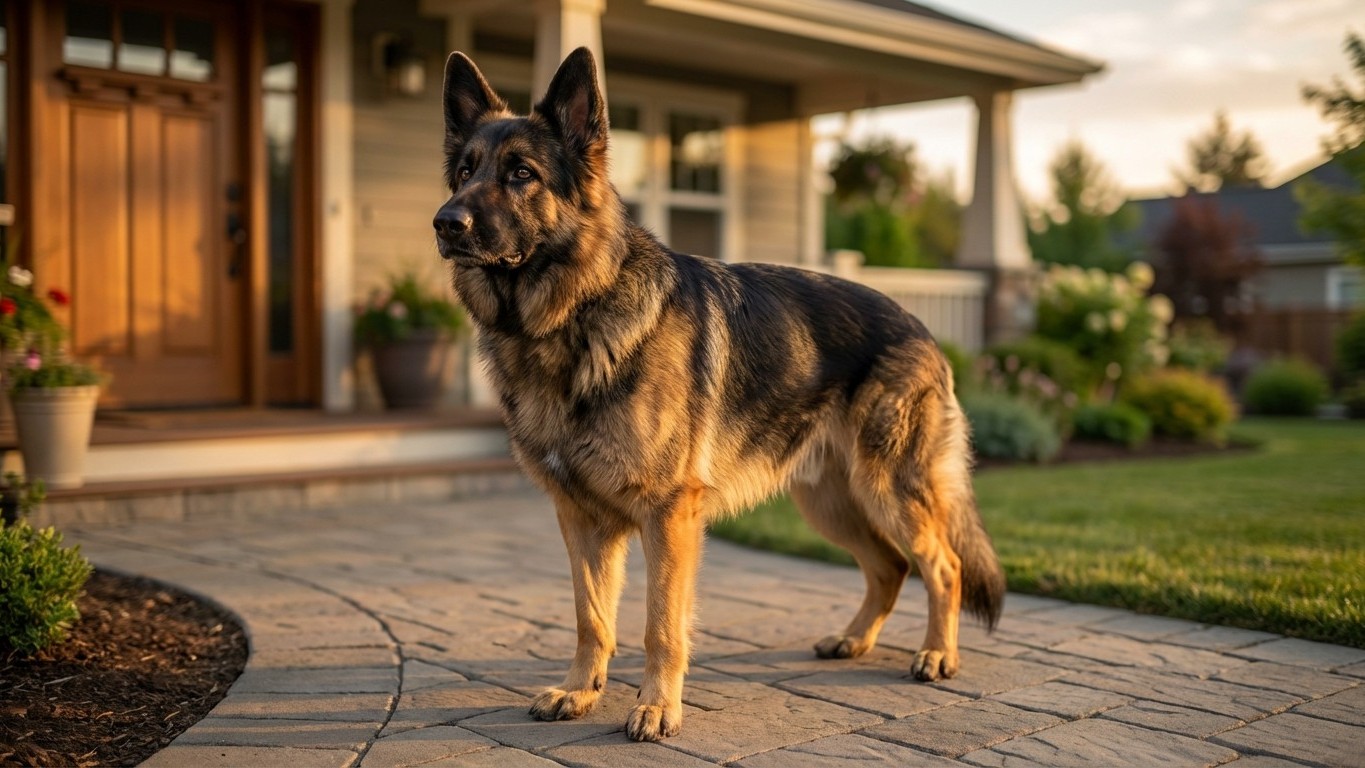
Some dogs warn you with a bark. Others place themselves physically between you and a threat without a moment’s hesitation. That difference, instinctive, calm, and deeply rooted in centuries of selective breeding, is what separates a true guard dog from a pet that simply makes noise when the postman arrives. If you’re considering a guard dog breed, you’re not just choosing a companion. You’re taking on a living security system that comes with its own temperament, legal status, and training demands.
This guide covers everything a responsible prospective owner needs to know, from breed profiles and socialisation to the legal obligations that apply the moment you bring one of these dogs home.
Understanding Guard Dog Breeds
The term “guard dog” gets thrown around loosely, which causes real confusion. A guard dog, at its core, is a dog bred or trained to protect territory, property, or people by deterring intruders, typically through its physical presence, alert barking, and readiness to act if a threat escalates. The key word is deter. A well-trained guard dog rarely needs to bite, because its presence alone is usually enough.
This is fundamentally different from a protection or defence dog, which is trained to neutralise a threat on command, and different again from an attack dog, a term generally reserved for military or specialist police dogs conditioned to bite as a primary response. Mixing up these categories leads to dangerous decisions: buying a Malinois expecting a family guardian when what you actually need is a steady Rottweiler is the kind of mismatch that ends in rehoming or worse.
The Main Guard Dog Breeds and How to Choose
The breeds most associated with guarding work share several traits: physical presence, territorial instinct, loyalty to their household, and a natural wariness of strangers. But within that broad profile, the differences matter enormously.
The Rottweiler is probably Britain’s most well-known guard dog. Calm, confident, and deeply loyal, a well-bred Rottweiler with proper socialisation is entirely manageable as a family dog. They tend to observe first, react second, which is exactly what you want. The German Shepherd offers similar qualities with greater versatility; it’s no accident they’re used across police forces worldwide. The Dobermann brings athleticism and intelligence but requires an owner genuinely committed to daily exercise and mental stimulation. Leave one understimulated and you’ll have problems that have nothing to do with guarding.
The Bullmastiff was originally bred specifically to guard English gamekeepers’ estates, which makes it the most purpose-built guard dog on this list. Physically imposing and surprisingly gentle with family members, it tends to block rather than bite. The Cane Corso, an Italian breed gaining popularity in the UK, is powerful and intelligent but absolutely not suitable for inexperienced owners. The Belgian Malinois deserves special mention: extremely capable, but the kind of dog that needs a job or it will invent one, usually involving your furniture or your neighbour’s cat.
Choosing by environment matters as much as choosing by breed. A large, energetic Malinois in a second-floor flat in Manchester is a recipe for a stressed dog and a stressed owner. A Bullmastiff, calmer by nature, can adapt better to smaller homes provided it gets daily walks. Cold, wet British weather suits most guarding breeds well, as many were developed in similar northern European climates. Households with young children should lean toward breeds with documented, stable temperaments and solid breeding lines, avoiding working-line specimens bred primarily for drive.
For a broader look at how guarding breeds sit alongside other working categories, the dog breeds guide is a useful starting point for understanding what lifestyle genuinely suits each type.
Legal Responsibilities and Insurance
This section makes some people’s eyes glaze over. It shouldn’t, because getting it wrong can cost you financially and, if a bite incident occurs, potentially criminally.
In England and Wales, the Dangerous Dogs Act 1991 prohibits ownership of four specific breeds (Pit Bull Terrier, Japanese Tosa, Dogo Argentino, and Fila Brasileiro) without exemption. Several guard dog breeds, while not banned, attract scrutiny from insurers, local authorities, and courts. If your Rottweiler bites a visitor, you are liable under the Animals Act 1971 regardless of whether the dog was provoked, unless very specific conditions apply.
All dogs in the UK must be microchipped by law, and it’s worth checking your home insurance policy carefully. Many standard household policies exclude dog bite liability or cap payouts at levels that don’t reflect the actual damages awarded in personal injury claims. A dedicated pet insurance policy that includes third-party liability cover is not optional when you own a guarding breed. It’s simply part of the cost of responsible ownership.
The Guard Dogs Act 1975 also places specific restrictions on using dogs to guard commercial premises without a handler present. If you’re considering a guard dog for business property, take proper legal advice before you act.
Socialisation: The Non-Negotiable Foundation
Here’s where many guard dog owners go wrong. There’s a persistent idea that socialising a guard dog too much will “ruin” its protective instincts. This is not only incorrect, it’s actively dangerous thinking. A poorly socialised guard dog doesn’t become a better protector. It becomes an unpredictable, reactive animal that is equally likely to bite the wrong person as the right one.
The window for socialisation in puppies runs roughly from three to fourteen weeks of age. During this period, a future guard dog needs structured, positive exposure to children, strangers, traffic, other animals, and varied environments. The goal is a dog that can accurately distinguish between a threat and a normal social interaction, not one that treats every new experience as a potential emergency.
Ongoing socialisation throughout adolescence is just as important. A Rottweiler that met plenty of strangers as a puppy but spent its first two years in a garden with minimal human contact will still develop problematic wariness. The work is continuous. Regular walks in public spaces, controlled meetings with other dogs, and exposure to normal human behaviour (cyclists, runners, children playing) all contribute to the settled, confident temperament that makes a guard dog genuinely safe to live with.
Managing protective instinct day-to-day means being consistent. A dog that is sometimes allowed to rush the gate and sometimes told off for it will struggle to understand the rules. Clear, calm boundaries, combined with positive reinforcement when the dog responds correctly, are far more effective than punitive methods that tend to increase anxiety and unpredictability in high-drive breeds.
Training: What’s Actually Required
Faut-il obligatoirement dresser un chien de garde avec un professionnel? Not obligatorily, but the honest answer for most people is: yes, you should. The breeds described in this guide are intelligent and capable of making independent decisions quickly. An owner who doesn’t fully understand canine behaviour, drive, and threshold management is at a real disadvantage.
That said, professional help doesn’t mean handing your dog over to a trainer and hoping for the best. The most effective approach is working alongside a qualified trainer, ideally one accredited by the British Institute of Professional Dog Trainers or with recognised credentials in behaviour work, who can coach you as much as the dog. You are the one who lives with the animal. You need to understand why the methods work, not just follow instructions.
The most common errors owners make are inconsistency (different rules from different family members), punishing fear responses (which worsens them), and allowing guarding behaviours they’ll later want to stop, like encouraging a puppy to bark at the gate because it’s cute, then expecting the adult dog to stop on command. Starting as you mean to go on is genuinely the best advice here.
For owners interested in how guarding breeds sit within the wider world of working dog training, there’s excellent context in the working dog breeds guide, which covers training demands across different working categories, and the working dog breeds guide exploring breeds by role and use.
Daily Life with a Guard Dog: The Real Picture
The security benefits of owning a guarding breed are genuine. Studies on deterrence consistently show that a visible, alert dog reduces opportunistic burglary risk, and the psychological comfort for people living alone or in isolated properties is real. Loyalty is another quality these breeds demonstrate with consistency; Rottweilers and Dobermanns in particular tend to form intense bonds with their families.
The constraints are equally real. These are large, powerful dogs that eat significantly more than smaller breeds and require veterinary care that can be expensive given their size. Many guarding breeds are prone to joint problems, and some lines carry health issues worth researching before buying. Exercise requirements vary but are generally substantial: a Dobermann needs vigorous daily exercise, a Bullmastiff less so, but none of these dogs do well with minimal activity.
Time is the resource most people underestimate. A guard dog that spends twelve hours alone is not a security asset. It’s a stressed animal developing behaviours that will create problems. These breeds need human interaction, structured activity, and mental engagement. Working from home or having someone present during the day makes a genuine difference to outcomes.
Guard Dogs Compared to Other Working Breeds
Where do guarding breeds sit relative to other categories? The distinction matters for matching dog to lifestyle. Herding breeds like Border Collies and German Shepherds (which crosses both categories) are built for collaboration and responsiveness, explored in detail in this herding dog breeds guide. They’re highly trainable but need mental stimulation that goes beyond what a guarding role alone provides.
Hunting breeds bring different drives entirely, gun dogs and scent hounds being motivated by prey rather than territory. Companion breeds, by contrast, typically lack the physical presence or territorial instinct to deter a determined intruder, regardless of how much they bark.
Guard dog breeds are genuinely suited to people who want an active, bonded relationship with a powerful dog, have the space and time to meet their needs, are willing to invest in proper training and socialisation, and understand the legal weight that comes with ownership. They are not suited to people seeking a low-maintenance deterrent, or to households unable to provide consistent structure and supervision.
Frequently Asked Questions
Which guard dog breeds are best for families?
Rottweilers and Bullmastiffs tend to be the most consistently cited family-compatible guard breeds, owing to their stable temperaments when well-bred and properly socialised. German Shepherds are also excellent with children when raised alongside them. The quality of breeding and the commitment to socialisation matter more than breed alone.
Can a guard dog live well with children?
Yes, many do. The determining factors are socialisation from puppyhood, clear household rules, and never leaving young children unsupervised with any large dog regardless of breed or training. A guard dog that has grown up with children typically treats them as part of its protected group, which reinforces rather than complicates the family dynamic.
What are the legal risks if my guard dog bites someone?
Under the Animals Act 1971, you are likely to be held liable for injuries caused by your dog biting someone, even if the victim was trespassing in some circumstances. You could face civil claims for damages, potential criminal charges under the Dangerous Dogs Act if the incident occurs in a public place, and the dog may be subject to a destruction order. Third-party liability insurance is the financial protection you should have in place before these situations arise, not after.
Owning a guard dog breed is one of the more rewarding things a committed dog owner can do. It asks a lot of you in return. Whether that exchange suits your life right now is worth thinking about honestly before you fall in love with a puppy photograph.