
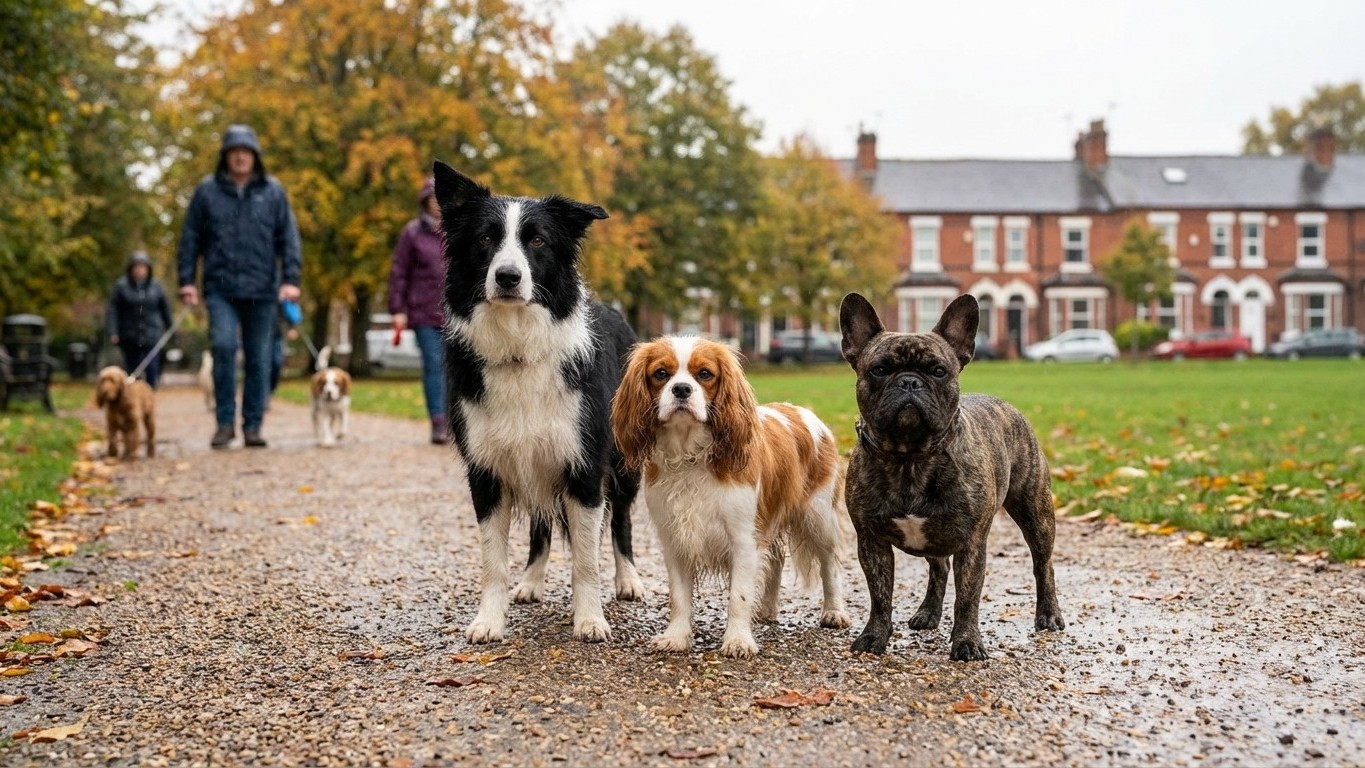
Choosing a dog breed in the UK is genuinely different from doing the same in France, Australia, or the United States. The British climate, housing stock, legal framework, and cultural relationship with dogs all combine to create a very specific set of conditions that any prospective owner needs to understand before falling in love with a breed on Instagram. Getting this right means a happier dog, a less stressed owner, and far fewer expensive surprises down the line.
What Makes the UK Context So Specific?
Cultural expectations and breed popularity
Britain has one of the most deeply embedded dog cultures in the world. The Kennel Club, founded in 1873, is the oldest national kennel club on the planet, and its influence on which breeds are recognised, registered, and championed in the UK is considerable. Breeds like the Labrador Retriever, French Bulldog, Golden Retriever, and Cocker Spaniel have consistently topped registration charts for years, partly because they fit the British image of a family companion, and partly because they suit the physical realities of British life. That cultural familiarity matters: a breed that is common in your area is also one where local vets will have more clinical experience, groomers will know how to handle the coat, and you will find breed-specific rescue organisations more easily.
There is also a distinctly British expectation around dogs in public spaces. Pubs, cafes, country parks, and beaches often welcome dogs in ways that would be unusual in many other European countries. That “pet friendly UK” culture does shape the ideal dog profile: a breed that socialises well with strangers, tolerates busy environments, and can settle calmly in a pub garden is a genuine practical asset here.
For a broader overview of which breeds are currently most sought after, the most popular dog breeds in the UK guide breaks down current trends and explains the reasoning behind their dominance.
Climate and the British landscape
The UK is famously damp. Mild temperatures dominate, but the persistent rain, grey skies, and mud that characterise autumn through spring are a real factor. Breeds with dense, water-resistant double coats (think Border Collies, Labradors, or Springer Spaniels) were often developed specifically for British or Northern European conditions, which is part of why they thrive here. Conversely, short-coated breeds or those with very low body fat can struggle on cold, wet winter walks, potentially needing coats and boots for outdoor exercise. A Whippet or Greyhound can handle a British winter, but they will need more kit than a Retriever will.
The landscape also varies enormously: dense urban terraces in Leeds or Liverpool, suburban semis with pocket-sized gardens, rolling Cotswold farmland, Scottish Highlands, coastal Norfolk. A breed suited to rural Wales is not automatically the right choice for a second-floor flat in Manchester. This is not a trivial consideration. It is probably the single most practical filter to apply first.
Legal framework and breed restrictions
This is where the UK diverges most sharply from other countries. The Dangerous Dogs Act 1991 prohibits the ownership of four specific breed types: the Pit Bull Terrier, Japanese Tosa, Dogo Argentino, and Fila Brasileiro. These are not breeds you can simply keep under strict conditions or with a licence. Ownership, breeding, selling, or even gifting these dogs is a criminal offence, and the legislation is enforced on the basis of physical characteristics rather than DNA, which creates legal complexity for dogs of mixed heritage that might visually resemble a prohibited type.
Beyond the prohibited breeds, there are additional rules around banned breeds entering the country and specific requirements under the Control of Dogs Order for microchipping (mandatory for all dogs in England, Scotland, and Wales since 2016). Anyone considering an imported breed or a rescue dog from abroad needs to be particularly careful. The full picture, including how assessments work and what the penalties are, is covered in detail in the UK dog breed restrictions guide (banned breeds).
Matching a Breed to Your British Lifestyle
Urban versus rural adaptability
City living with a dog in the UK is absolutely workable, but it requires honest self-assessment. If you live in a flat without outdoor space and rely entirely on local parks for exercise, a Border Collie or Dalmatian will make your life genuinely difficult. These are working breeds with high mental and physical demands that a 30-minute park visit twice a day simply will not meet. Smaller companion breeds (Cavalier King Charles Spaniels, French Bulldogs, Shih Tzus), or calmer larger breeds like Basset Hounds and Greyhounds, adapt to apartment living far more gracefully, provided they still get consistent daily walks.
Rural or semi-rural homes open the door to more energetic working breeds: Springer Spaniels, Border Collies, Hungarian Vizslas, and various terrier types all thrive with space and mental stimulation. The access to countryside footpaths and fields that many UK rural dwellers take for granted is genuinely excellent for these breeds.
Exercise needs and family compatibility
British families with children often gravitate toward the classic retriever types, and there is good reason for that. Golden and Labrador Retrievers have a well-documented tolerance for the chaos of family life, combined with a trainability that makes them manageable for first-time owners. Staffordshire Bull Terriers, despite their complicated public image, are consistently praised by rescue organisations and owners alike for their affection with children, and remain one of the UK’s most owned breeds.
Multi-pet households need to think about prey drive. A Beagle or a Lurcher living with rabbits or cats requires careful management. A rescue Greyhound (and the UK has thousands available through greyhound racing retirement schemes) can coexist with cats if properly assessed, but this needs to be verified individually before adoption.
Health costs and the realities of veterinary care
The cost of owning a dog in the UK has risen sharply in recent years, and the breed you choose directly affects your long-term financial commitment. Brachycephalic breeds (French Bulldogs, Pugs, Bulldogs) are currently at the centre of a significant welfare debate, and for good reason: they face a disproportionate burden of respiratory issues, skin fold infections, and birthing complications that translate into higher vet bills and, more pressingly, genuine suffering. The UK’s veterinary community has been vocal about the welfare implications of these breeds, and the British Veterinary Association has publicly recommended that prospective owners research the health issues thoroughly before buying. Always consult a vet when assessing whether a specific breed’s health profile suits your budget and circumstances.
Pet insurance is effectively standard practice in the UK, and premiums vary enormously by breed. A Great Dane or a Cavalier King Charles Spaniel (a breed predisposed to heart conditions) will attract higher premiums than a mixed-breed rescue dog. Factor this into your initial budget calculations, not as an afterthought.
Breed Profiles for Common British Lifestyles
For city dwellers in a flat or terraced house with limited garden space, the Cavalier King Charles Spaniel remains a genuinely good option: adaptable, affectionate, and content with moderate exercise. The French Bulldog fits this profile too, though the health caveats above apply. The Greyhound surprises many people: despite their athletic build, they are famously low-energy indoors and are often called the “45mph couch potato” by their admirers.
For active families in suburban or rural settings, the Labrador Retriever and Golden Retriever remain the benchmark for good reason. The Springer Spaniel suits active owners who want a dog that can genuinely keep up on long walks across British countryside. The Border Terrier offers a compact, hardy, and weatherproof option that punches well above its weight in terms of personality.
First-time owners would do well to look at breeds known for trainability and biddability: Labradors, Golden Retrievers, and Poodles (including Miniature and Standard sizes) all respond well to positive reinforcement training, which is the approach most UK training clubs and behaviour specialists advocate.
Questions Worth Asking Before You Commit
Before any adoption, honest answers to a few specific questions will save considerable heartache. How much outdoor space do you actually have, and how much time can you genuinely spend on exercise every day, including in January rain? Do you have children under five, elderly relatives, or other pets? Are you renting, and have you confirmed your tenancy agreement permits dogs? Can you comfortably afford pet insurance premiums, annual vaccinations, and potential emergency vet costs for your chosen breed? Are you buying from a Kennel Club registered breeder or a reputable rescue, and have you verified the seller’s credentials to avoid supporting puppy farms?
The UK has a well-developed rescue network, and organisations like Dogs Trust, the RSPCA, and many breed-specific rescue groups rehome thousands of dogs annually. Adoption is often a more sustainable and welfare-positive choice than buying a puppy, and adult rescue dogs frequently arrive already housetrained and assessed for compatibility with children or other pets.
Going Deeper
The specifics of British dog ownership are layered, and this guide is a starting point rather than an exhaustive manual. For a comprehensive overview of how individual breed characteristics compare across different categories, the dog breeds guide UK covers popular breeds, climate fit, and regulatory context in more detail. The wider dog breeds guide helps match breeds to lifestyle factors beyond the UK context, which is useful if you are considering a less common breed with international origins.
What is certain is that the UK is one of the better countries in the world in which to own a dog, provided you go in with your eyes open. The infrastructure is there, the culture is supportive, and the countryside is extraordinary. The dogs that thrive here tend to be the ones whose owners did their homework first. What kind of dog do you actually want to be walking through that mud at 7am in February?