
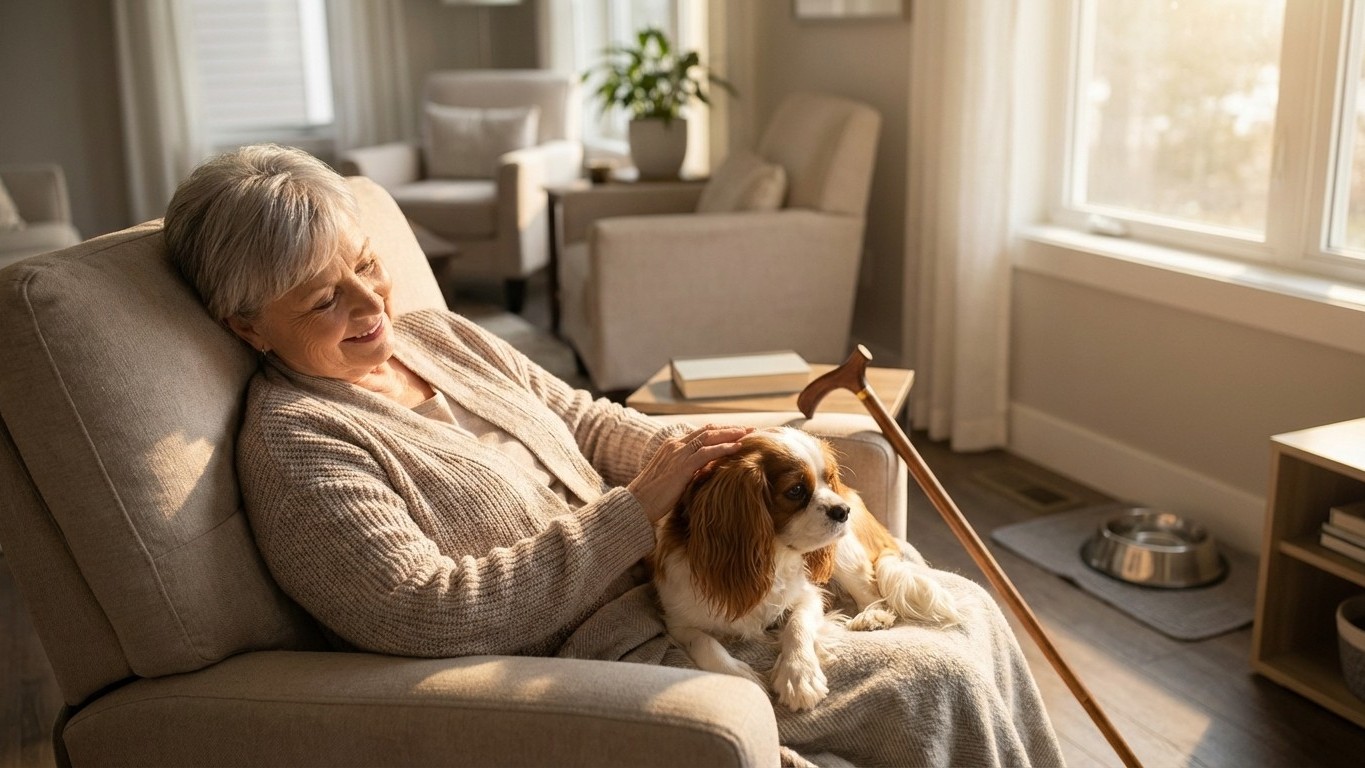
Retirement brings a quieter pace, more time at home, and often, a longing for companionship that only a dog can truly provide. The right canine companion can transform a senior’s daily routine, offering gentle structure, unconditional affection, and a reason to step outside each morning. The wrong match, however, can create stress, physical strain, and heartbreak for both human and animal. Choosing a breed suited to later life isn’t about settling for less, it’s about choosing wisely.
Why the Right Breed Makes All the Difference for Older Adults
Understanding What Seniors Actually Need From a Dog
Life in retirement looks different for everyone. Some seniors are active walkers who fancy a daily stroll through the park; others live in flats, manage chronic pain, or have reduced mobility. What most share is a preference for calm, predictability, and a companion who doesn’t demand constant high-energy engagement. A Siberian Husky or a Border Collie, wonderful dogs in the right context, can become genuinely exhausting for an older owner without the stamina or space to meet those breeds’ considerable needs.
Physical practicalities matter enormously too. A large, exuberant dog can pull an older person off balance on a wet pavement. A breed prone to costly hereditary conditions creates financial and emotional strain. And grooming requirements that seemed manageable at fifty can become burdensome at seventy-five. These aren’t reasons to avoid dog ownership altogether; they’re reasons to think carefully before falling in love with a breed at first sight.
The Genuine Health Benefits of Dog Ownership in Later Life
Research consistently shows that older adults with dogs have lower blood pressure, reduced cortisol levels, and measurably better mental health outcomes compared to those living without pets. The daily rhythm of feeding, walking, and caring for an animal creates structure that can be profoundly grounding, especially for those experiencing bereavement, loneliness, or the disorientation that retirement sometimes brings.
There’s also something quietly powerful about being needed. A dog doesn’t care about your pension or your aching knees; it simply wants you, consistently and completely. For seniors living alone, that bond can be lifesaving in the most literal sense. Studies from several European countries have linked pet ownership among older adults with reduced rates of depression and increased social interaction, as dogs become natural conversation-starters during walks or in waiting rooms.
What to Look for When Choosing a Breed as a Senior
Temperament: Why Calm Is Non-Negotiable
A settled, gentle temperament is the single most important trait for a senior’s companion dog. Breeds with naturally lower energy levels are far less likely to cause accidents through jumping or pulling, and they adapt more comfortably to quieter home environments. Low prey drive is worth prioritising too, a dog that lunges at squirrels or cyclists creates a genuine safety risk for an older owner.
Trainability matters alongside temperament. A dog that responds readily to gentle cues makes daily life smoother and safer. Some breeds are naturally attuned to their owner’s emotional state and pace, the Cavalier King Charles Spaniel is a classic example, adjusting its energy almost intuitively to whatever the household requires.
Ease of Care and Simple Routines
Grooming is where many owners underestimate the long-term commitment. A breed with a thick double coat, like a Chow Chow or a Rough Collie, requires significant brushing to prevent matting, and professional grooming costs add up quickly. Breeds with short, low-maintenance coats or predictable grooming schedules (a Bichon Frisé visits the groomer regularly but doesn’t moult across your sofa) tend to suit seniors better.
Exercise requirements should be honest, not aspirational. A dog needing two hours of vigorous daily exercise is not a realistic choice for someone managing arthritis or a heart condition, regardless of how much they love the breed. Short, regular walks, two to three gentle outings per day, combined with enrichment games indoors can satisfy many of the breeds best suited to senior life.
Health and Longevity: Choosing Robust Breeds
Flat-faced (brachycephalic) breeds like Bulldogs and Pugs come with a raft of well-documented health complications: breathing difficulties, eye problems, and expensive veterinary bills. For seniors on fixed incomes, this deserves serious consideration. Breeds with fewer inherited conditions and longer life expectancies tend to be a more practical and emotionally sustainable choice, losing a beloved dog after only eight years is genuinely hard at any age.
For guidance on the broader landscape of breed selection, the dog breeds guide offers an excellent framework for matching lifestyle to canine temperament across all life stages.
The Best Dog Breeds for Seniors: A Practical Overview
Small, Calm Breeds That Fit Flat or Cottage Life
The Cavalier King Charles Spaniel tops almost every expert’s list for senior companions, and for good reason. These dogs are gentle, affectionate, adaptable to limited exercise, and genuinely enjoy simply being near their owner. They do have some hereditary cardiac conditions that responsible breeders test for, so sourcing from a reputable breeder is non-negotiable, your vet can advise on what health checks to request.
The Bichon Frisé is another strong contender: hypoallergenic (producing less dander than many breeds), low-shedding, cheerful without being manic, and small enough to manage physically. Maltese Terriers share similar qualities and have a long lifespan for a small dog. The Shih Tzu, bred for centuries as a palace lapdog, is extraordinarily calm and content with minimal exercise, though its silky coat requires regular professional grooming.
For those open to slightly more character, the French Bulldog offers affectionate companionship and low exercise needs, though potential owners should be aware of the breed’s breathing and health complications before committing, and vet bills should be factored into any budget.
Medium Breeds and Lower-Energy Options Worth Considering
The Whippet surprises many people. Sleek, elegant, and often described as a “40mph couch potato,” Whippets are calm and gentle indoors, require only moderate daily exercise, and have minimal grooming needs. They bond deeply with their owners and are sensitive, quiet dogs, rarely excessive barkers.
An older Cocker Spaniel or a mature Labrador Retriever (adopted from a rescue rather than raised from puppyhood) can work beautifully for an active senior. Adult dogs of sporting breeds, past their boisterous youth, often settle into companionable, manageable dogs. If cats or other animals are already part of the household, the dog breeds guide good with cats helps identify breeds with the right temperament for peaceful cohabitation.
Hypoallergenic Breeds for Allergy-Conscious Seniors
Allergies become more pronounced for some people as they age, and a dog that triggers constant sneezing or skin reactions is hardly a companion worth having. No dog is truly hypoallergenic, but breeds that shed minimally and produce less dander are generally better tolerated. The Bichon Frisé, Miniature Schnauzer, Poodle (particularly the Miniature or Toy), and Maltese all fall into this category.
The Miniature Schnauzer deserves a particular mention, alert, loyal, and surprisingly adaptable to flat living despite its terrier heritage, this breed is often overlooked in senior-focused lists but makes a quietly excellent companion.
Building a Realistic Daily Routine With Your Dog
Exercise, Stimulation, and Managing Your Own Energy Levels
Two short walks a day, even fifteen minutes each, provide most small or low-energy breeds with sufficient physical activity. The social benefit for the owner is just as real: neighbourhoods become more familiar, faces become friendly, and the dog becomes a ready excuse to be outdoors even on days when motivation feels thin.
Mental stimulation deserves as much thought as physical exercise. Puzzle feeders, gentle nose-work games, and simple training sessions (old dogs really can learn new tricks) keep a dog’s mind engaged without exhausting either party. Five minutes of quiet training per day strengthens the bond and keeps a dog responsive without becoming a physical challenge.
Managing Canine Health as a Senior Owner
Regular vet check-ups matter for both dog and owner. Setting up a standing appointment every six to twelve months, depending on the dog’s age and health, keeps small problems from becoming large ones. Pet insurance is strongly worth considering, particularly for breeds with known hereditary conditions, as unexpected vet bills can be genuinely stressful on a fixed income. Always consult a vet before making any decisions about your dog’s health, diet, or medication.
Planning for Hospitalisation or Temporary Absence
This is the question many seniors privately worry about but rarely discuss openly: what happens to the dog if I’m unwell? Planning ahead is kind, both to yourself and to the animal. Trusted friends or family members who agree in advance to step in, a relationship with a reliable local dog sitter or boarding kennel, and ensuring your dog is well-socialised enough to be handled by others all reduce the anxiety around this scenario significantly. Some rescue organisations even run temporary fostering schemes specifically designed to help owners during health emergencies.
Making Adoption Work: Practical Steps Before and After
Puppy or Adult Dog? An Honest Answer for Seniors
The appeal of a puppy is understandable, they’re irresistible, and the idea of raising a dog from scratch has a certain romance. But puppies are genuinely hard work: broken nights, unpredictable behaviour, chewing, housetraining accidents, and months of intensive socialisation. For most seniors, an adult dog between two and five years old is a far more practical choice. Their personality is established, they’re usually already house-trained, and the intensity of the early months is entirely bypassed.
Rescue organisations often have wonderful adult dogs that have been thoroughly assessed for temperament. Breed-specific rescues in particular can match you with a dog whose character, energy level, and quirks are already well understood. The best dog breeds guide for families with children also covers senior-appropriate considerations when a household includes multiple generations.
Adapting Your Home for a Dog in Later Life
Small practical changes make a real difference. Non-slip mats on hard floors protect both dog and owner. A dog bed positioned away from draughts but close to a favourite chair allows for comfortable proximity without tripping hazards. Food and water bowls at a height appropriate for the dog’s size prevent unnecessary bending. If stairs are a concern, a ramp or steps help small dogs access furniture safely without being lifted repeatedly.
For senior owners who already live with cats, the transition can be made smoother with the right breed choice and careful introduction, the dog breeds guide good with cats walks through the process step by step.
Finding Support and Moving Forward
The decision to welcome a dog in later life is one of the most generous things a person can do, for themselves and for the animal. Dogs rehomed to settled, quiet households with attentive owners often thrive in ways they never could in busier environments. The affection is mutual, the routine is stabilising, and the companionship is real in a way that a television or a telephone simply cannot replicate.
For those still weighing up breed options across different lifestyle factors, the best dog breeds guide for families with children and the broader dog breeds guide offer detailed, structured breakdowns of what each breed truly requires, and what it gives back. The right dog, at the right stage of life, is one of the most uncomplicated sources of happiness going. It’s worth taking the time to find them properly.