
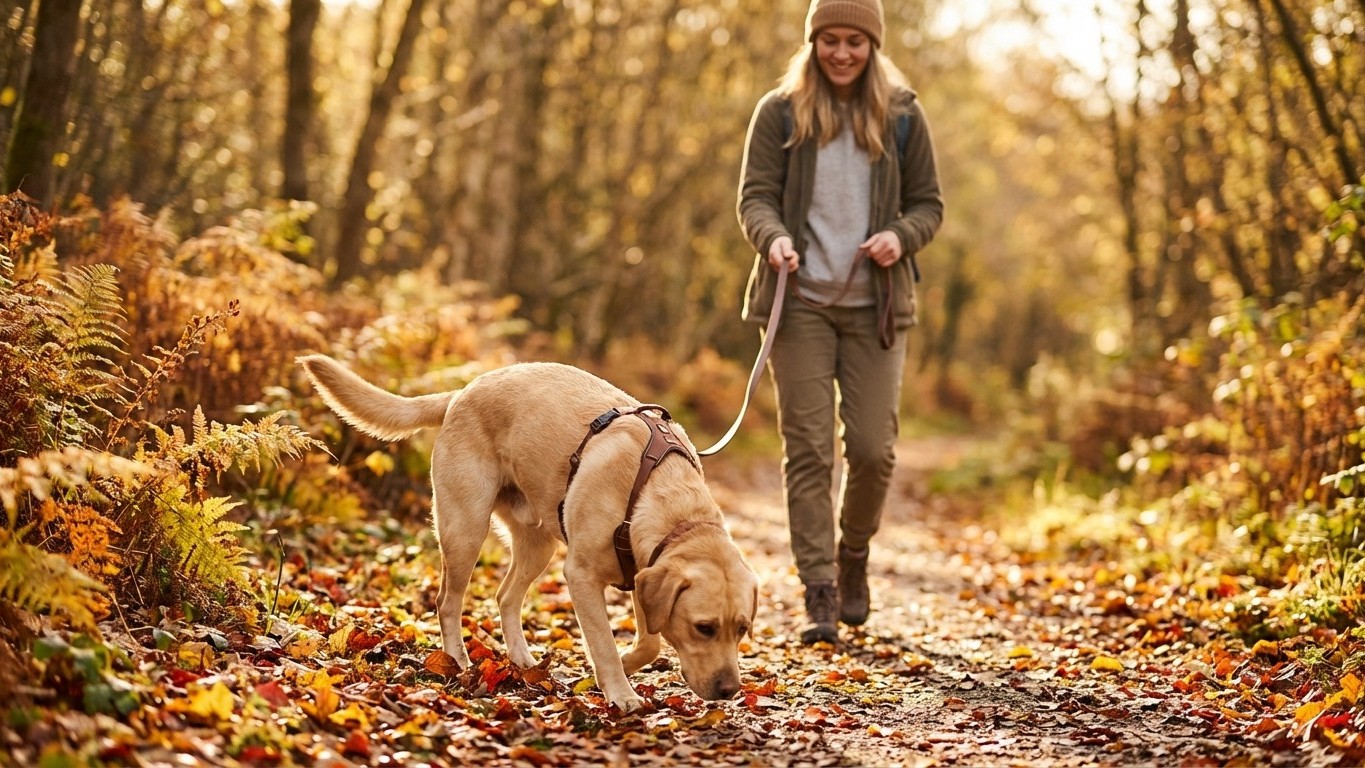
Confession time: for years, I’d tramped the same park path, every morning and evening, leash wrapped around my hand, convinced I was doing right by my Labrador, Murphy. Routine, check. Exercise, check. Healthy, happy dog? Not quite as much as I thought. It was only last winter, huddled with a mug of tea and a pile of books on canine wellbeing, that something jumped out at me, physical exercise is just one small piece of the happiness puzzle for our pets. Was I missing something that my dog really needed?
Key takeaways
- Daily walks alone might secretly stress your dog without you realizing it.
- Subtle behaviors like restless pacing or excessive licking signal unmet emotional needs.
- Mental stimulation and scent games can calm and enrich your dog’s wellbeing.
One Size Doesn’t Fit All: What Your Dog Actually Needs
Dogs love a good walk, there’s no arguing with that. But did you know that daily strolls, even the briskest ones, often leave a dog’s emotional and intellectual needs flapping in the wind? While Murphy clocked up the miles, I’d missed the subtle signals: incessant tail chasing, yawning even after a run, fussing for attention the moment we got home. Signs he craved more than physical movement. Dogs, descendants of hunters and foragers, have brains wired for problem-solving and sensory adventure, sniffing lampposts endlessly is the canine equivalent of scrolling social media, not proper enrichment.
I’m not alone. Surveys in the UK show that nearly half of dog owners believe a walk is the main requirement to keep a pet happy. The Kennel Club and behaviourists have stressed for years that mental stimulation is as important as walkies. Some breeds, especially working dogs, collies, spaniels, retrievers, have a spectacular intensity, almost like little athletes trapped in our day-to-day routines. Yet even the most laid-back pug would prefer a puzzle toy over hours of sofa snoozing once basic exercise needs are met.
Cues You Might Be Missing: Subtle Signs of Canine Stress
It’s far easier to spot a bored toddler than a bored border collie. Canine stress hides in plain sight. In Murphy’s case, it appeared as restless pacing at dusk, licking his paws late at night, and interrupting Zoom calls with mournful sighs and sock-stealing missions. For some dogs, stress might look like barking at shadows, fussing with their beds, or even dozing more than you’d expect. These micro-habits, easy to dismiss as quirks, actually tell us something’s not quite right in their world.
Research into canine behaviour over the past decade revealed that under-stimulated dogs are more likely to develop repetitive behaviours, often mislabelled as “naughtiness.” In truth, they’re desperate for novelty. Imagine being stuck on the same crossword puzzle, every day, for months. You’d chew a slipper, too.
Making a Real Difference: Enrichment Beyond the Lead
Determined to fix Murphy’s subtle stress, I started small. First, I swapped speed walking for “sniffari” sessions. These are unhurried walks where I let Murphy lead the way, nose glued to the ground, choosing the route and rhythm. Giving a dog agency in their walk, even if just along the hedgerows, transforms the experience. It’s akin to letting a child pick the playground game instead of marching them to the swings every single time.
Then I introduced daily scent games at home. Hiding bits of kibble round the living room, rolling treats in towels, tossing a handful out into the garden grass for a proper foraging session. The change was immediate: Murphy’s post-walk restlessness faded. He settled down quietly after engaging his nose and brain, not because he was exhausted, but because he was satisfied.
Some days, a cardboard box and a handful of dry biscuits turned into an hour’s entertainment, paws scrabbling and tail going like a metronome. A neighbour, inspired by our transformation, built a sandpit so her terriers could dig and search for toys. The result? Calmer dogs, cleaner carpets, much happier humans.
It’s not just about play. Training (using positive reinforcement, please) counts as mental exercise, five minutes of learning a trick can stretch a dog’s mind more than twenty minutes jogging round the block. For scent-driven breeds, “nosework” classes have popped up around the UK, offering safe spaces for dogs to put their natural talents to the test searching for hidden scents in boxes or scattered around rooms. And here’s a lovely bonus: studies show that this kind of problem-solving gives dogs a stronger sense of control and wellbeing, reducing the stress hormone, cortisol.
Why Walks Alone Can Lead Us Astray
It turns out, relying solely on daily walks is a bit like feeding your dog the same meal, every day, for years. Sure, it’s adequate, but it doesn’t nourish the senses or feed the spirit. We pride ourselves on giving our dogs time outside, but if the routine never changes, walks become monotonous chores for both human and hound. Adding variety, new routes, different parks, walks with doggy friends, even changing the time of day—can work wonders.
Still, not every dog wants or needs a marathon adventure. Elderly pets, those recovering from illness, or anxious rescue dogs might find walks stressful. For them, enrichment inside the home becomes even more important. Lick mats, gentle massage, puzzle feeders, these gentle activities can soothe nerves as well as stimulate the mind.
Of course, if you notice persistent signs of anxiety, constant pacing, withdrawal, changes in appetite or sleep, or anything that feels off—always consult your vet to rule out underlying medical issues. What looks like boredom may actually be pain or discomfort, especially in older dogs, so don’t try to puzzle it out alone.
Looking back, I realise walks were just the first step in helping Murphy thrive. True wellbeing is more than traffic round the park; it’s letting our dogs live out their natural behaviours, offering them challenges and choices, celebrating every nose twitch and tail thump as a sign of doggy contentment. Imagine if, tomorrow, we thought less about crossing walkies off the to-do list and more about what would really spark joy for our four-legged companions. What unique adventure might your dog crave today?